- 1
- BLACKL
- TABLETAPPLE iPad Mini 8NEW iPad A16(2025) iPad 10.9" 10th (2022) iPad 10.2" (7th/8th/9th) iPad Air 13" (M2/M3/M4)(2024/2025/2026)NEW iPad Air 11" (M2/M3/M4)(2024/2025/2026)NEW iPad Mini 8.3" (A7 Pro/6th Gen) iPad Pro13"(M4/M5)(2024/2025) iPad Pro11"(M4/M5)(2026) iPad 9.7" (5th/6th Gen) iPad Pro 12.9"(2018-2022) iPad Pro 11"(2018-2022) iPad 9.7"(2th/3th/4th) iPad Air 10.9"(4th/5th Gen) iPad Mini 7.9"(4th/5th Gen)SAMSUNG Galaxy Tab A11 Galaxy Tab A11 Plus Galaxy Tab S11 Galaxy Tab S12 PlusNEW Galaxy Tab S12 UltraNEW Galaxy Tab A9+ Galaxy Tab A9 Galaxy Tab A8 Galaxy Tab A7 Galaxy Tab A7 Lite Galaxy Tab S11 Ultra/S10 Ultra/S9 Ultra/S8 Ultra Galaxy Tab S10+/S9+/S9 FE+ Galaxy Tab S10Lite/S10 FE/S9 FE/S9 Galaxy Tab S8+/S7+/S7 FE Galaxy Tab S8/S7 Galaxy Tab S6 lite Galaxy Tab A10.1 Galaxy Tab A8.4 Galaxy Tab A8.0 Galaxy Tab S10 FE+LENOVO iDea tab 11/Tab K11 Gen 2 /Xiaoxin Pad 11 2025 Lenovo Tab K9 (Tab One) 2025 Lenovo Tab M10 10.1"(2025) Lenovo Tab M10 Plus 10.6" (3rd Gen) Lenovo Tab M10 HD 10.1" (3rd Gen) Lenovo K10/M10 Plus 10.3" (2nd Gen) Lenovo Tab M10 HD 10.1" (2nd Gen)XIAOMI Redmi Pad 2 9.7 InchNEW Xiaomi Pad8/8Pro 11.2" Redmi Pad2/Pad2.4G Xiaomi Pad 6/6 Pro 11" Redmi Pad 10.61" Redmi Pad Se 11" Redmi pad Se 4G 8.7" Xiaomi Pad7/7 Pro 11.2" Redmi Pad Pro/Xiaomi Poco Pad/Redmi Pad2 Pro 12.1HUAWEI Huawei Matepad Se 10.4" Huawei Matepad 11" Huawei Matepad 11.5" Huawei Matepad SE 11" Huawei Matepad T8 8" Huawei Matepad T10 9.7"
- CATEGORIES

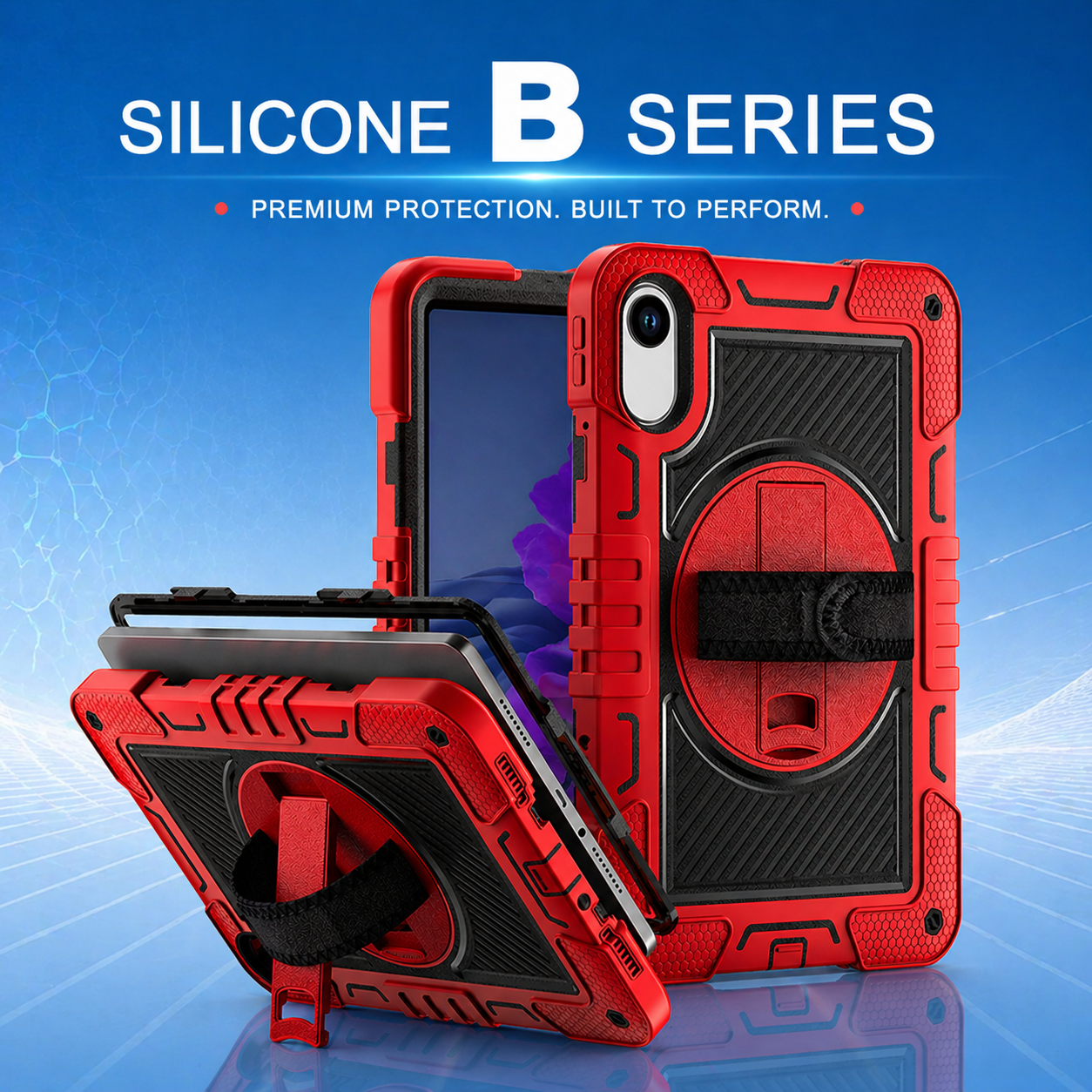

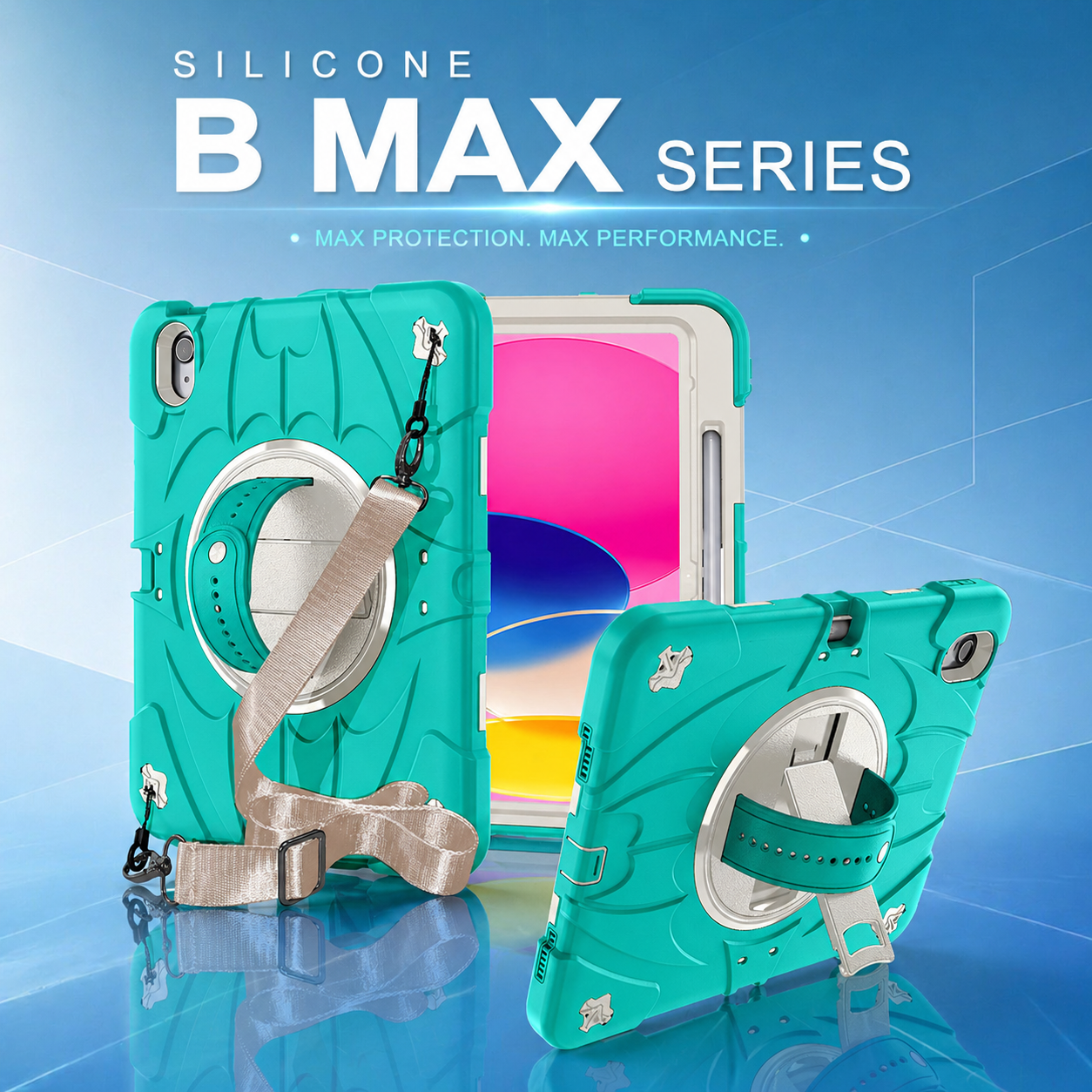
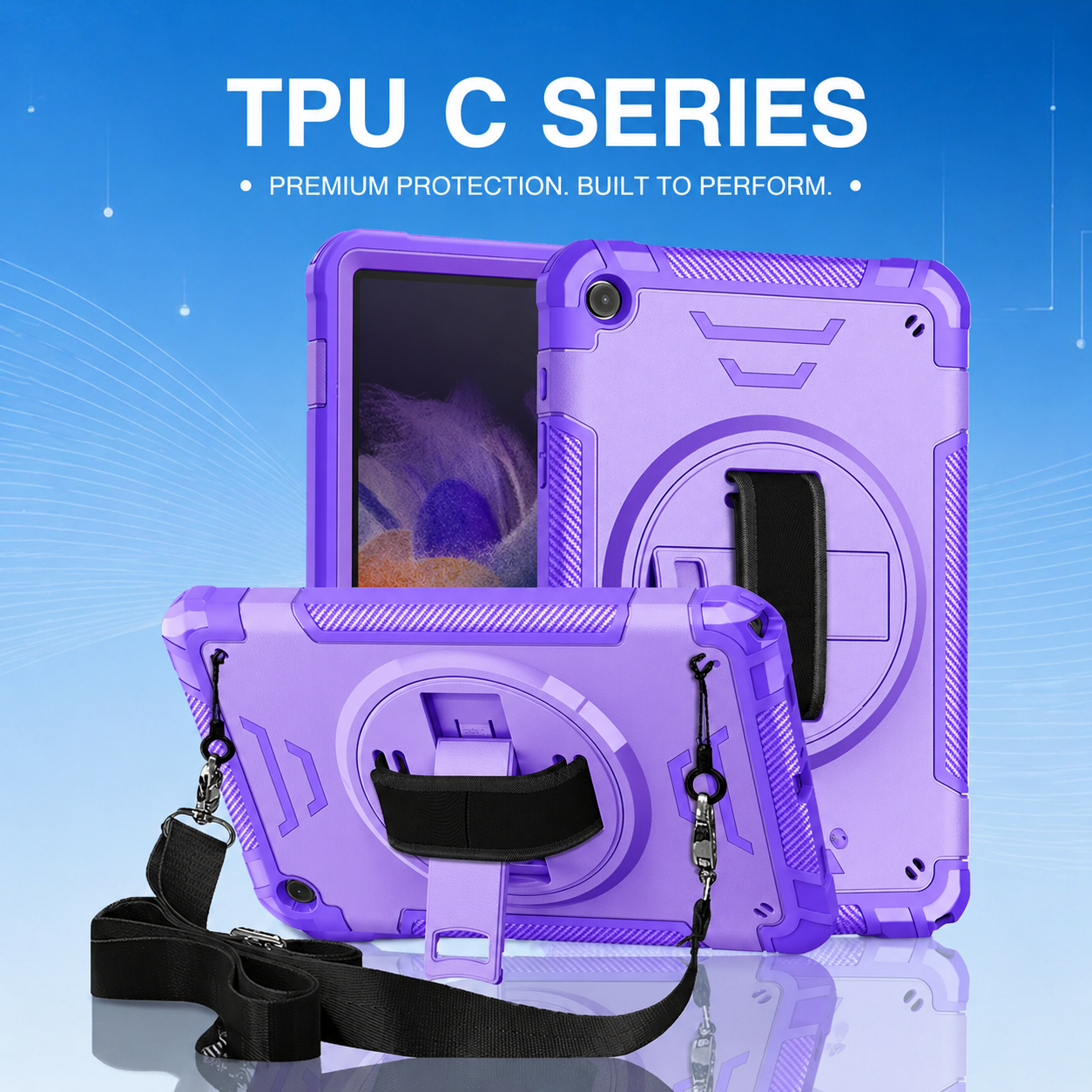

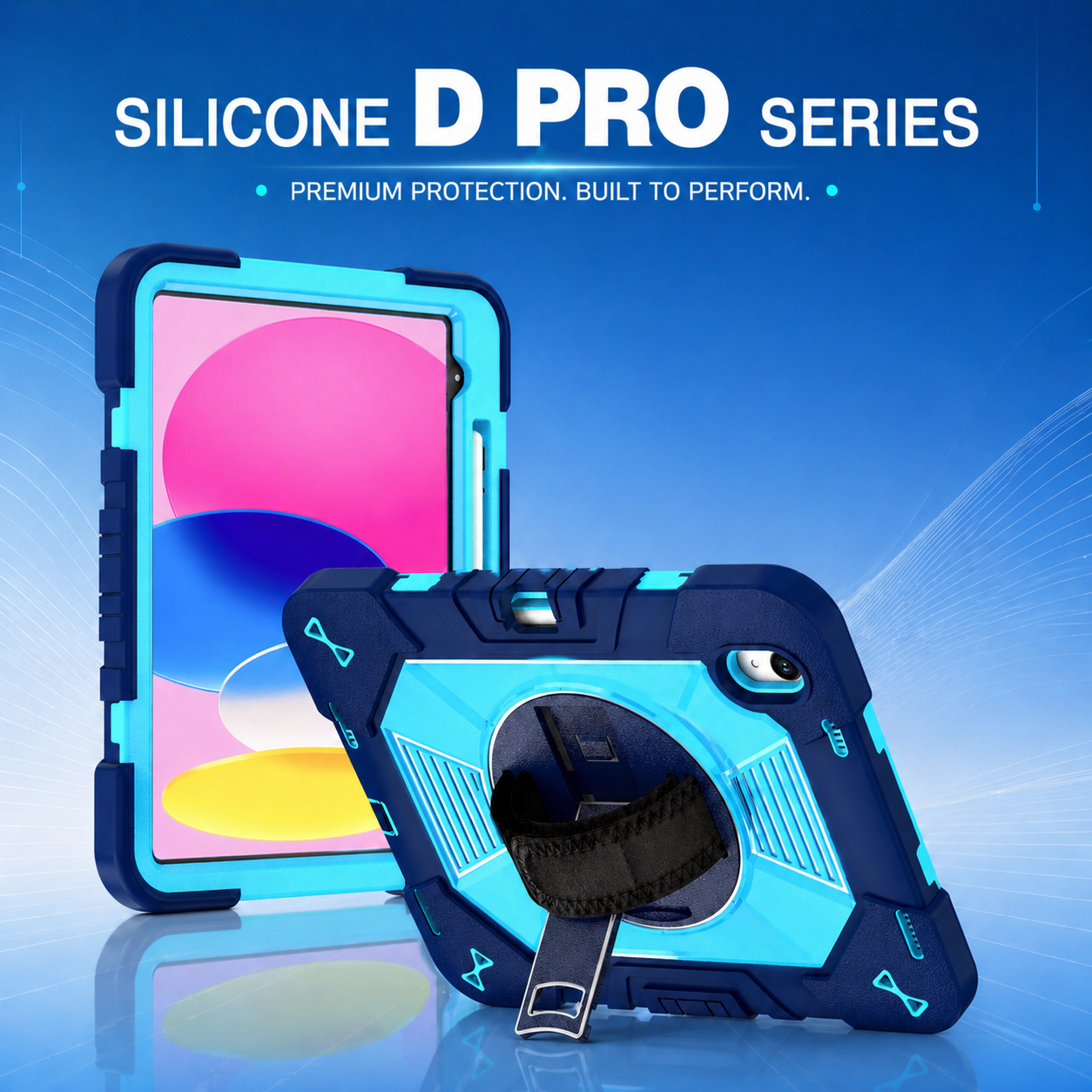


Material Verification: The First Line of Defense in Tablet Case Durability
A protective case can only perform as well as the materials used to make it. Drawings may be accurate and tooling may be precise, but inconsistent resin, incorrect hardness, poor curing, or uncontrolled recycled content can weaken the finished product. For this reason, strong factories treat material verification as an engineering process rather than a warehouse formality. They define approved grades, inspect each incoming lot, confirm processing behavior, and preserve traceability from raw material to packed order.
1. Translating Use Conditions into Material Requirements
The selection process begins with the product’s environment. A case used in a classroom faces repeated drops, cleaning, and rough handling. A unit used in a warehouse may contact concrete, dust, gloves, carts, and temperature changes. A product used by mobile technicians may need outdoor grip, chemical resistance, and stable performance after months of daily use.
Engineers translate these conditions into measurable requirements such as hardness, impact resistance, tensile strength, elongation, tear strength, heat resistance, UV stability, and chemical compatibility. This turns a vague request for “durability” into a technical target that can be verified before mass production.
2. Controlling Multi-Material Structures
A PC+Silicone tablet case combines materials with different jobs. The rigid component maintains shape, supports clips, and distributes force. The soft component improves grip, absorbs impact, and protects contact surfaces. The design succeeds only when both materials meet their specifications and fit together within tolerance.
Factories should control the exact resin grade, additive package, hardness range, color formula, and supplier source. Substituting a visually similar material can change shrinkage, flexibility, bonding, or aging behavior. Approved material lists and change-control procedures prevent unauthorized substitutions during busy production periods or supply shortages.
3. Incoming Inspection of Every Material Lot
When material arrives, warehouse staff first verify supplier documents, lot numbers, labels, quantities, and packaging condition. Quality technicians then sample the lot according to the inspection plan. Depending on the material, checks may include color comparison, hardness measurement, moisture level, density, melt flow, odor, contamination, or basic mechanical tests.
These checks are especially important when color consistency matters. The same nominal color can shift between batches because of pigment concentration, base resin, processing temperature, or surface texture. A controlled factory uses approved color standards and defined lighting rather than relying on memory or phone photos.
4. Drying, Storage, and Handling Discipline
Correct material can still fail if it is stored or prepared incorrectly. Some resins absorb moisture from the air, which may cause bubbles, silver streaks, brittleness, or unstable dimensions during molding. Factories therefore specify storage conditions, drying temperature, drying time, and maximum exposure before use.
Material containers should be sealed, clearly labeled, and separated by grade and color. Regrind use must be defined and controlled. Tools, hoppers, and mixers should be cleaned between color changes to avoid contamination. These practices are simple, but they strongly influence cosmetic quality and long-term performance.
5. Trial Molding and Process Compatibility
Material approval is not complete until the resin is tested in the intended tool and process. Trial molding shows whether the material fills thin sections, reproduces texture, releases cleanly, maintains dimensions, and bonds or assembles correctly with other components. Engineers compare the trial parts with drawings and functional requirements.
This stage connects #ProductDevelopment with factory reality. A material that performs well in a laboratory data sheet may behave differently in a complex molded geometry. Trial results can lead to changes in gate position, wall thickness, rib design, draft angle, cooling, or molding parameters before the product reaches mass production.
6. Mechanical and Environmental Validation
Material samples and completed cases should undergo relevant mechanical tests. These may include tensile testing, tear testing, repeated flexing, abrasion, compression, impact, and aging. Environmental checks can expose samples to heat, cold, humidity, ultraviolet light, cleaning agents, or skin oils. The goal is to identify changes in hardness, color, odor, flexibility, cracking, or fit.
Good validation uses defined sample quantities and pass criteria. A single successful drop does not prove reliable performance. Multiple samples, repeated cycles, and documented results provide a stronger basis for approval and make later batch comparisons possible.
7. Traceability and Change Management
Each production order should connect finished goods to material supplier, grade, lot number, molding machine, date, and inspection record. If a customer reports a problem, traceability helps the factory isolate affected goods and investigate quickly. Without it, the entire shipment may be treated as suspect.
Formal change management is equally important. When a supplier, resin grade, colorant, or mixing ratio changes, the factory should review the risk, make trial parts, repeat critical tests, and obtain approval where required. #HardwareInnovation should improve performance without introducing uncontrolled variation.
8. What Buyers Can Ask to See
Buyers can request material data sheets, declarations, incoming inspection standards, lot traceability examples, trial reports, and aging-test results. They can also ask how the factory controls regrind, substitutions, drying, and material changes. Clear answers demonstrate that material quality is managed as part of the production system.
Durability begins long before final assembly. By selecting materials against real-use conditions, inspecting incoming lots, controlling storage and preparation, validating molded performance, and preserving traceability, a factory creates a stable foundation for reliable protective products. That foundation reduces defects, supports consistent orders, and protects the buyer’s brand in the market.






.png)
+86 13422271740
.png)
info@tongmeitech.com
.png)
No. 34, Mashe Section, Guihe Road, Lishui Town, Foshan, Guangdong, China