- 1
- BLACKL
- TABLETAPPLE iPad Mini 8NEW iPad A16(2025) iPad 10.9" 10th (2022) iPad 10.2" (7th/8th/9th) iPad Air 13" (M2/M3/M4)(2024/2025/2026)NEW iPad Air 11" (M2/M3/M4)(2024/2025/2026)NEW iPad Mini 8.3" (A7 Pro/6th Gen) iPad Pro13"(M4/M5)(2024/2025) iPad Pro11"(M4/M5)(2026) iPad 9.7" (5th/6th Gen) iPad Pro 12.9"(2018-2022) iPad Pro 11"(2018-2022) iPad 9.7"(2th/3th/4th) iPad Air 10.9"(4th/5th Gen) iPad Mini 7.9"(4th/5th Gen)SAMSUNG Galaxy Tab A11 Galaxy Tab A11 Plus Galaxy Tab S11 Galaxy Tab S12 PlusNEW Galaxy Tab S12 UltraNEW Galaxy Tab A9+ Galaxy Tab A9 Galaxy Tab A8 Galaxy Tab A7 Galaxy Tab A7 Lite Galaxy Tab S11 Ultra/S10 Ultra/S9 Ultra/S8 Ultra Galaxy Tab S10+/S9+/S9 FE+ Galaxy Tab S10Lite/S10 FE/S9 FE/S9 Galaxy Tab S8+/S7+/S7 FE Galaxy Tab S8/S7 Galaxy Tab S6 lite Galaxy Tab A10.1 Galaxy Tab A8.4 Galaxy Tab A8.0 Galaxy Tab S10 FE+LENOVO iDea tab 11/Tab K11 Gen 2 /Xiaoxin Pad 11 2025 Lenovo Tab K9 (Tab One) 2025 Lenovo Tab M10 10.1"(2025) Lenovo Tab M10 Plus 10.6" (3rd Gen) Lenovo Tab M10 HD 10.1" (3rd Gen) Lenovo K10/M10 Plus 10.3" (2nd Gen) Lenovo Tab M10 HD 10.1" (2nd Gen)XIAOMI Redmi Pad 2 9.7 InchNEW Xiaomi Pad8/8Pro 11.2" Redmi Pad2/Pad2.4G Xiaomi Pad 6/6 Pro 11" Redmi Pad 10.61" Redmi Pad Se 11" Redmi pad Se 4G 8.7" Xiaomi Pad7/7 Pro 11.2" Redmi Pad Pro/Xiaomi Poco Pad/Redmi Pad2 Pro 12.1HUAWEI Huawei Matepad Se 10.4" Huawei Matepad 11" Huawei Matepad 11.5" Huawei Matepad SE 11" Huawei Matepad T8 8" Huawei Matepad T10 9.7"
- CATEGORIES
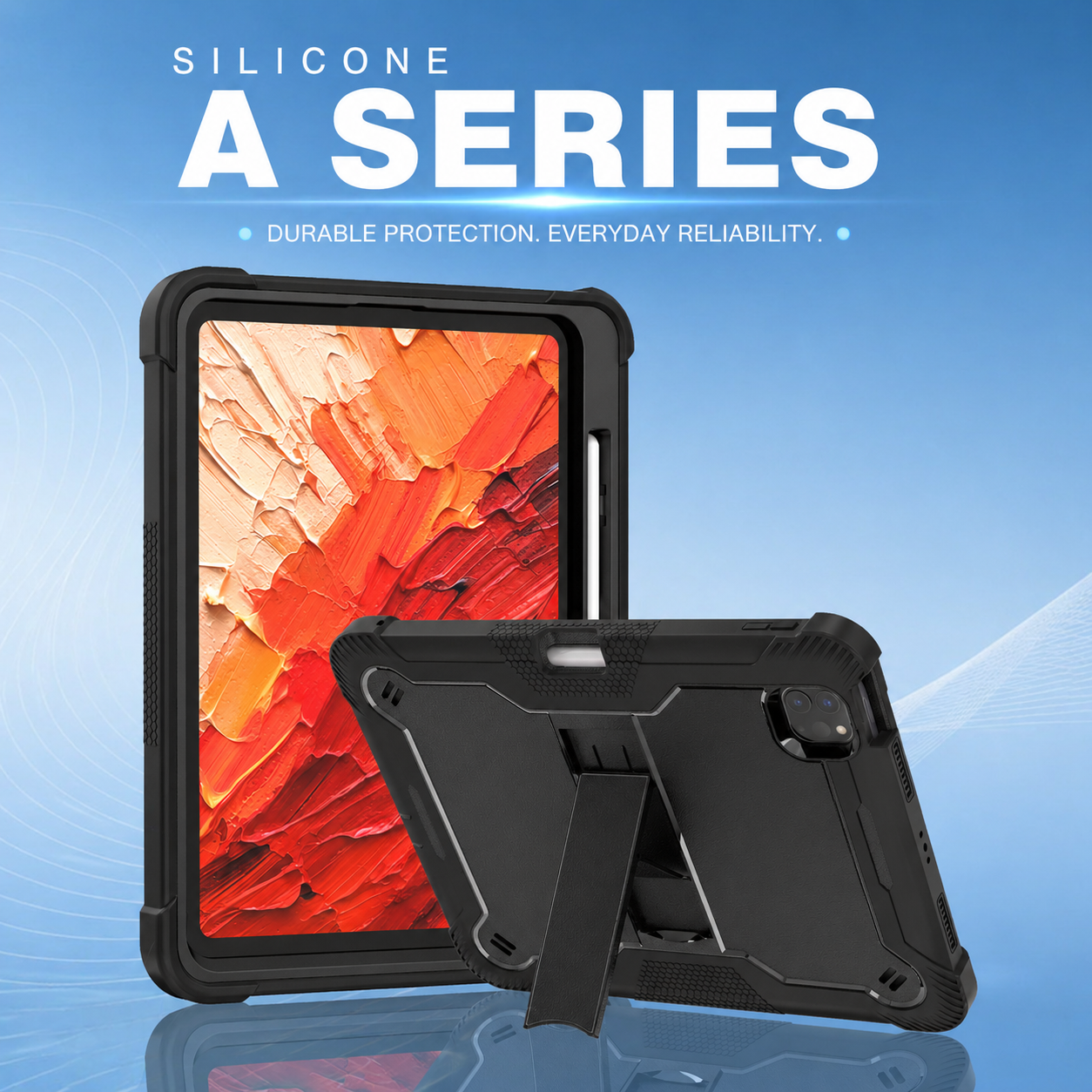
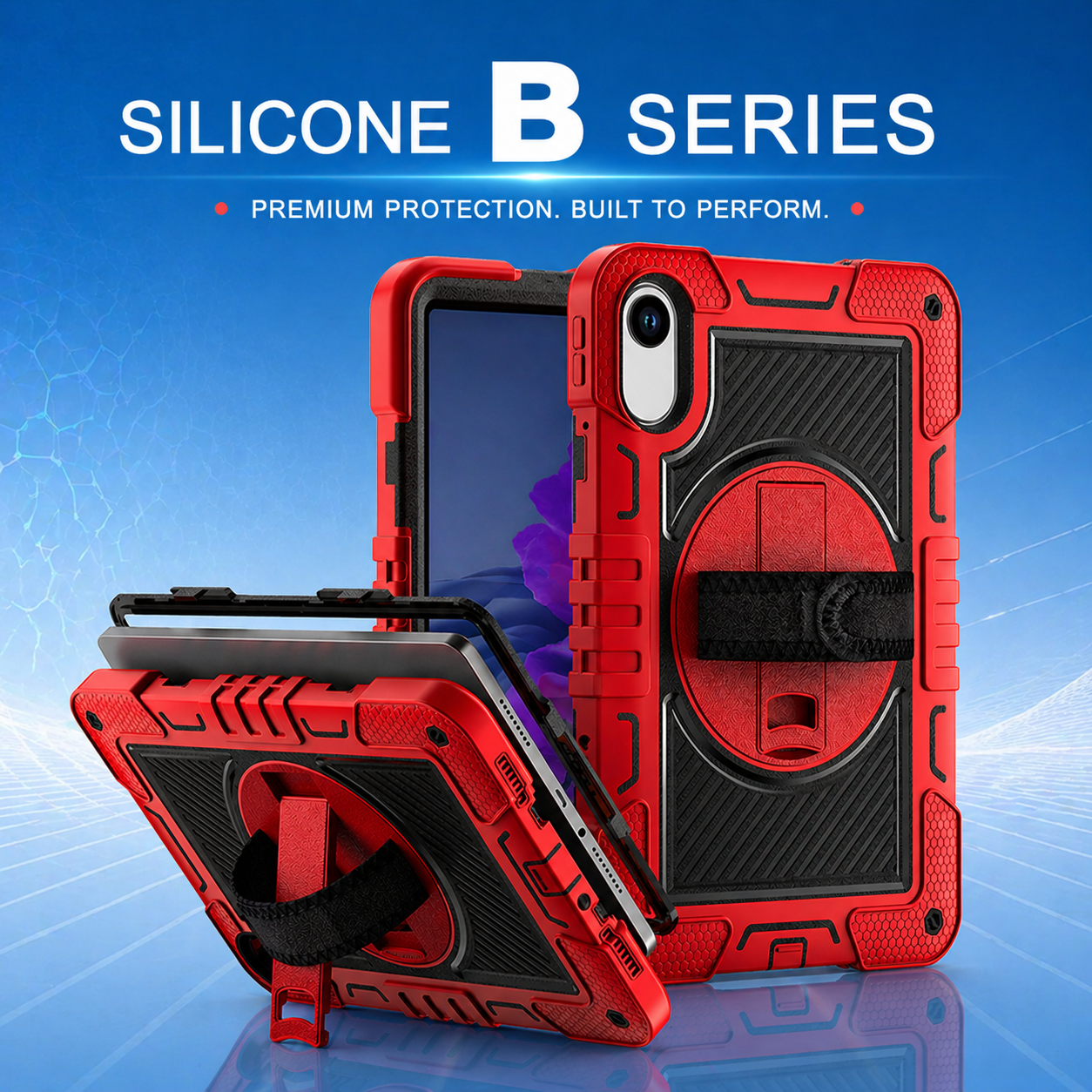


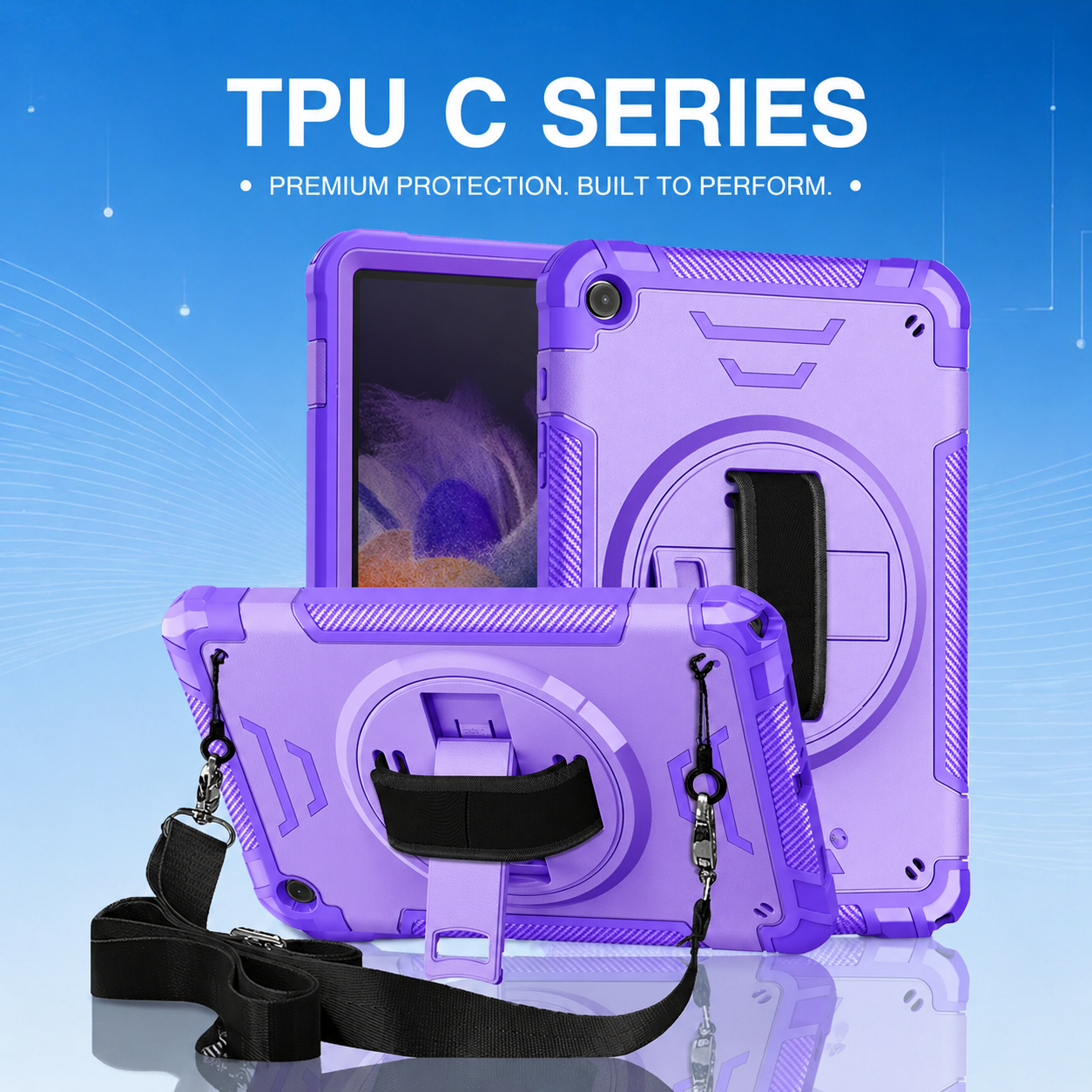
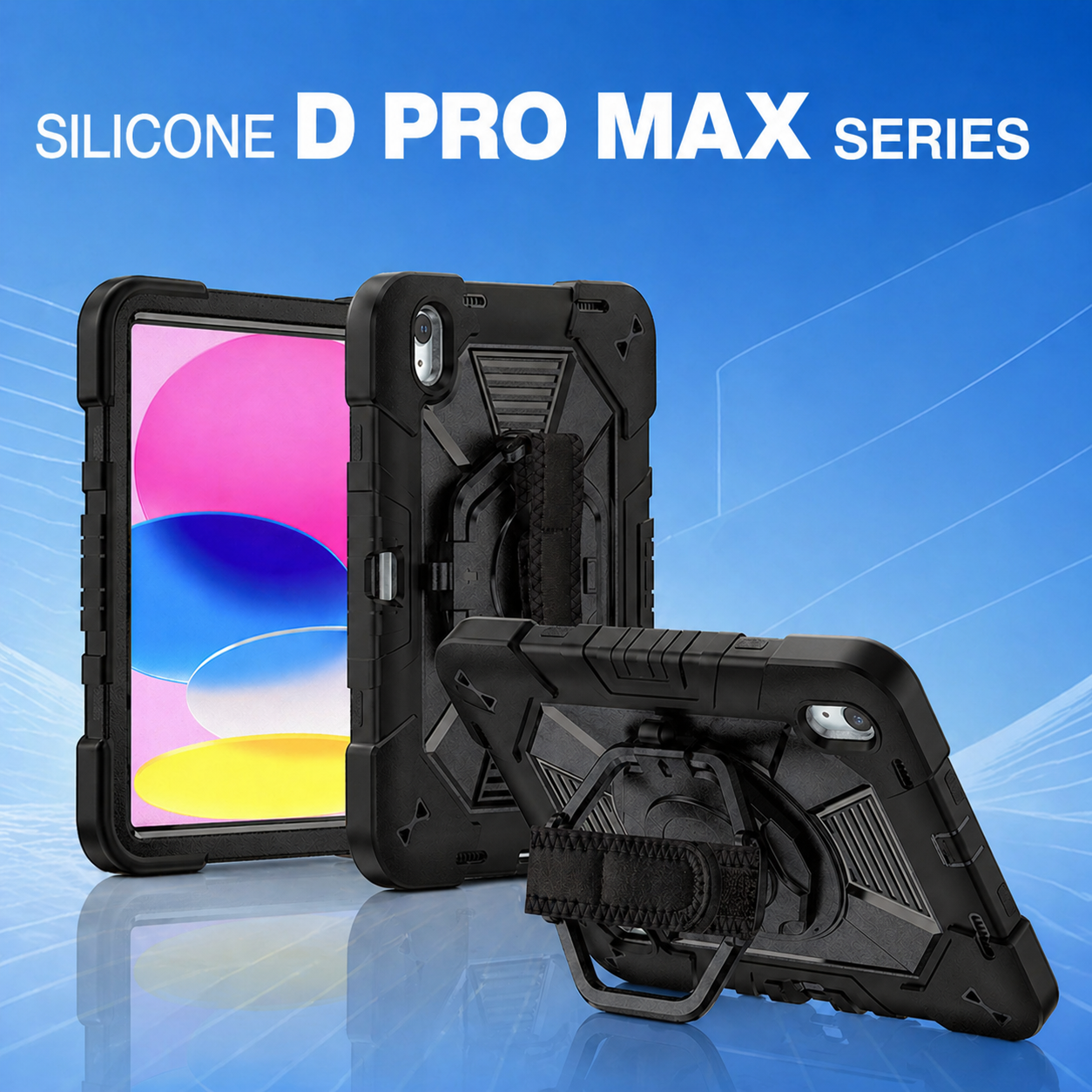
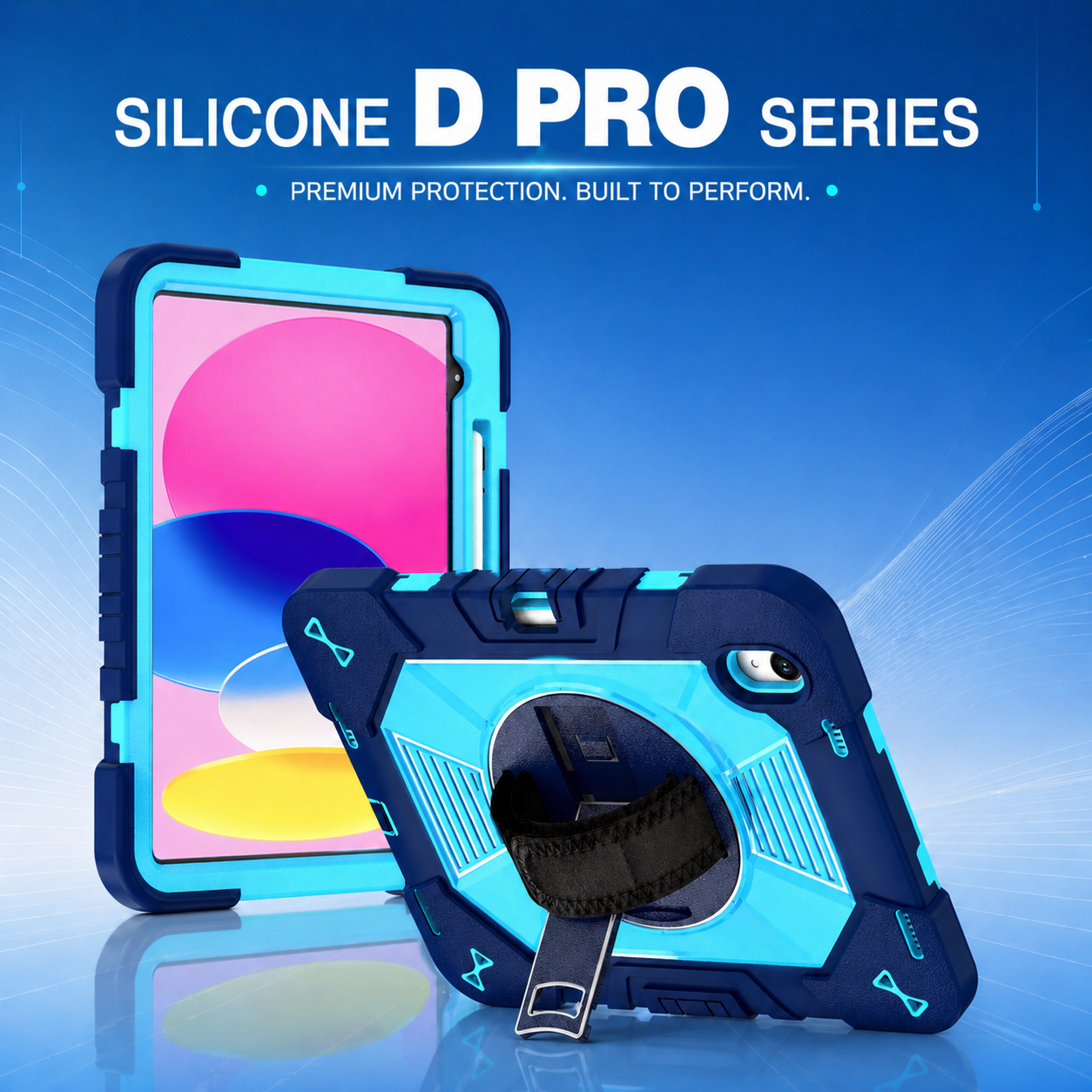
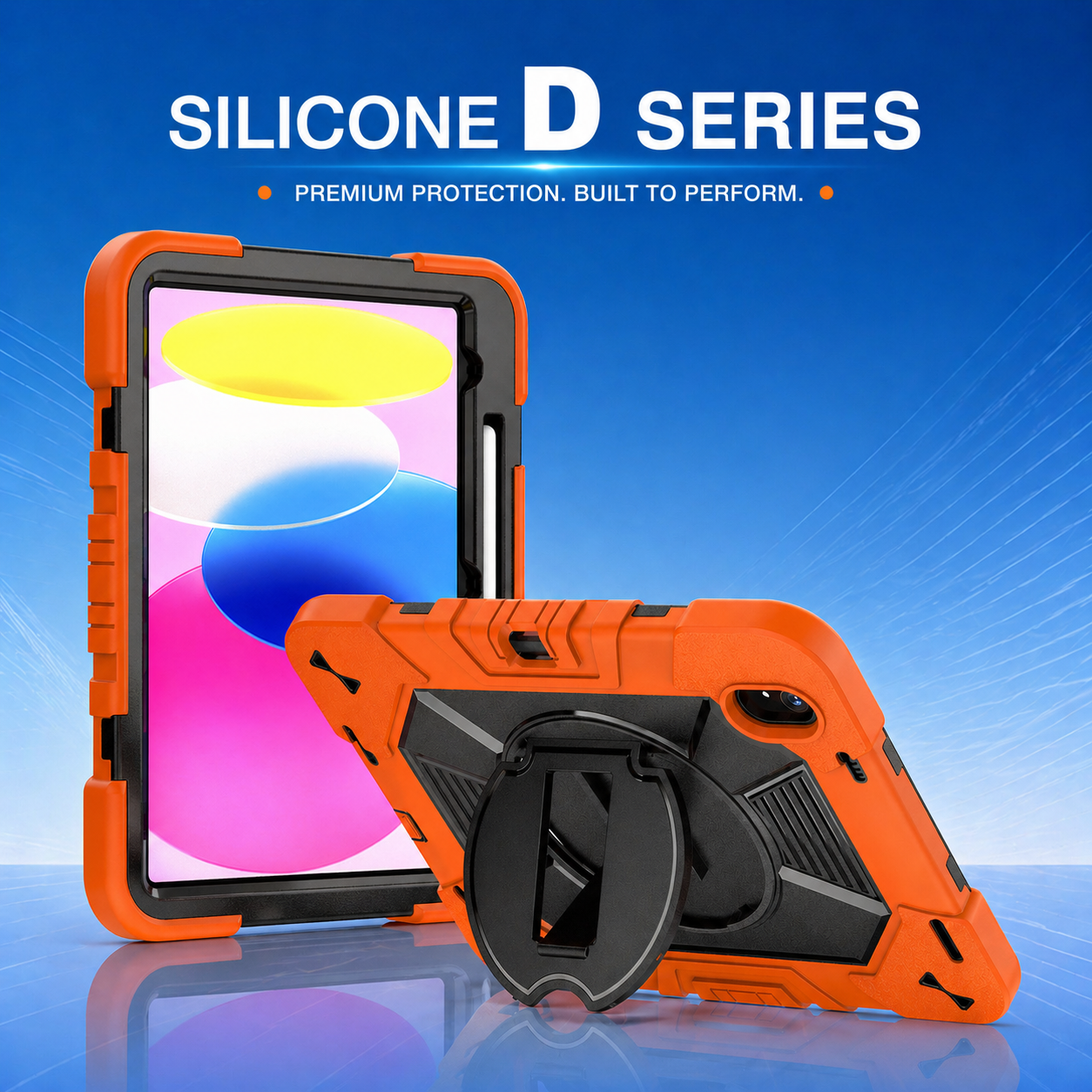

From Drop Tests to Stand Cycles: How Factories Validate Tablet Case Performance
Product durability cannot be confirmed by appearance alone. A protective case may look solid yet fail after repeated drops, loose stand movement, strap loading, or long-term button use. Reliable factories use a structured validation plan that recreates the stresses a product will face after shipment. The purpose is not to produce an impressive test video. It is to generate repeatable evidence that design, materials, and assembly work together under realistic conditions.
1. Building a Risk-Based Test Plan
Testing begins by identifying how and where the product will be used. A school deployment may involve frequent desk-height falls, repeated cleaning, and constant stand adjustment. A warehouse deployment may add concrete floors, carts, dust, scanning work, and gloved operation. Field teams may expose devices to vehicles, outdoor temperature changes, and continuous carrying.
Each risk should be linked to a test method, sample quantity, cycle count, and pass criterion. This makes testing objective. Instead of saying a product “survived a drop,” the report should state the device weight, drop height, impact surfaces, number of drops, orientations, and final inspection result.
2. Drop and Corner Impact Testing
Drop testing evaluates how well the complete structure manages sudden force. A shockproof iPad tablet case should be tested with a representative device or weighted fixture installed because the internal mass changes the impact. Samples are dropped on faces, edges, and corners, since corners often experience the highest concentrated load.
Inspectors review the case for cracks, separation, broken clips, permanent deformation, and loss of device retention. They also check the device or fixture for screen contact, button interference, and movement inside the enclosure. Repeated drops are more informative than a single event because real users may drop a device many times over its service life.
3. Compression, Torsion, and Retention Checks
A case can also fail without being dropped. Devices may be squeezed in bags, pressed under equipment, twisted during removal, or pulled by straps. Compression testing checks whether the frame collapses or transfers excessive force to the device. Torsion testing reveals weak joints and flexible areas. Retention testing confirms that the tablet remains seated when the product is shaken, inverted, or carried.
These tests are particularly important for products with removable front frames, multi-piece shells, or rotating hand straps. Engineers should record not only complete breakage but also loosening, whitening, stress marks, and reduced fit after cycling.
4. Stand and Hinge Cycle Validation
A multi angle kickstand tablet case must remain stable across its intended viewing and working positions. Factories test the stand by opening and closing it repeatedly, loading it at specified angles, and checking for slipping on representative surfaces. The hinge or pivot should retain enough friction after cycling without becoming difficult to operate.
Angle accuracy matters as well. A stand that opens too far can reduce stability, while one that stops too early can limit usability. Inspection fixtures can verify critical positions. For rotating designs, technicians also monitor wobble, noise, detent engagement, and wear around the pivot.
5. Button, Port, and Accessory Life Tests
Functional areas are common sources of customer complaints. Button covers may feel too hard, port flaps may tear, pencil holders may loosen, and strap anchors may pull out. Cycle tests reproduce repeated operation and reveal whether performance changes over time.
Factories can use simple fixtures to press buttons thousands of times, open port covers repeatedly, and apply controlled force to holders and straps. Results should be compared with approved samples. A part that remains attached but becomes difficult to use may still be considered a failure.
6. Abrasion and Surface Durability
Daily use exposes cases to desks, carts, bags, cleaning cloths, and hands. Abrasion testing checks whether texture, coating, printing, or logos wear prematurely. Cross-hatch or tape tests may be used for coatings, while rub tests evaluate printed graphics. Surface evaluation should consider both appearance and grip.
Cleaning resistance is increasingly relevant in schools, clinics, and shared-device programs. Test samples may be wiped repeatedly with approved cleaning solutions, then checked for discoloration, swelling, cracking, tackiness, or loss of print adhesion.
7. Temperature and Aging Tests
Heat, cold, humidity, and ultraviolet exposure can alter flexibility, dimensions, and color. Environmental testing helps predict whether parts will harden, soften, warp, fade, or lose fit. Samples are conditioned for a defined period and then retested for function and impact performance.
This step supports #DeviceProtection across different regions and operating conditions. A design approved only at room temperature may behave differently in a hot vehicle, cold warehouse, or humid coastal environment. Environmental validation reduces that uncertainty before shipment.
8. Packaging and Transportation Validation
The case must also arrive in good condition. Package vibration, carton drop, stacking, and compression tests simulate transport and storage. Inspectors check whether accessories move, surfaces rub, printed packaging tears, or cartons collapse. Correct inner packing and carton strength prevent cosmetic damage that could otherwise be mistaken for production defects.
9. Turning Test Results into Production Control
Testing creates value only when results influence design and manufacturing. A cracked corner may require additional material or a geometry change. A loose stand may require a stronger pivot or tighter tolerance. A failed strap anchor may lead to reinforcement or a revised assembly method. After changes are made, the factory repeats the relevant tests to confirm improvement.
Buyers should request test standards, sample counts, raw results, photographs, and revision history. A clear report allows both parties to understand what was tested and what passed. Through repeatable validation and corrective action, factories convert durability claims into measurable performance and reduce the risk of field failures.






.png)
+86 13422271740
.png)
info@tongmeitech.com
.png)
No. 34, Mashe Section, Guihe Road, Lishui Town, Foshan, Guangdong, China