- 1
- BLACKL
- TABLETAPPLE iPad Mini 8NEW iPad A16(2025) iPad 10.9" 10th (2022) iPad 10.2" (7th/8th/9th) iPad Air 13" (M2/M3/M4)(2024/2025/2026)NEW iPad Air 11" (M2/M3/M4)(2024/2025/2026)NEW iPad Mini 8.3" (A7 Pro/6th Gen) iPad Pro13"(M4/M5)(2024/2025) iPad Pro11"(M4/M5)(2026) iPad 9.7" (5th/6th Gen) iPad Pro 12.9"(2018-2022) iPad Pro 11"(2018-2022) iPad 9.7"(2th/3th/4th) iPad Air 10.9"(4th/5th Gen) iPad Mini 7.9"(4th/5th Gen)SAMSUNG Galaxy Tab A11 Galaxy Tab A11 Plus Galaxy Tab S11 Galaxy Tab S12 PlusNEW Galaxy Tab S12 UltraNEW Galaxy Tab A9+ Galaxy Tab A9 Galaxy Tab A8 Galaxy Tab A7 Galaxy Tab A7 Lite Galaxy Tab S11 Ultra/S10 Ultra/S9 Ultra/S8 Ultra Galaxy Tab S10+/S9+/S9 FE+ Galaxy Tab S10Lite/S10 FE/S9 FE/S9 Galaxy Tab S8+/S7+/S7 FE Galaxy Tab S8/S7 Galaxy Tab S6 lite Galaxy Tab A10.1 Galaxy Tab A8.4 Galaxy Tab A8.0 Galaxy Tab S10 FE+LENOVO iDea tab 11/Tab K11 Gen 2 /Xiaoxin Pad 11 2025 Lenovo Tab K9 (Tab One) 2025 Lenovo Tab M10 10.1"(2025) Lenovo Tab M10 Plus 10.6" (3rd Gen) Lenovo Tab M10 HD 10.1" (3rd Gen) Lenovo K10/M10 Plus 10.3" (2nd Gen) Lenovo Tab M10 HD 10.1" (2nd Gen)XIAOMI Redmi Pad 2 9.7 InchNEW Xiaomi Pad8/8Pro 11.2" Redmi Pad2/Pad2.4G Xiaomi Pad 6/6 Pro 11" Redmi Pad 10.61" Redmi Pad Se 11" Redmi pad Se 4G 8.7" Xiaomi Pad7/7 Pro 11.2" Redmi Pad Pro/Xiaomi Poco Pad/Redmi Pad2 Pro 12.1HUAWEI Huawei Matepad Se 10.4" Huawei Matepad 11" Huawei Matepad 11.5" Huawei Matepad SE 11" Huawei Matepad T8 8" Huawei Matepad T10 9.7"
- CATEGORIES
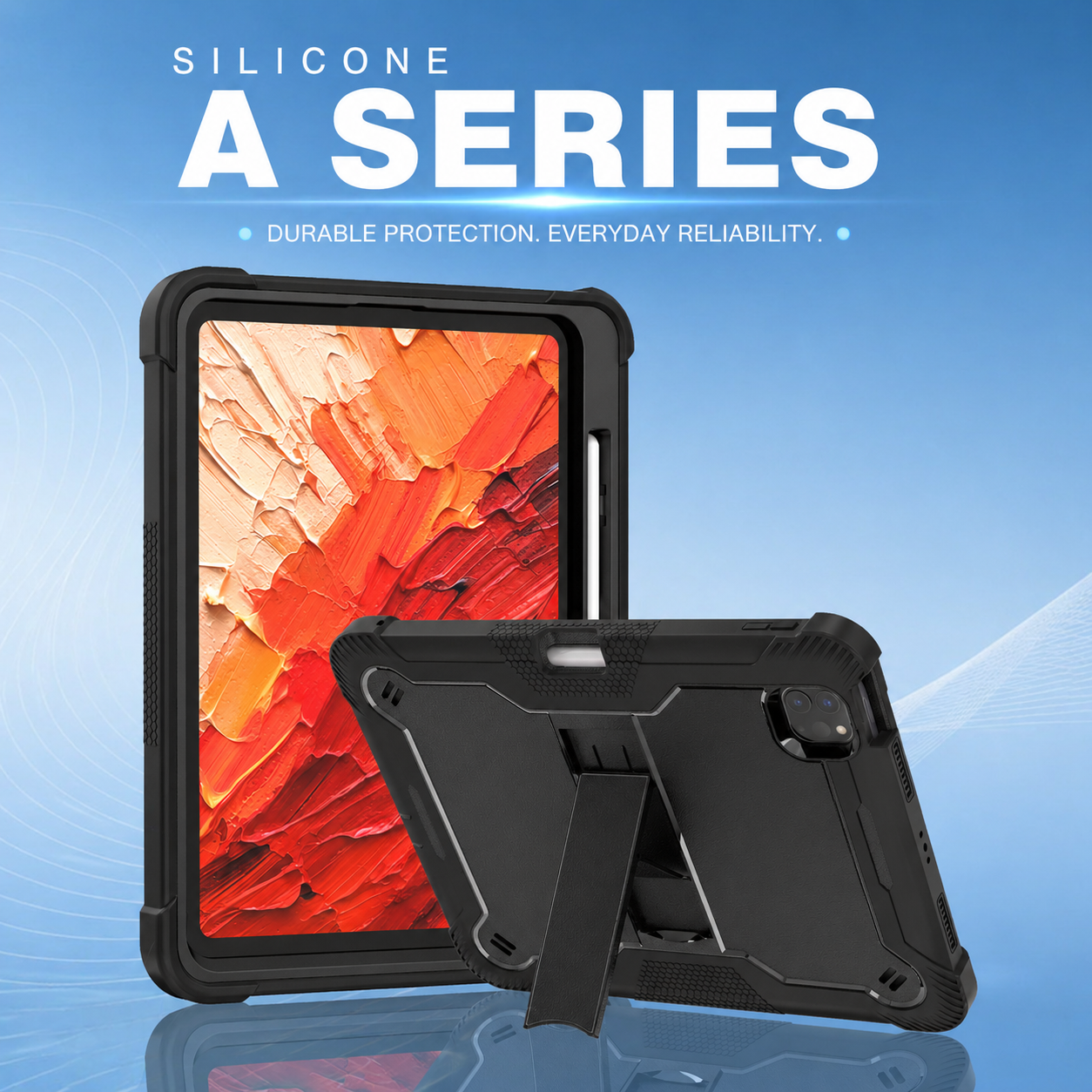
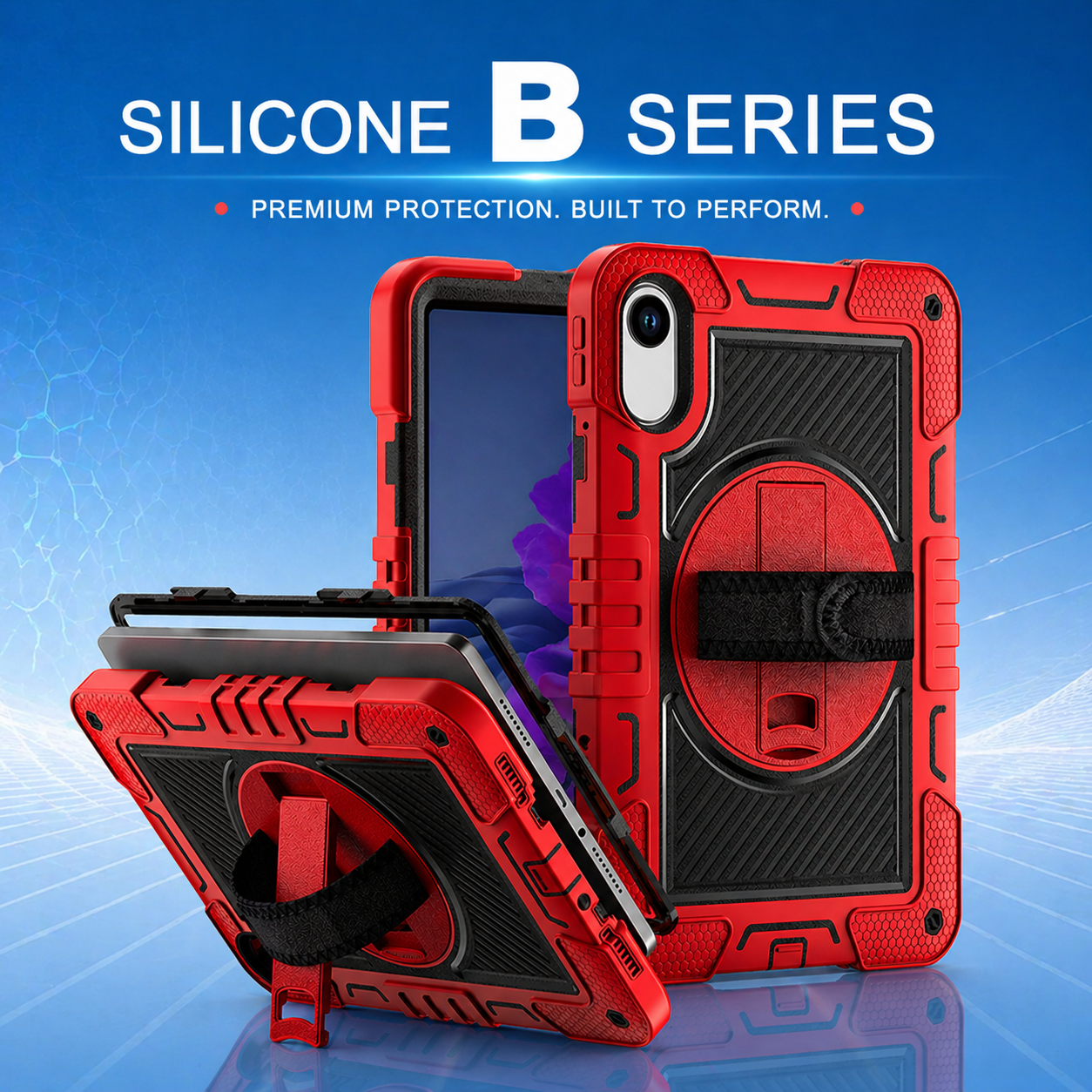
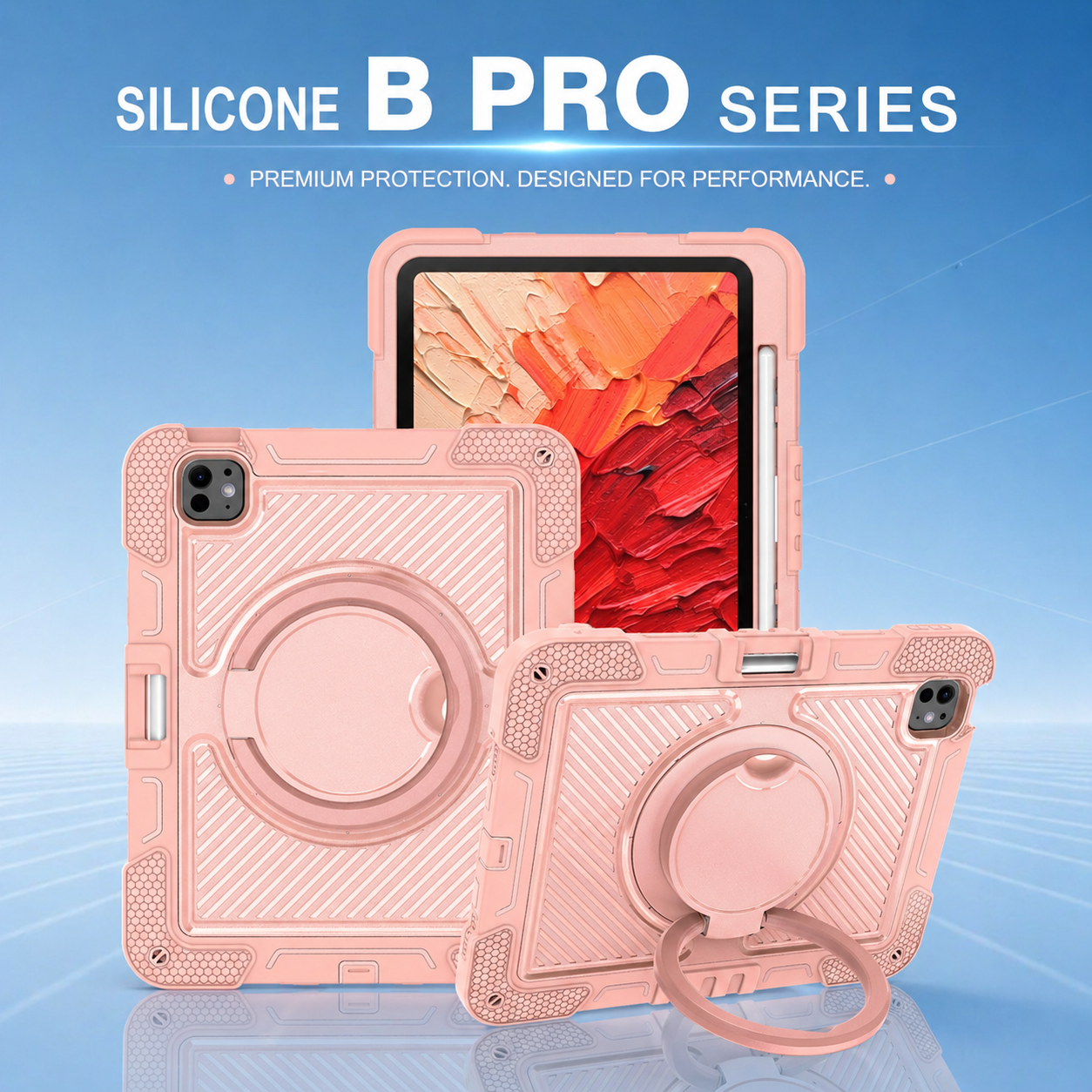
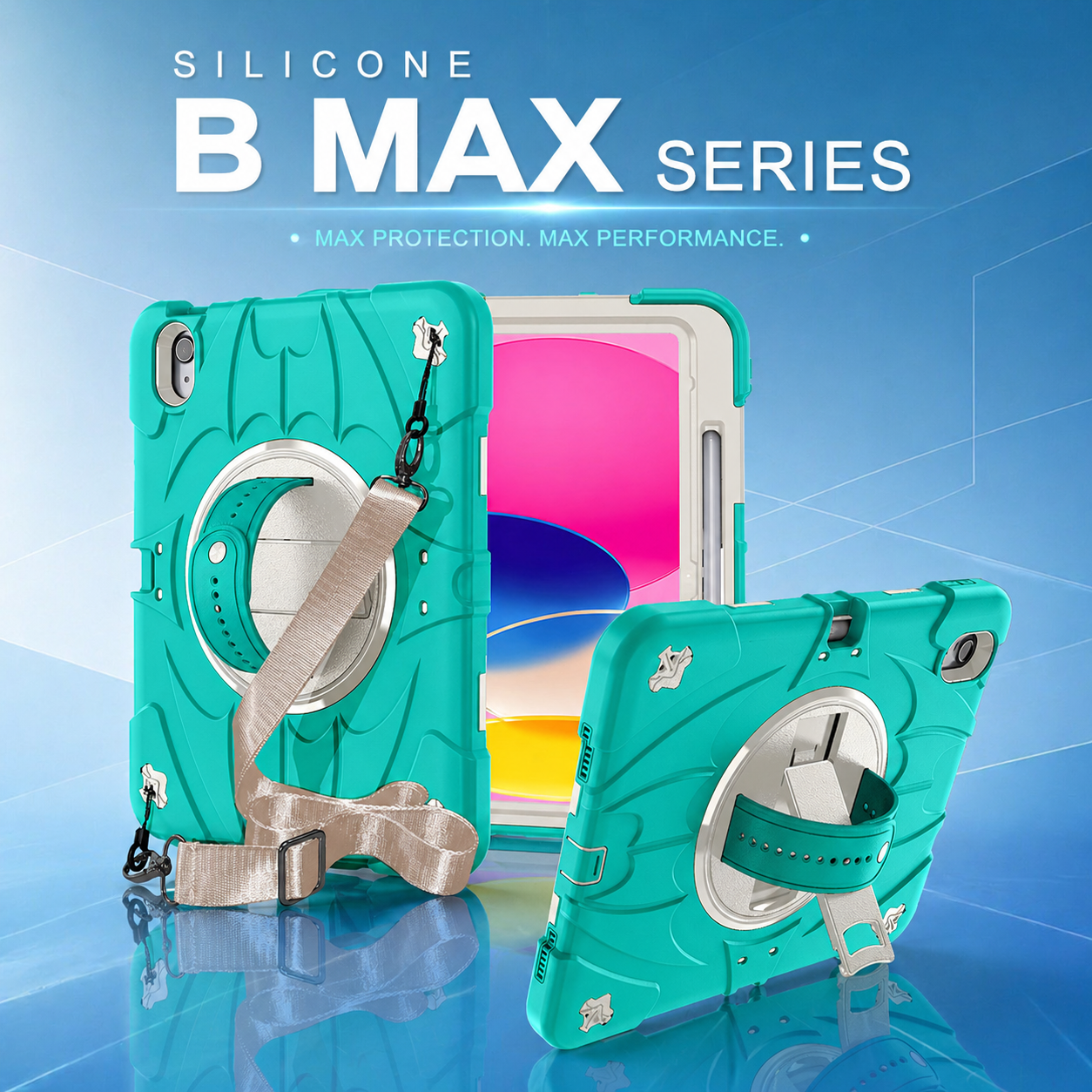
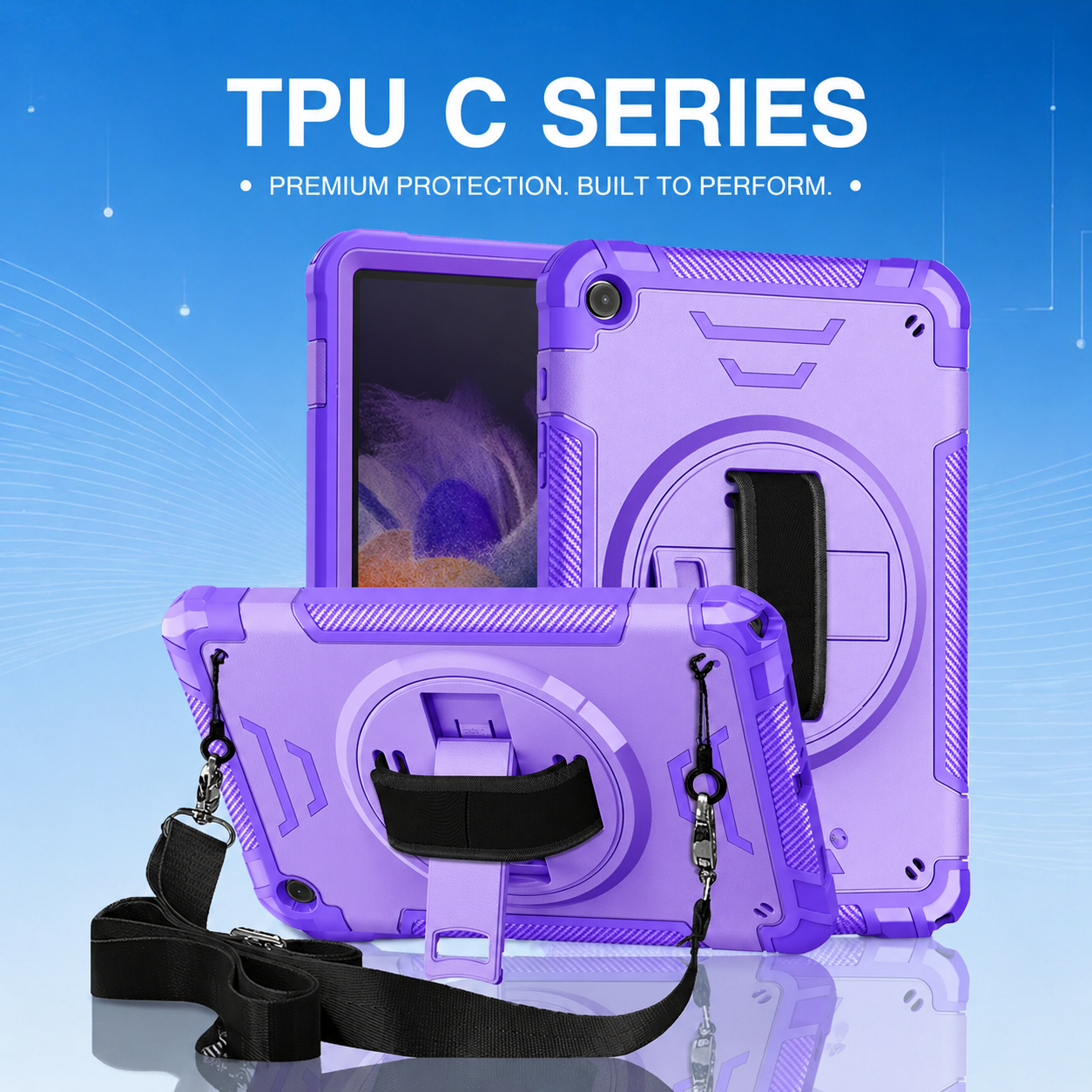
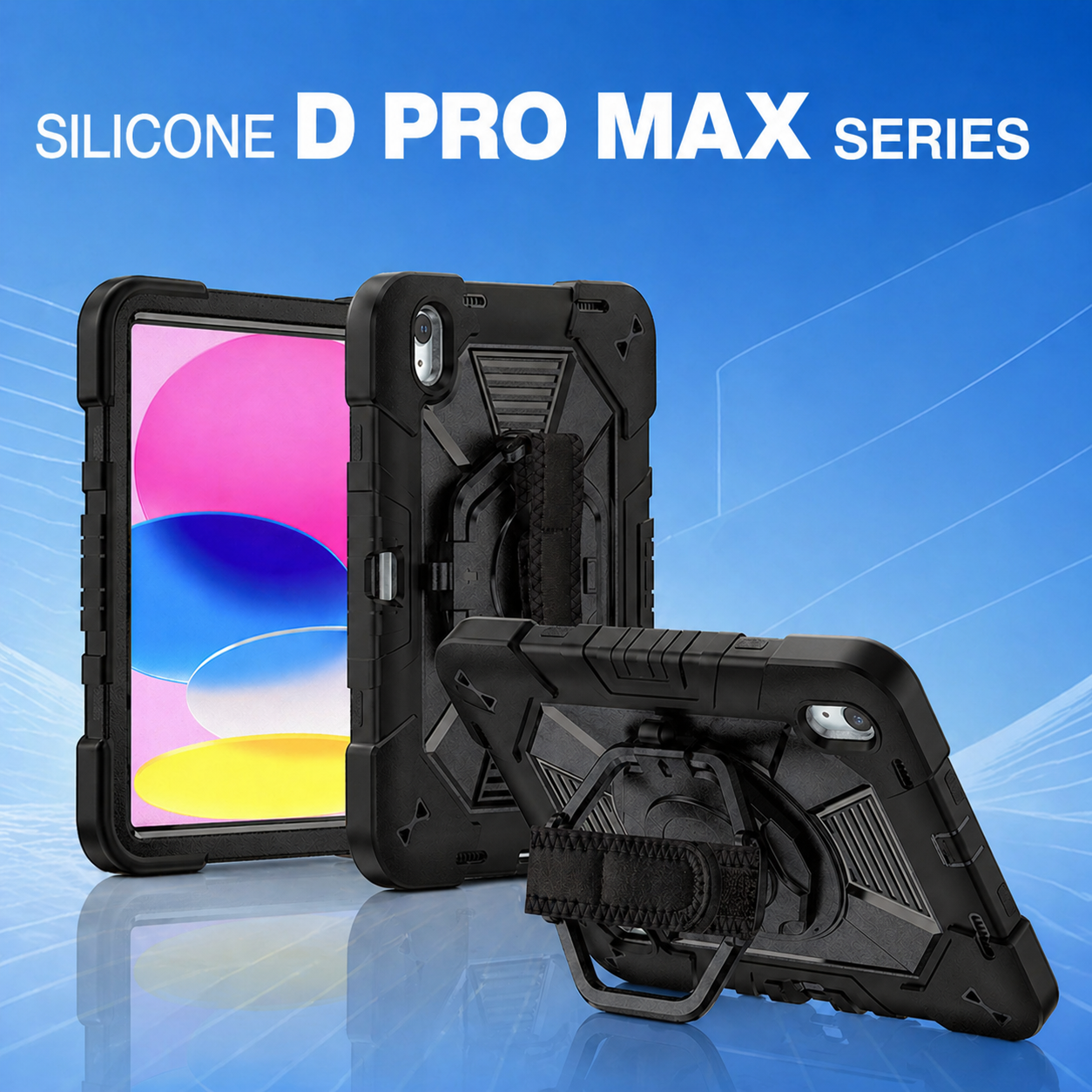
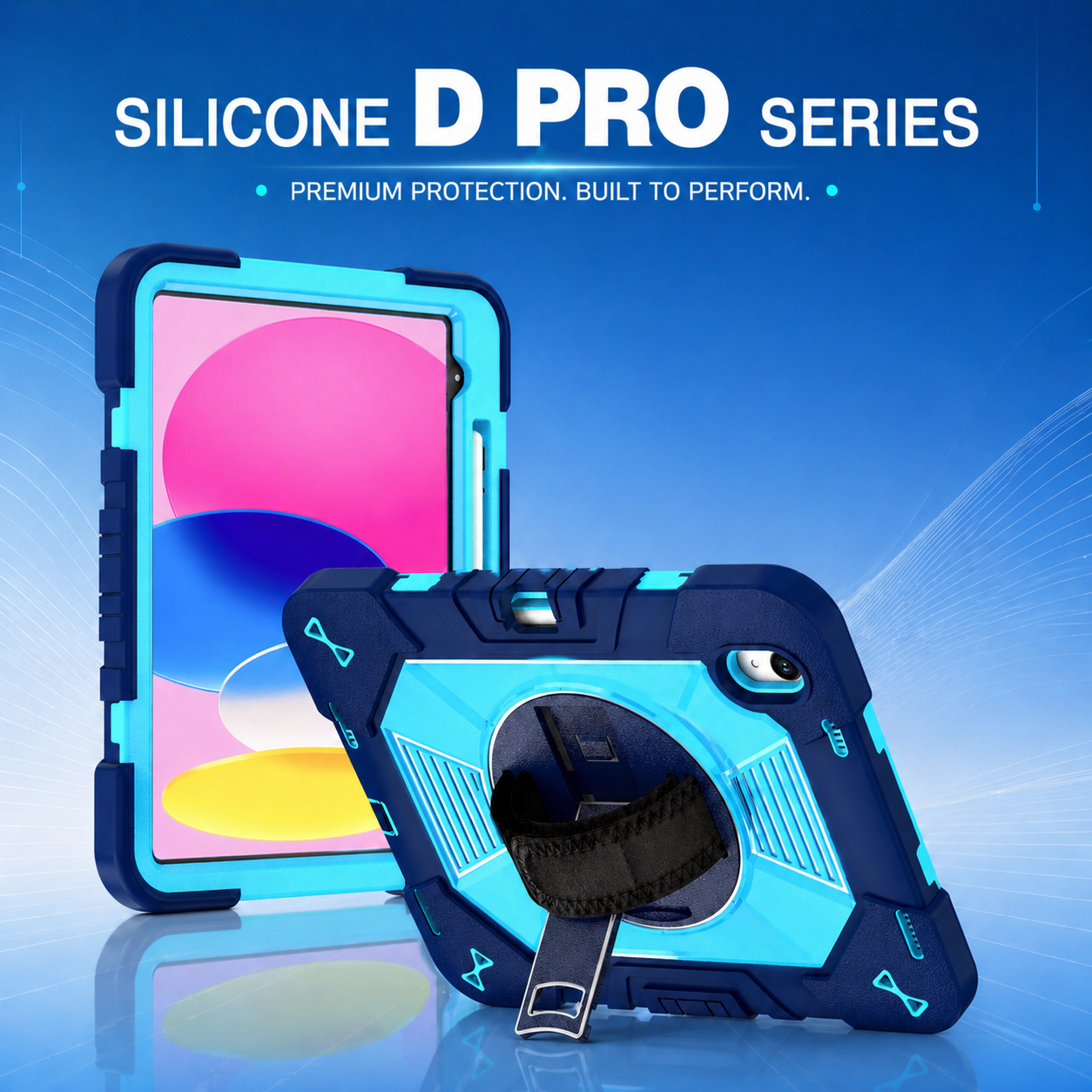
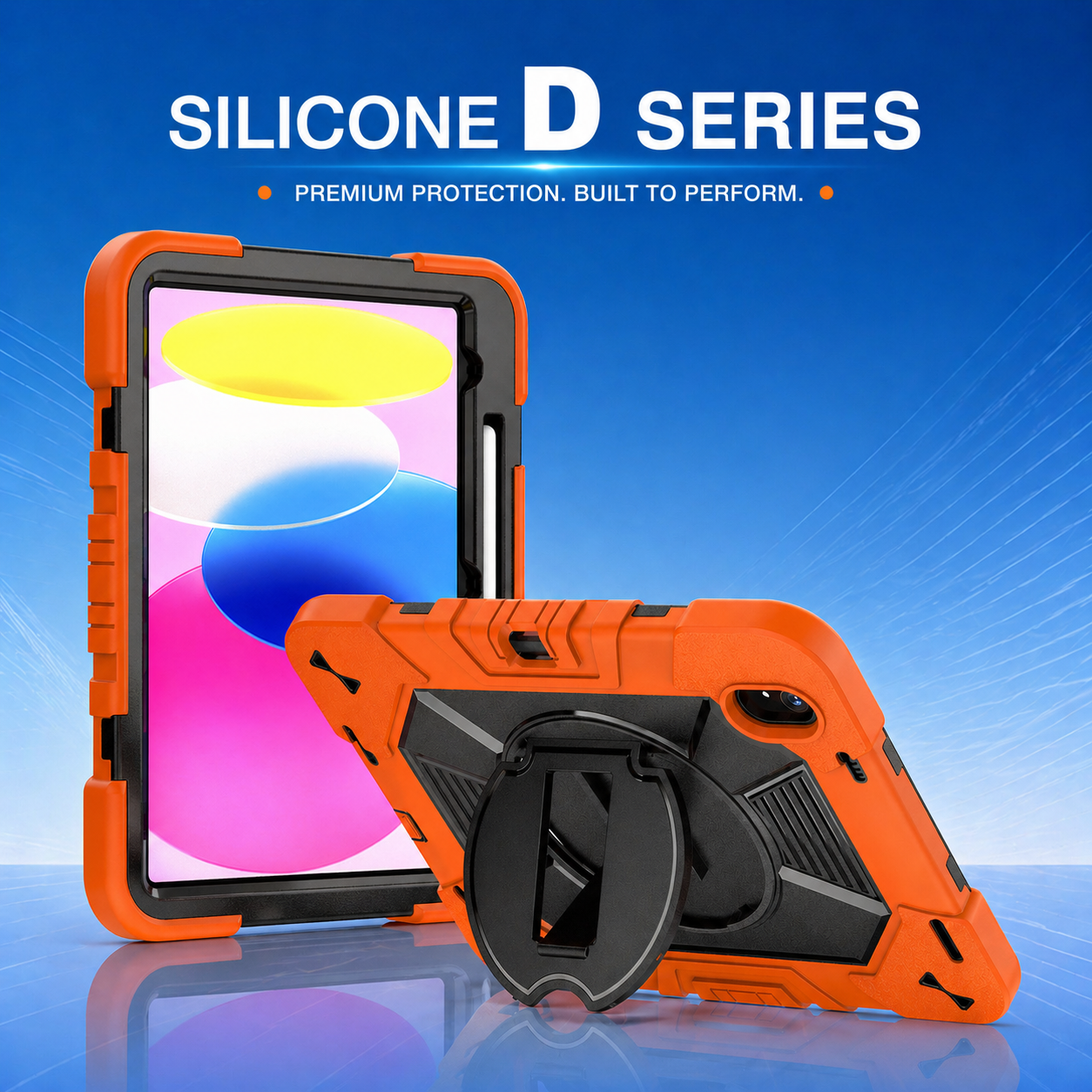

How Factory Quality Control Ensures Durable Tablet Protection Cases
Durability is not created by a single material choice or a final inspection. It is built through a controlled manufacturing system that begins before production and continues through packaging. A dependable factory defines measurable standards, verifies incoming materials, controls molding parameters, checks assembly quality, and tests finished products against real-use risks. For buyers comparing suppliers, the strongest indicator of reliability is not a polished sample. It is a repeatable quality-control process that produces the same result across every batch.
1. Clear Standards Before Production
Quality starts with an approved specification. The factory and buyer should confirm dimensions, device fit, material grade, hardness, color tolerance, surface texture, logo position, button response, camera clearance, stand angle, and packaging requirements. A professional #TabletCaseManufacturer converts these expectations into engineering drawings, inspection sheets, limit samples, and acceptance criteria. This prevents production teams from relying on subjective judgments such as “looks acceptable” or “feels strong enough.”
Pre-production review also identifies risk points. Thin corners may tear, a stand joint may loosen, or a port opening may shift during molding. By identifying these issues before mass production, engineers can adjust tooling, wall thickness, ribs, draft angles, or assembly methods. The result is better consistency and fewer costly corrections later.
2. Incoming Material Verification
Materials must be checked before they enter the production line. For a TPU tablet case, inspectors may verify hardness, elasticity, color, odor, surface cleanliness, and supplier batch documentation. Rigid components may require checks for impact resistance, shrinkage behavior, and dimensional stability. Silicone parts can be reviewed for tear strength, curing quality, and contamination.
Incoming quality control protects the entire order. Even a well-designed product can fail when recycled content is uncontrolled, additives vary, or resin has absorbed moisture. Reliable factories label each material lot and keep traceability records so that any later problem can be linked to a specific batch rather than investigated through guesswork.
3. Process Control During Molding
Injection molding quality depends on stable settings. Temperature, pressure, cycle time, cooling time, and machine condition all influence the final part. Operators should follow approved process cards, while supervisors record key parameters and inspect first-off pieces before production continues. Dimensional gauges and fit fixtures help confirm that the case seats correctly around the device without warping or excessive tension.
In-process checks are especially important for a heavy duty rugged Case because multiple layers must work together. A soft outer layer must wrap the rigid frame correctly, corners must align, clips must engage, and protective lips must remain even. If one layer shrinks or bends beyond tolerance, the complete product may look normal but perform poorly during impact.
4. Assembly and Functional Inspection
Assembly inspection evaluates more than appearance. Workers test buttons, port access, camera openings, stand movement, hand straps, shoulder straps, pencil holders, screen-frame engagement, and any rotating components. Inspectors also look for flash, scratches, stains, gaps, weak bonding, sharp edges, and uneven logos.
Factories often use a combination of self-inspection, patrol inspection, and final-line inspection. The operator checks each unit, a quality technician samples work during production, and a separate team reviews finished goods. This layered approach reduces the chance that one person or one checkpoint becomes the only defense against defects.
5. Reliability Testing That Reflects Real Use
Finished products should be evaluated through defined tests rather than informal demonstrations. Common checks include repeated drop testing, corner impact testing, stand-cycle testing, strap-pull testing, button-life testing, abrasion testing, temperature exposure, and package vibration testing. Test height, surface, device weight, sample quantity, and pass criteria should be documented so results can be compared across batches.
Testing must match the intended market. A classroom product may require repeated handling and cleaning. A warehouse product may face concrete floors, gloves, dust, and frequent scanning. A field-service product may need secure grip, outdoor usability, and repeated stand adjustment. Quality control becomes more valuable when test conditions reflect the buyer’s actual operating environment.
6. Final Inspection, Traceability, and Corrective Action
Before shipment, inspectors compare random samples with the approved specification and limit samples. They check quantity, workmanship, dimensions, functions, color, branding, packaging, carton marks, and accessories. The inspection level and defect classification should be agreed in advance, with critical, major, and minor defects treated differently.
When a defect appears, the factory should contain affected goods, identify the root cause, correct the process, and verify that the correction works. Records from material lots, machines, operators, inspection results, and test reports make this possible. Strong corrective action prevents the same issue from returning in the next order.
7. What Buyers Should Request
Buyers can strengthen quality by requesting an approved golden sample, a control plan, material declarations, in-process inspection records, reliability reports, and pre-shipment inspection results. Pilot production is also useful before a large order because it exposes tooling and assembly risks under realistic conditions. The objective is not to add paperwork for its own sake. It is to create evidence that the product was built under controlled conditions.
Durable tablet protection depends on disciplined execution. When specifications, materials, molding, assembly, testing, and corrective action are connected, the factory can deliver consistent protection at scale. That system gives brands, distributors, and enterprise buyers greater confidence that production units will match the sample they approved.






.png)
+86 13422271740
.png)
info@tongmeitech.com
.png)
No. 34, Mashe Section, Guihe Road, Lishui Town, Foshan, Guangdong, China