- 1
- BLACKL
- TABLETAPPLE iPad Mini 8NEW iPad A16(2025) iPad 10.9" 10th (2022) iPad 10.2" (7th/8th/9th) iPad Air 13" (M2/M3/M4)(2024/2025/2026)NEW iPad Air 11" (M2/M3/M4)(2024/2025/2026)NEW iPad Mini 8.3" (A7 Pro/6th Gen) iPad Pro13"(M4/M5)(2024/2025) iPad Pro11"(M4/M5)(2026) iPad 9.7" (5th/6th Gen) iPad Pro 12.9"(2018-2022) iPad Pro 11"(2018-2022) iPad 9.7"(2th/3th/4th) iPad Air 10.9"(4th/5th Gen) iPad Mini 7.9"(4th/5th Gen)SAMSUNG Galaxy Tab A11 Galaxy Tab A11 Plus Galaxy Tab S11 Galaxy Tab S12 PlusNEW Galaxy Tab S12 UltraNEW Galaxy Tab A9+ Galaxy Tab A9 Galaxy Tab A8 Galaxy Tab A7 Galaxy Tab A7 Lite Galaxy Tab S11 Ultra/S10 Ultra/S9 Ultra/S8 Ultra Galaxy Tab S10+/S9+/S9 FE+ Galaxy Tab S10Lite/S10 FE/S9 FE/S9 Galaxy Tab S8+/S7+/S7 FE Galaxy Tab S8/S7 Galaxy Tab S6 lite Galaxy Tab A10.1 Galaxy Tab A8.4 Galaxy Tab A8.0 Galaxy Tab S10 FE+LENOVO iDea tab 11/Tab K11 Gen 2 /Xiaoxin Pad 11 2025 Lenovo Tab K9 (Tab One) 2025 Lenovo Tab M10 10.1"(2025) Lenovo Tab M10 Plus 10.6" (3rd Gen) Lenovo Tab M10 HD 10.1" (3rd Gen) Lenovo K10/M10 Plus 10.3" (2nd Gen) Lenovo Tab M10 HD 10.1" (2nd Gen)XIAOMI Redmi Pad 2 9.7 InchNEW Xiaomi Pad8/8Pro 11.2" Redmi Pad2/Pad2.4G Xiaomi Pad 6/6 Pro 11" Redmi Pad 10.61" Redmi Pad Se 11" Redmi pad Se 4G 8.7" Xiaomi Pad7/7 Pro 11.2" Redmi Pad Pro/Xiaomi Poco Pad/Redmi Pad2 Pro 12.1HUAWEI Huawei Matepad Se 10.4" Huawei Matepad 11" Huawei Matepad 11.5" Huawei Matepad SE 11" Huawei Matepad T8 8" Huawei Matepad T10 9.7"
- CATEGORIES

Why Education Buyers Prefer Factory Direct Tablet Case Solutions
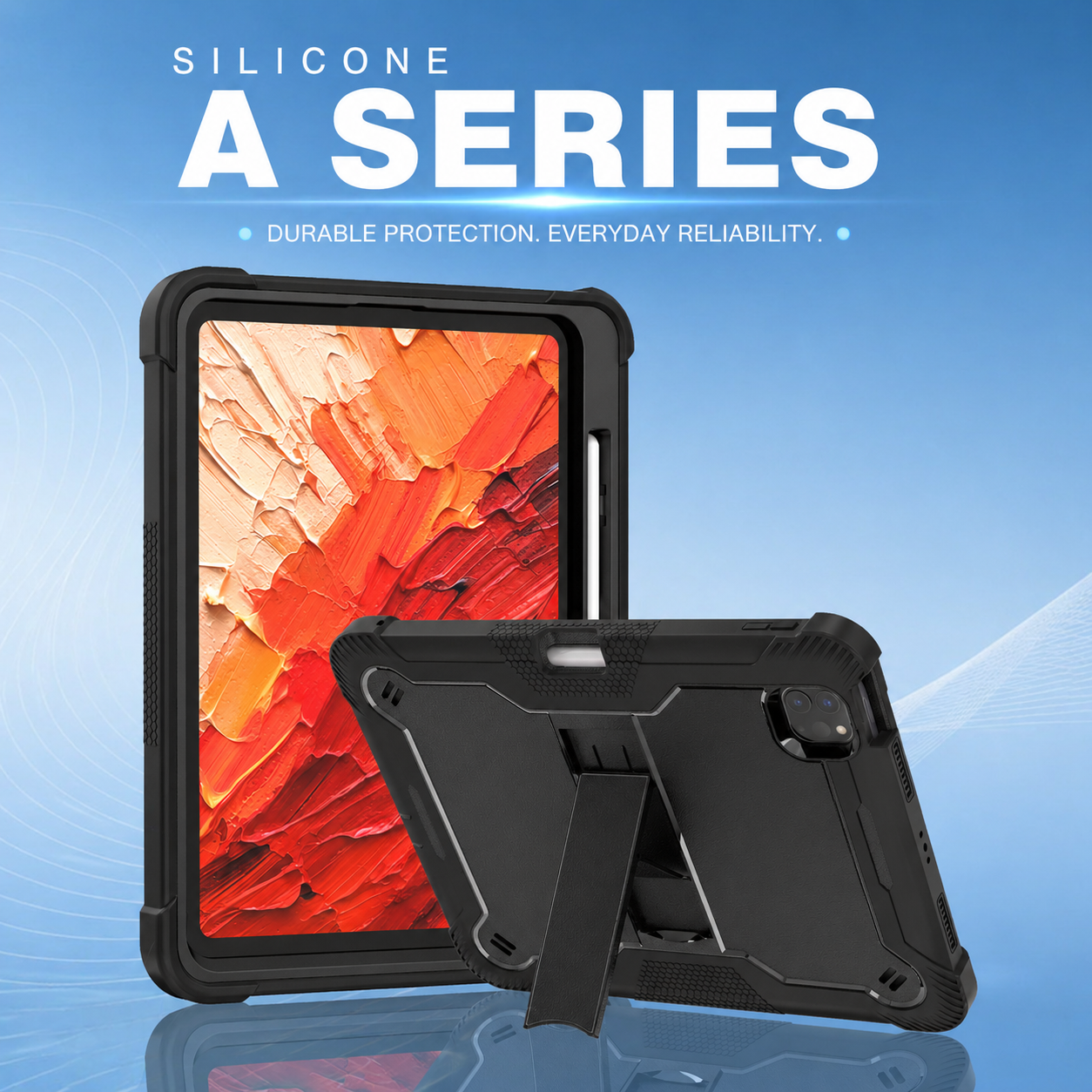
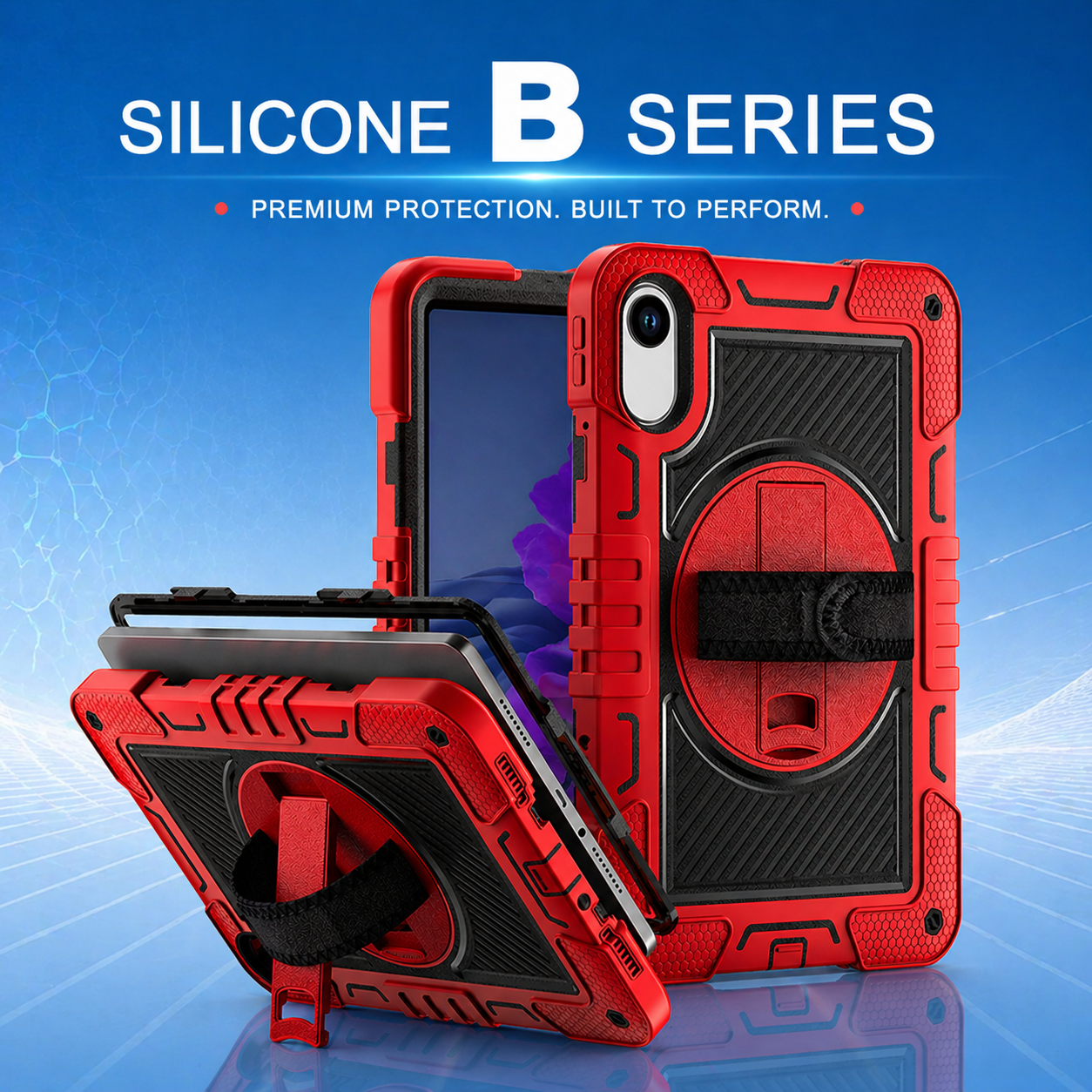
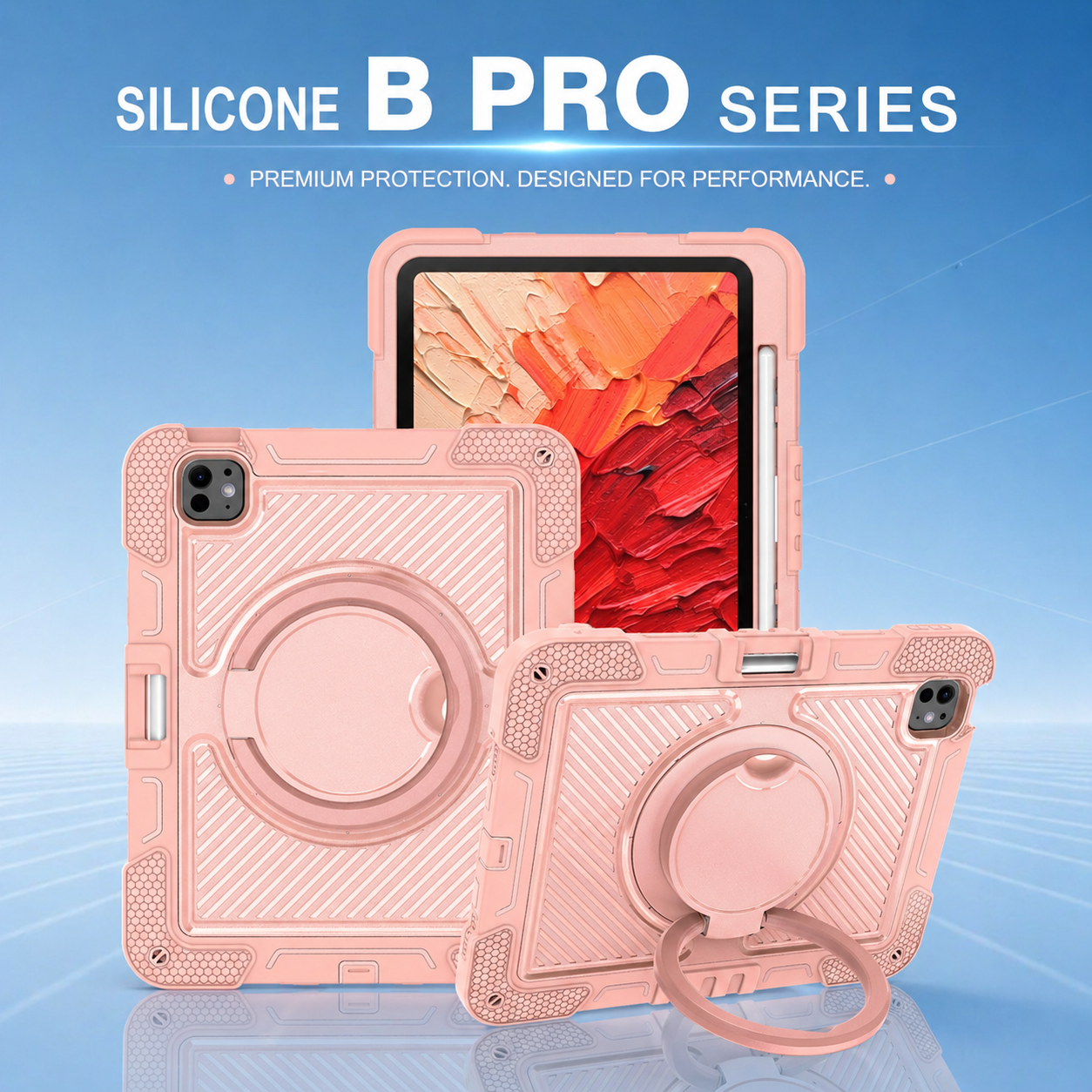
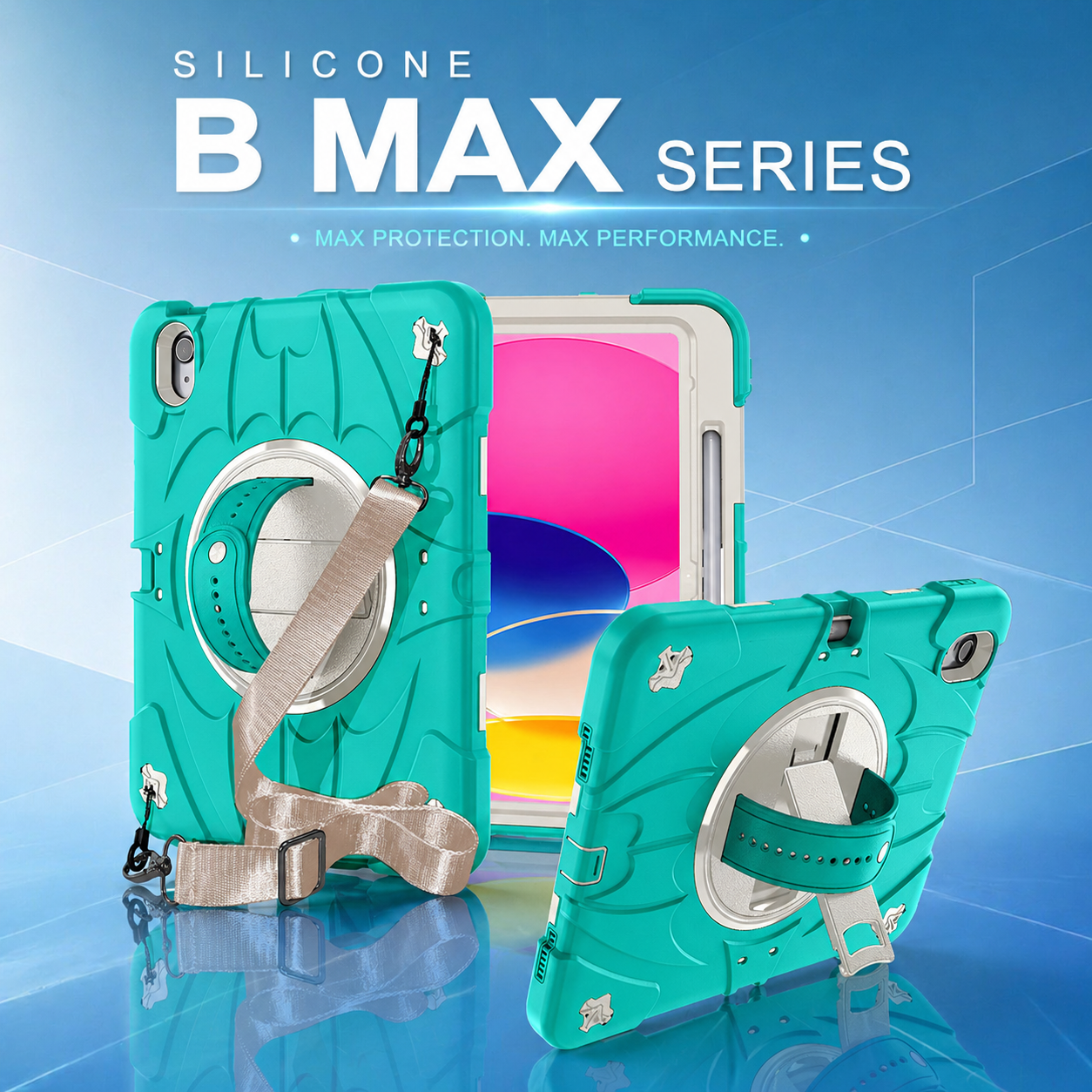
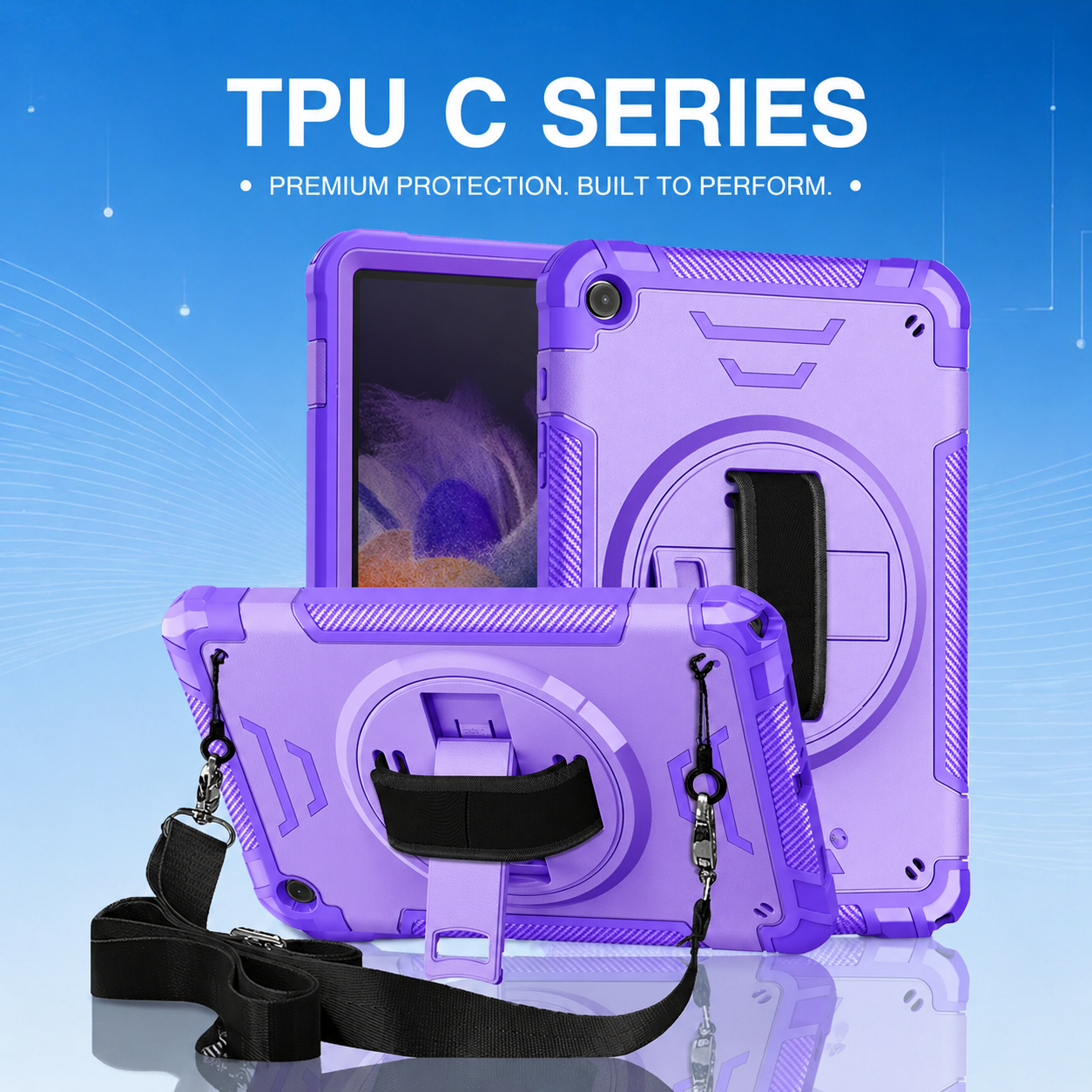
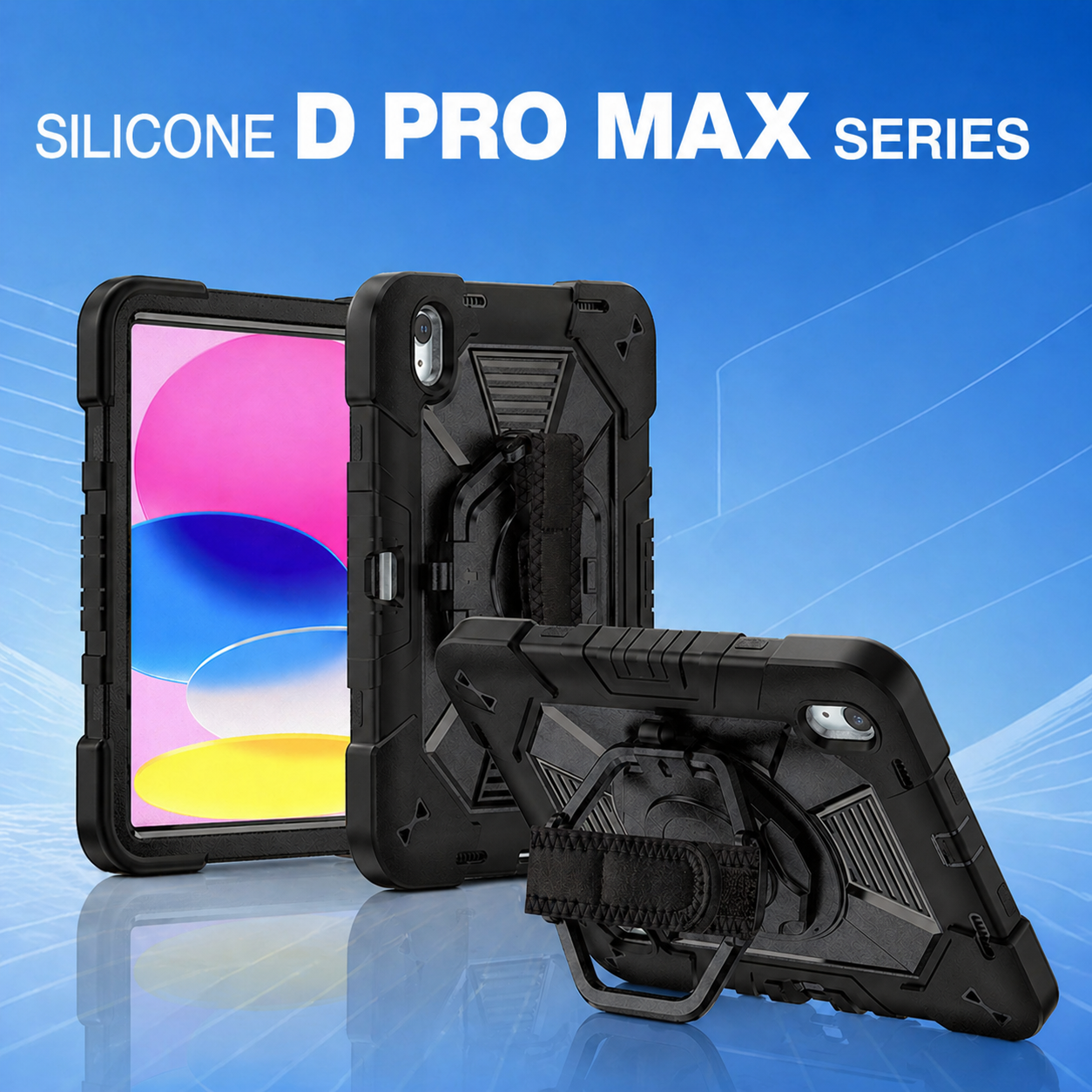
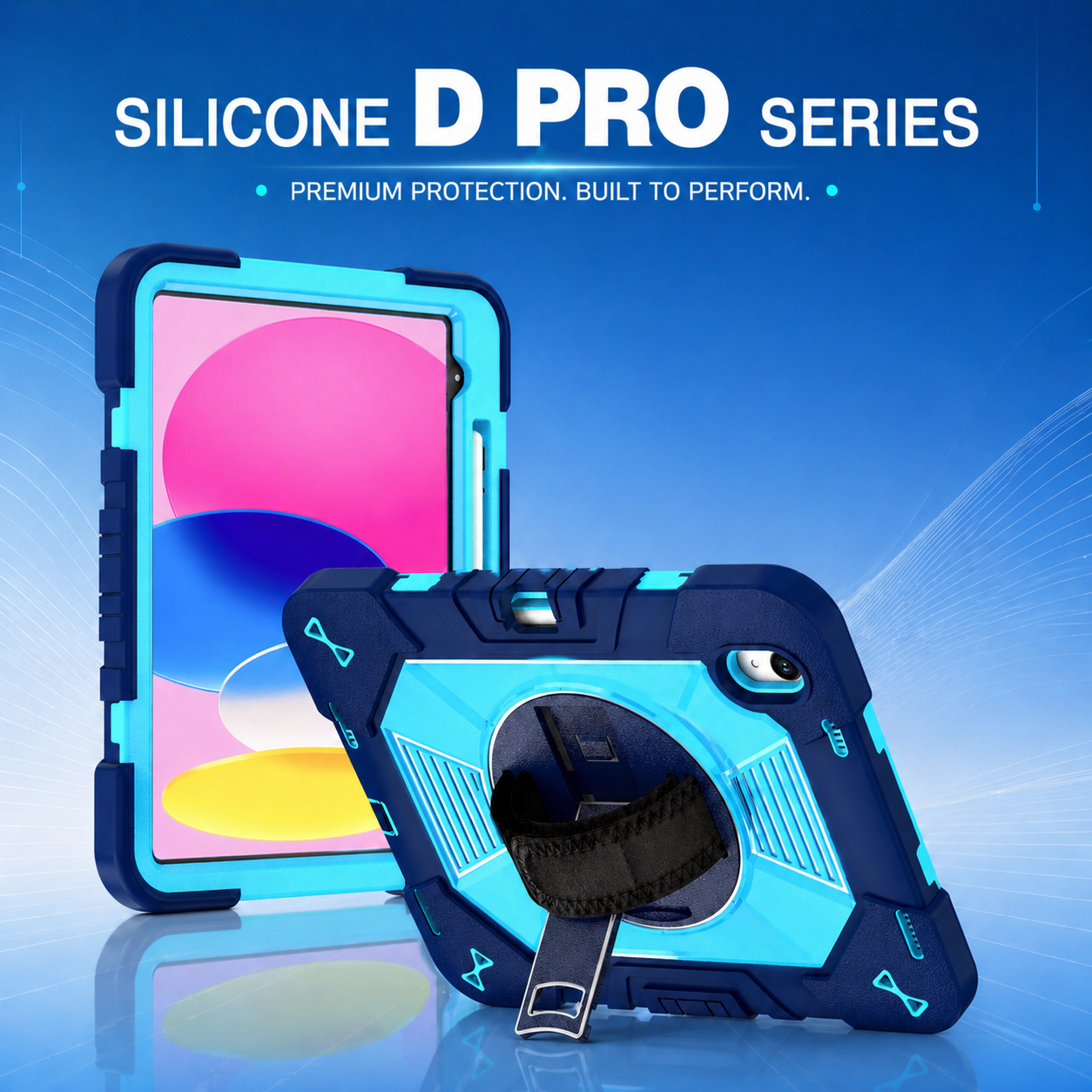
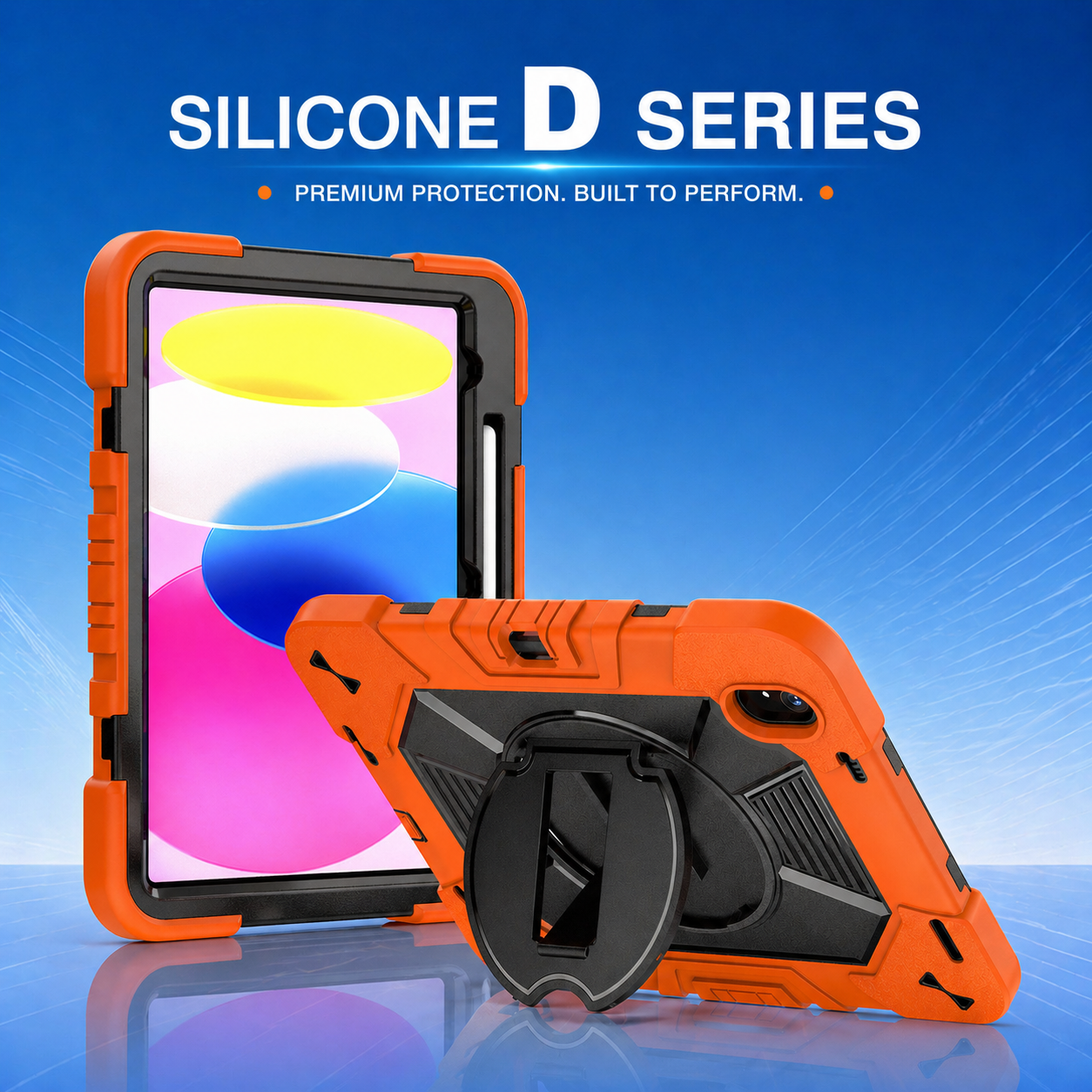
Schools, districts, education ministries, and technology resellers are buying more tablets, but the purchasing decision no longer ends with the device. A successful deployment also requires dependable protection, predictable delivery, and a product that fits classroom routines. For that reason, many education buyers prefer to work directly with a factory rather than source through several layers of trading companies. Factory-direct cooperation gives procurement teams clearer control over product design, cost, quality, and long-term supply. It also makes it easier to specify a kids education tablet case that reflects the real needs of students, teachers, and IT administrators.
1. Better control over classroom-specific requirements
Education environments are demanding in a different way from ordinary consumer use. Devices move between desks, backpacks, charging carts, libraries, laboratories, and homes. Cases must resist daily drops, protect corners and screens, and remain comfortable for younger users. A factory can translate these requirements into practical engineering choices such as reinforced bumpers, raised bezels, non-slip surfaces, integrated handles, pencil storage, and adjustable stands. This direct communication reduces the risk that important specifications are diluted or misunderstood.
Education buyers can also compare material combinations before production begins. A flexible TPU tablet case can provide impact absorption and a secure grip, while a hybrid structure may add a rigid shell for stronger deformation resistance. The right choice depends on device model, student age, classroom activity, and expected service life. Working with a #TabletCaseManufacturer makes these trade-offs visible early, allowing the buyer to approve drawings, samples, and test standards before committing to a large order.
2. More predictable total cost
Unit price matters, but education procurement teams increasingly evaluate total cost of ownership. A low-priced case that cracks, loosens, blocks ports, or causes frequent device damage can create replacement expenses, support tickets, and classroom disruption. Factory-direct sourcing helps buyers understand what they are paying for: material grade, tooling, assembly method, packaging, inspection, and logistics. It also provides a clearer path to volume pricing and scheduled production.
Because the buyer communicates with the production source, there is less uncertainty around minimum order quantity, color changes, logo printing, or accessory options. Schools and distributors can plan phased deliveries for different campuses instead of accepting whatever inventory happens to be available. This is especially valuable for multi-year device programs where continuity matters more than a one-time discount.
3. Customization that supports school operations
A tablet case can do more than protect hardware. It can simplify device identification, classroom handling, and asset management. Factories can offer custom colors by grade level, molded or printed logos, barcode labels, serial-number windows, packaging by classroom, and different stand angles for typing or video lessons. For younger students, soft edges and easy-carry handles improve usability. For teachers and support staff, clear access to cameras, microphones, buttons, charging ports, and keyboards reduces daily friction.
Direct development also supports private-label programs for education technology distributors. Instead of selling a generic accessory, the distributor can create a product line tailored to regional device models, school budgets, and tender requirements. This strengthens differentiation while keeping the design connected to real manufacturing capabilities.
4. Faster problem solving and product iteration
Education projects often involve fixed enrollment dates, funding deadlines, and device launch schedules. When a fit issue or packaging change appears, a long communication chain can delay correction. Factory-direct cooperation shortens that chain. Engineers can review device dimensions, revise mold details, update cutouts, or adjust material hardness with fewer handoffs. Buyers can request pre-production samples, pilot quantities, and documented corrective action before the main shipment.
This responsiveness is important when tablet models change. Even small differences in camera position, speaker layout, or side-button height can affect compatibility. A capable manufacturing partner maintains model data, verifies fit, and updates tooling rather than assuming that two devices with similar screen sizes are interchangeable.
5. Stronger quality assurance
Education buyers need repeatable quality across thousands of units. Factory-direct programs can define incoming material checks, first-article inspection, in-process checks, final sampling, fit verification, and packaging review. Buyers may also request drop testing, stand-cycle testing, strap pull testing, or surface wear evaluation according to the intended use. These controls are easier to manage when quality expectations are written into the production process instead of added after goods are finished.
Transparent quality management also supports tender documentation and internal approval. Procurement teams can retain sample records, inspection criteria, and batch information, while distributors can provide customers with clearer product specifications and warranty procedures.
6. A more reliable long-term supply relationship
Large education deployments rarely end with the first shipment. Schools may need replacement units, cases for new students, support for additional tablet models, or coordinated packaging for later phases. A direct factory relationship creates a foundation for repeat orders, forecast planning, and controlled updates. The manufacturer can reserve capacity, maintain approved materials, and preserve tooling data, reducing the risk of inconsistency between batches.
The best factory-direct solution is therefore not simply the cheapest case. It is a coordinated program that combines product engineering, quality control, customization, and supply planning. Education buyers prefer this model because it gives them greater visibility and fewer surprises. When device protection is treated as part of the deployment strategy, schools can reduce breakage, improve classroom usability, and protect the value of their technology investment.
Continue to the next article: OEM tablet case production planning.
SEO Keywords
rugged tablet case, kids tablet case, shockproof tablet case, custom tablet case, OEM tablet case, ODM tablet case, PC+silicone tablet case, TPU tablet case, 3-layer protective tablet case, full-body protective tablet case, rotating kickstand case, hand-strap tablet case, pencil-holder tablet case, classroom iPad case, tablet carrying case, factory-direct sourcing, OEM tooling service, ODM design support, private-label packaging, logo customization, color matching, sample development, drop-test validation, compatibility engineering, bulk order production, quality inspection, supply chain planning, export logistics, after-sales support, replacement-part support, school districts, education ministries, EdTech distributors, tablet resellers, school procurement teams, classroom technology integrators, special education programs, K-12 schools, universities, training centers.





.png)
+86 13422271740
.png)
info@tongmeitech.com
.png)
No. 34, Mashe Section, Guihe Road, Lishui Town, Foshan, Guangdong, China