- 1
- BLACKL
- TABLETAPPLE iPad Mini 8NEW iPad A16(2025) iPad 10.9" 10th (2022) iPad 10.2" (7th/8th/9th) iPad Air 13" (M2/M3/M4)(2024/2025/2026)NEW iPad Air 11" (M2/M3/M4)(2024/2025/2026)NEW iPad Mini 8.3" (A7 Pro/6th Gen) iPad Pro13"(M4/M5)(2024/2025) iPad Pro11"(M4/M5)(2026) iPad 9.7" (5th/6th Gen) iPad Pro 12.9"(2018-2022) iPad Pro 11"(2018-2022) iPad 9.7"(2th/3th/4th) iPad Air 10.9"(4th/5th Gen) iPad Mini 7.9"(4th/5th Gen)SAMSUNG Galaxy Tab A11 Galaxy Tab A11 Plus Galaxy Tab S11 Galaxy Tab S12 PlusNEW Galaxy Tab S12 UltraNEW Galaxy Tab A9+ Galaxy Tab A9 Galaxy Tab A8 Galaxy Tab A7 Galaxy Tab A7 Lite Galaxy Tab S11 Ultra/S10 Ultra/S9 Ultra/S8 Ultra Galaxy Tab S10+/S9+/S9 FE+ Galaxy Tab S10Lite/S10 FE/S9 FE/S9 Galaxy Tab S8+/S7+/S7 FE Galaxy Tab S8/S7 Galaxy Tab S6 lite Galaxy Tab A10.1 Galaxy Tab A8.4 Galaxy Tab A8.0 Galaxy Tab S10 FE+LENOVO iDea tab 11/Tab K11 Gen 2 /Xiaoxin Pad 11 2025 Lenovo Tab K9 (Tab One) 2025 Lenovo Tab M10 10.1"(2025) Lenovo Tab M10 Plus 10.6" (3rd Gen) Lenovo Tab M10 HD 10.1" (3rd Gen) Lenovo K10/M10 Plus 10.3" (2nd Gen) Lenovo Tab M10 HD 10.1" (2nd Gen)XIAOMI Redmi Pad 2 9.7 InchNEW Xiaomi Pad8/8Pro 11.2" Redmi Pad2/Pad2.4G Xiaomi Pad 6/6 Pro 11" Redmi Pad 10.61" Redmi Pad Se 11" Redmi pad Se 4G 8.7" Xiaomi Pad7/7 Pro 11.2" Redmi Pad Pro/Xiaomi Poco Pad/Redmi Pad2 Pro 12.1HUAWEI Huawei Matepad Se 10.4" Huawei Matepad 11" Huawei Matepad 11.5" Huawei Matepad SE 11" Huawei Matepad T8 8" Huawei Matepad T10 9.7"
- CATEGORIES
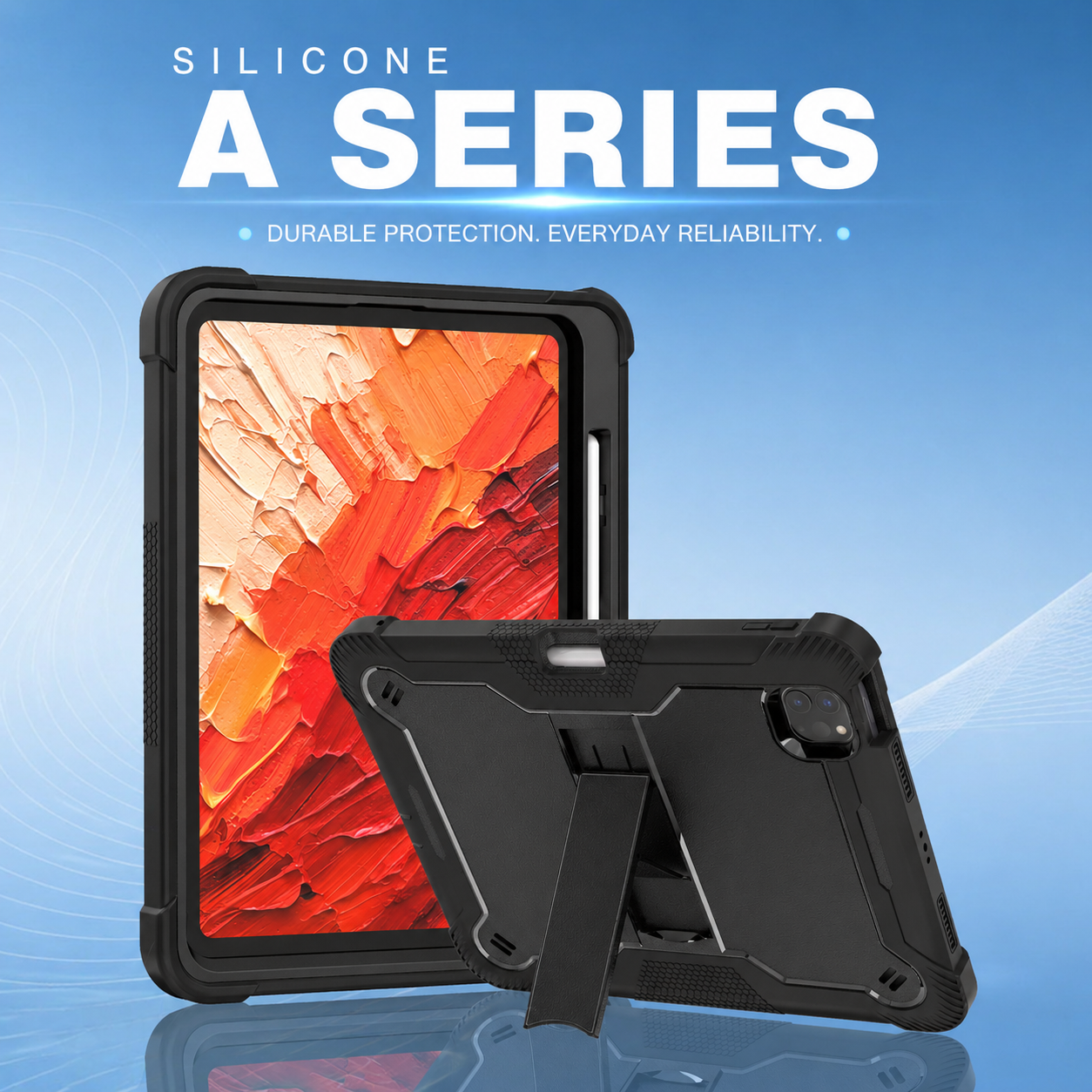

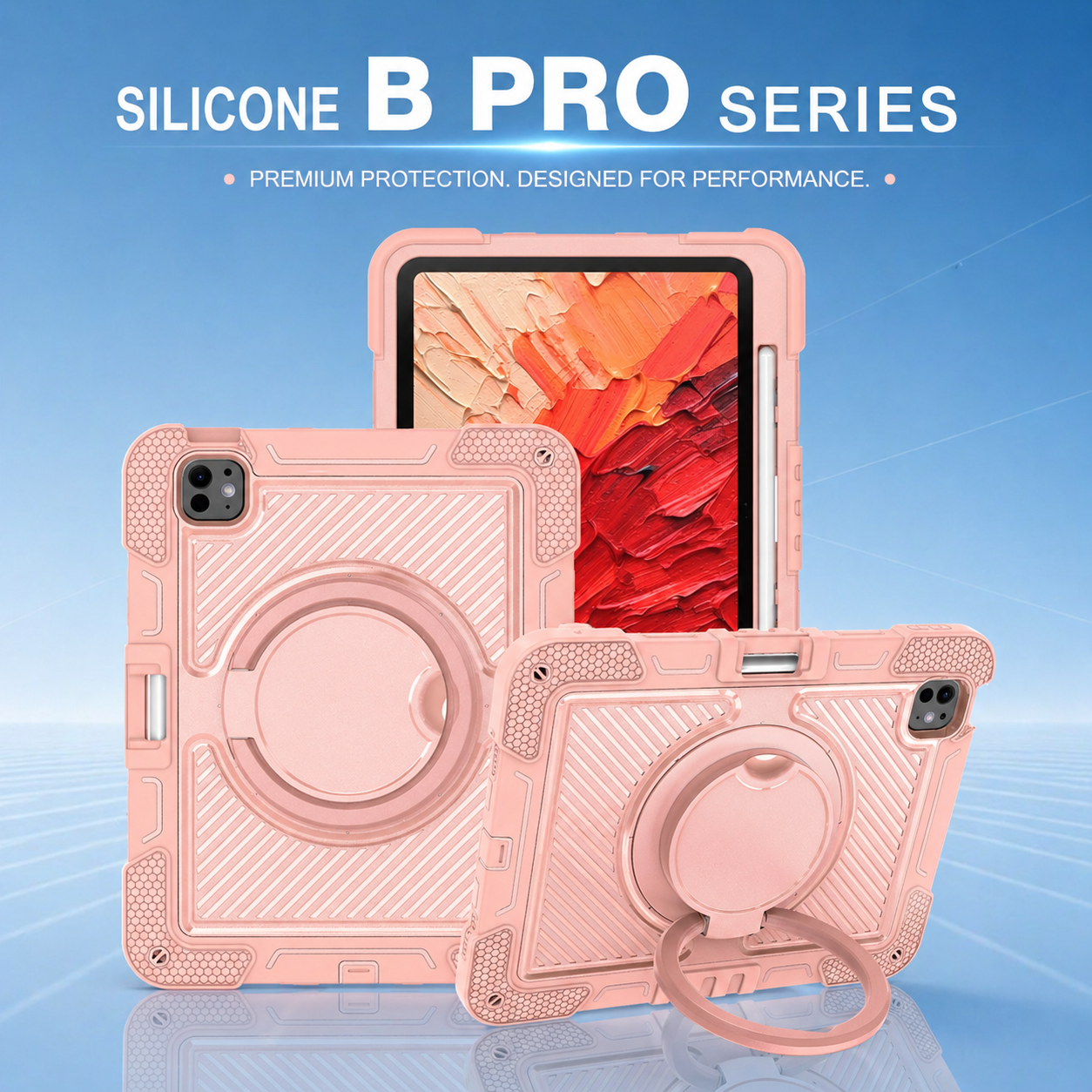
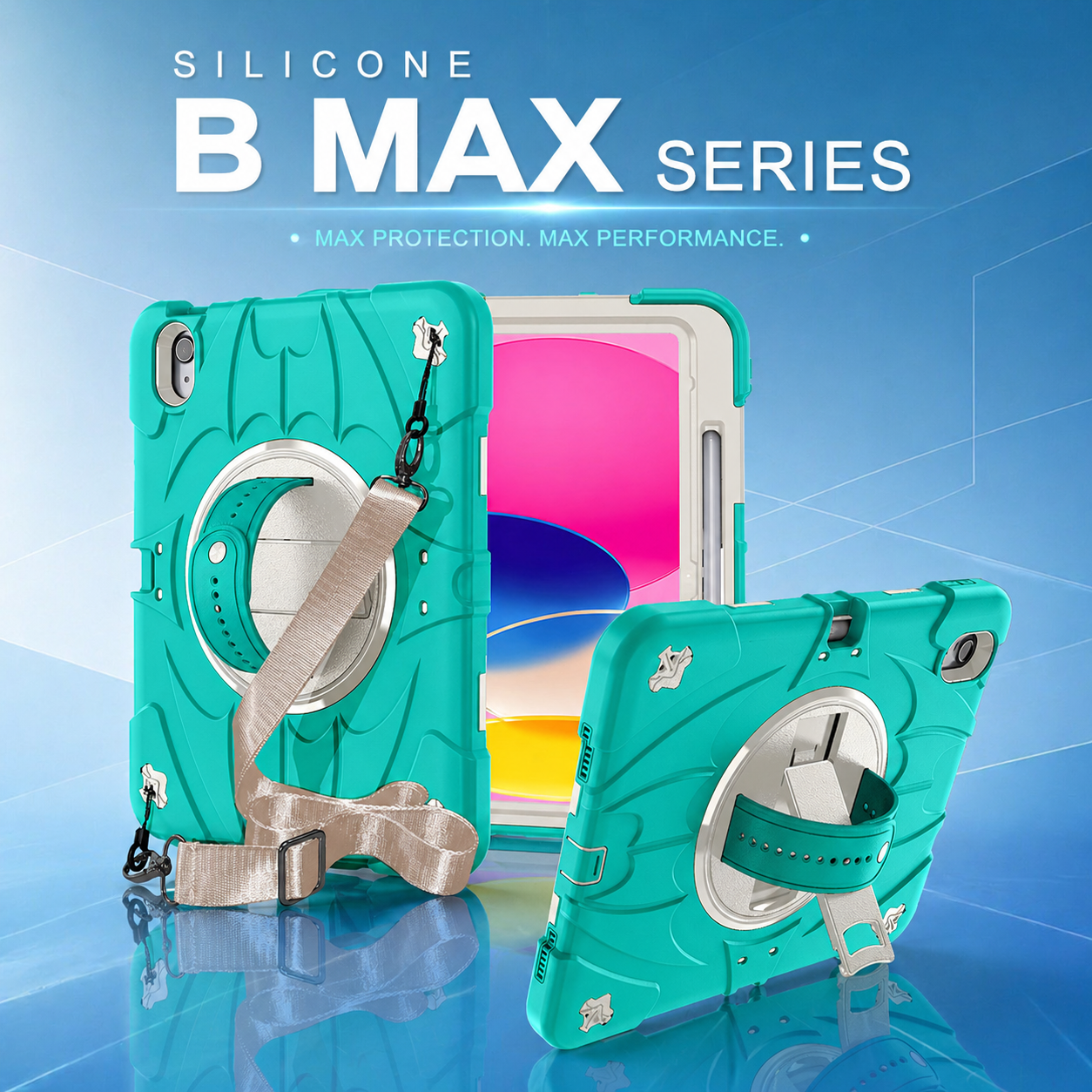
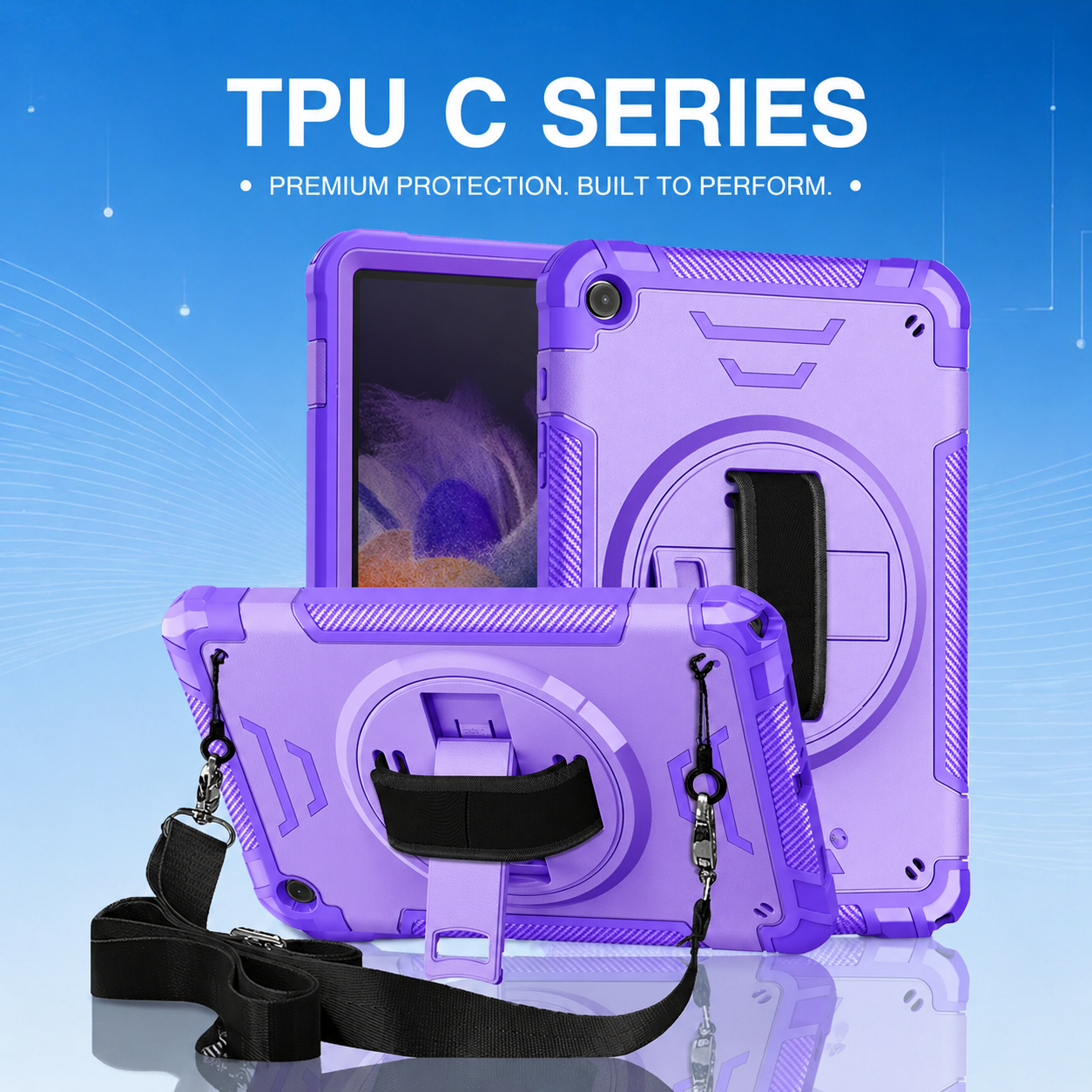
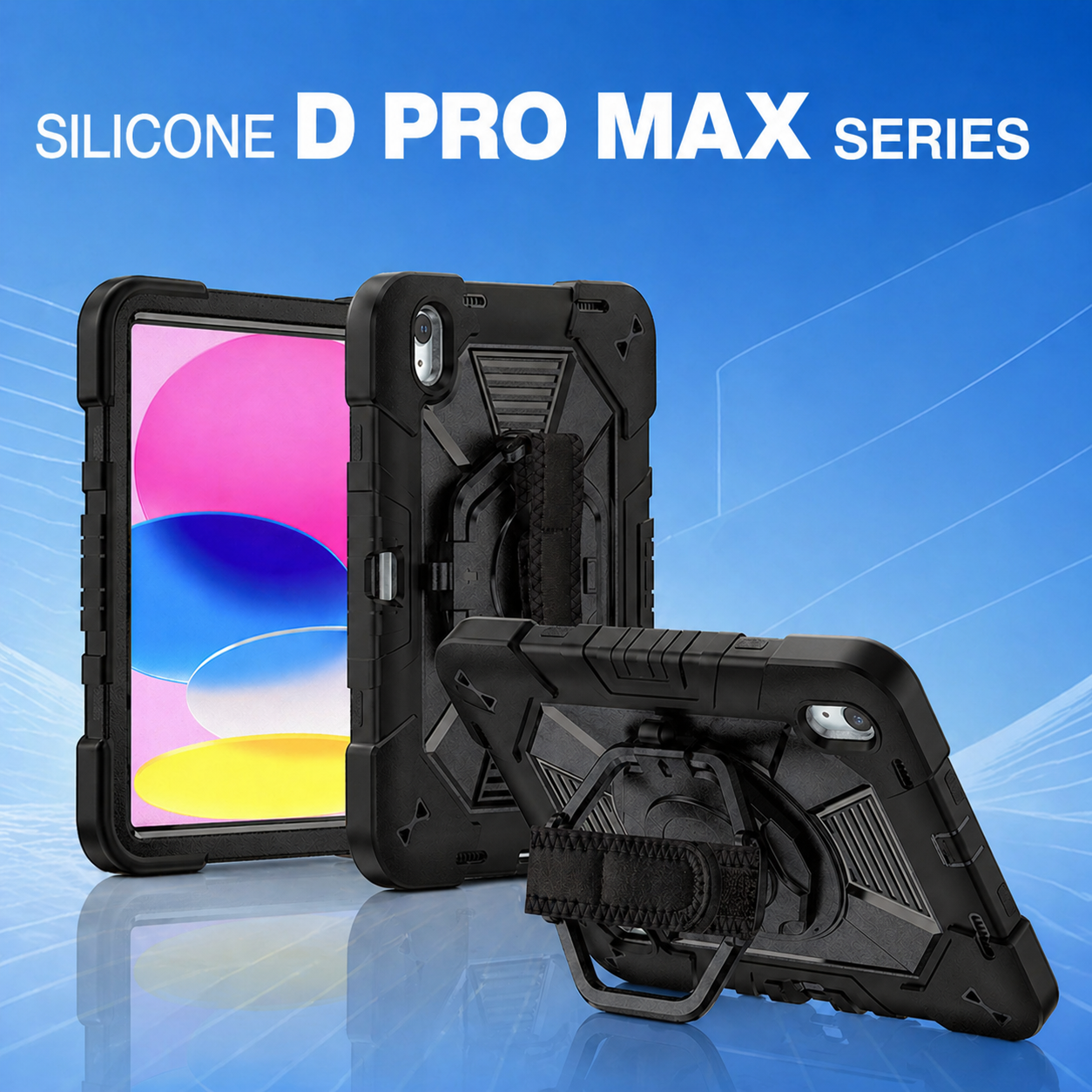
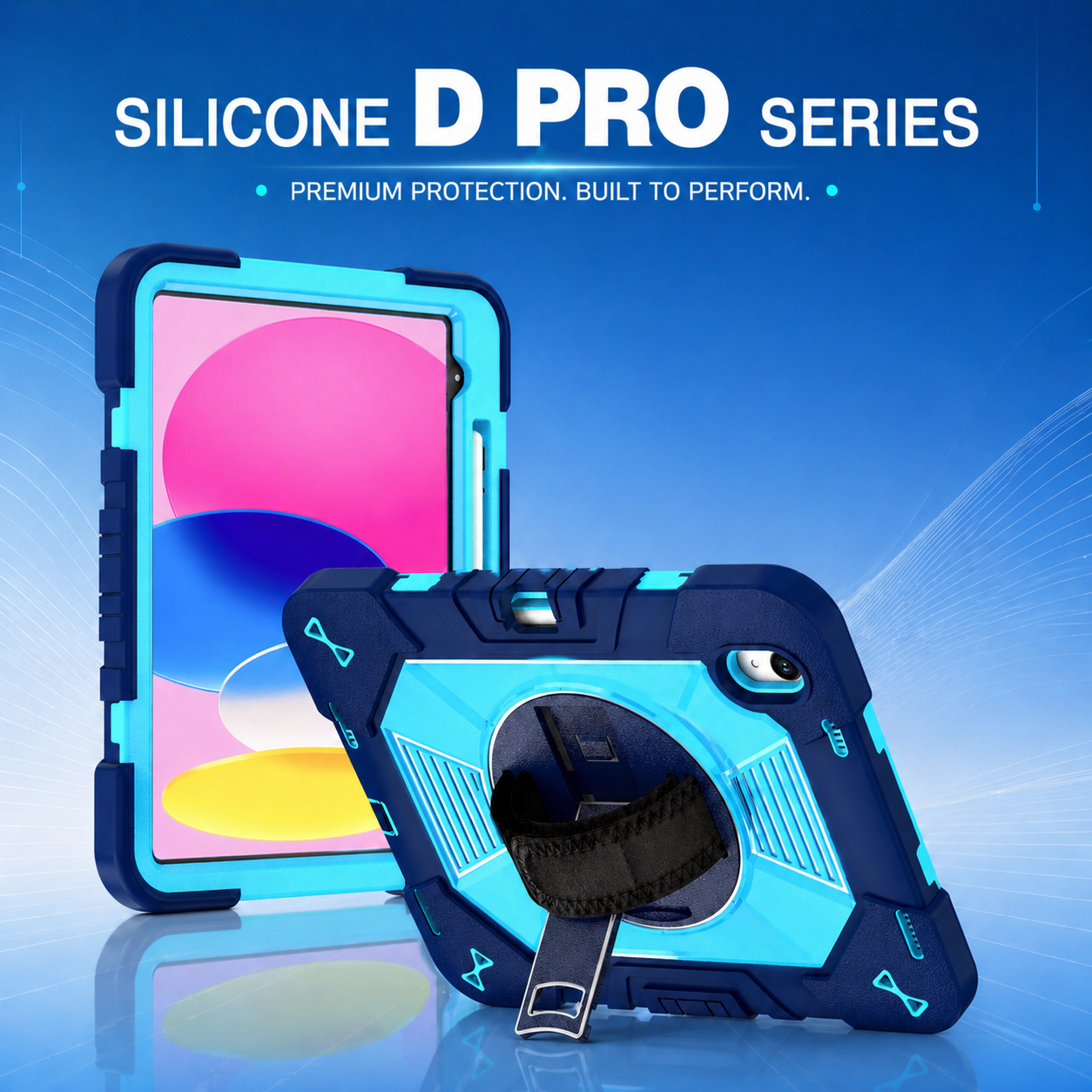
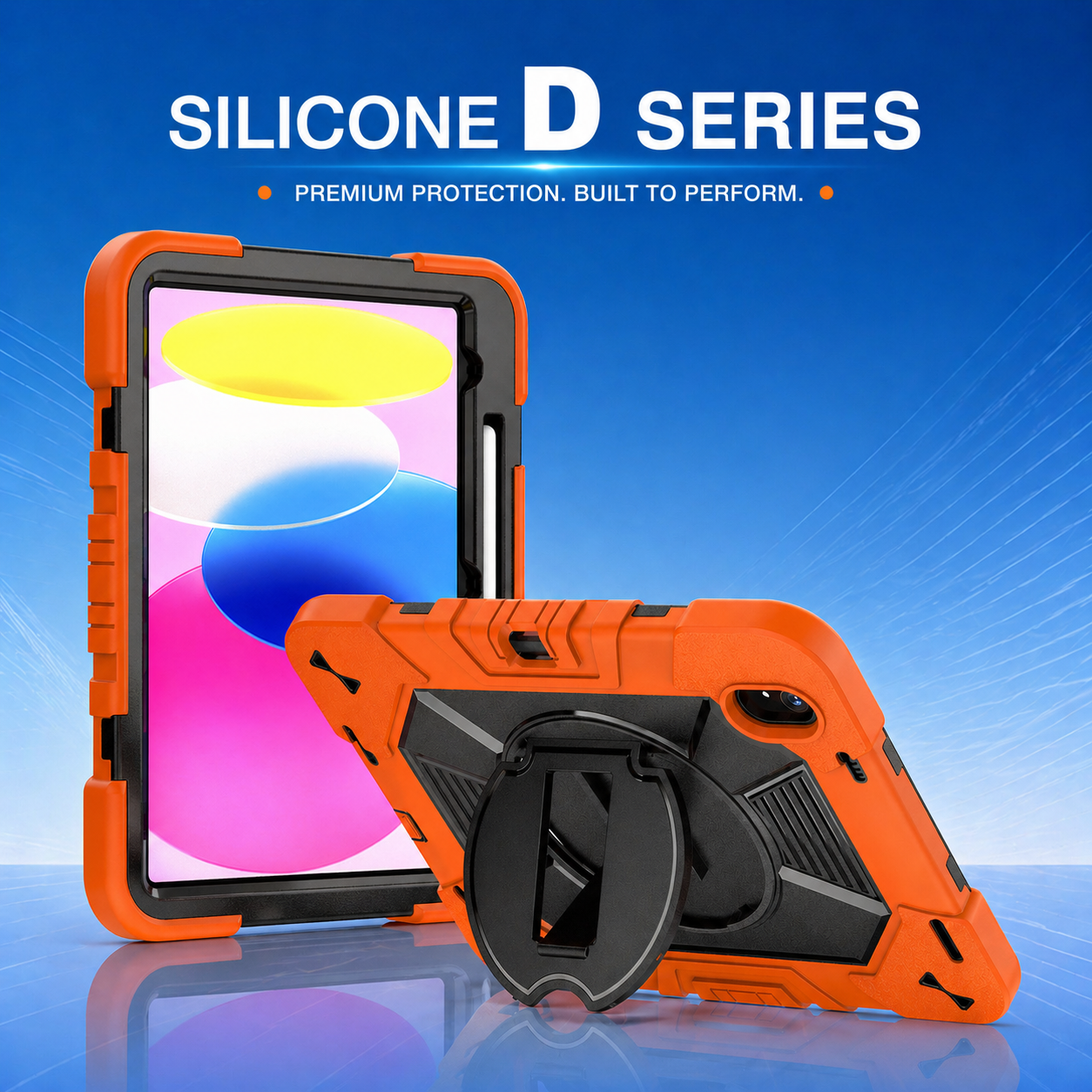

Scaling OEM/ODM Rugged Tablet Case Manufacturing for Enterprise Projects
Moving a rugged tablet case from a validated prototype into repeatable mass production is a different engineering challenge from making the first successful sample. Tooling must remain stable, materials must be available, assembly time must be predictable, quality standards must be measurable, and customer changes must be controlled. For brands and distributors using #OEMTabletCase programs, scale-up is therefore a coordinated manufacturing project rather than a simple purchase order.
1. Freeze the Product Specification Before Volume Production
Before the factory schedules a major run, the buyer and manufacturer should confirm a controlled specification package. It typically includes the tablet model, 3D structure, drawings, approved colors, logo position, surface texture, accessory list, packaging, barcode or labeling requirements, inspection standards, and shipment configuration.
This step prevents small commercial changes from becoming production problems. A new logo size may require a different printing fixture. A thicker instruction booklet may change carton loading. A new hand strap can alter pull-test requirements. Even a color change can require fresh masterbatch approval and visual comparison.
Projects managed through an #ODMManufacturer may involve more supplier-side design work, so design ownership, revision approval, and sample sign-off should be documented clearly. Both parties need to know which version is approved for production and who can authorize changes.
2. Use Pilot Production to Validate the Complete Process
Prototype samples often receive special engineering attention. Mass production cannot depend on that level of manual adjustment. A pilot run is useful because it tests the real manufacturing flow: resin preparation, molding cycle, insert loading, soft-layer processing, trimming, assembly, functional testing, cleaning, packing, and final inspection.
During the pilot, the team records cycle time, defect types, rework rate, assembly bottlenecks, fixture performance, and inspection results. If a rotating stand takes too long to assemble or a soft edge repeatedly produces flash, the issue can be corrected before volume increases.
Pilot lots also provide samples for customer confirmation and internal training. Operators can learn the approved appearance and assembly method, while inspectors can compare actual production variation with the established acceptance criteria.
3. Plan Customization Without Destabilizing the Core Product
One advantage of a modular rugged-case platform is that manufacturers can customize branding, colors, accessories, and packaging while keeping the core protective structure stable. This reduces engineering risk and can shorten preparation time for customers that use the same tablet model.
A kids education tablet case, for example, may need bright color options, easy-grip geometry, a carrying handle, name labeling, or school-specific packaging. An industrial deployment may prioritize shoulder straps, hand straps, vehicle mounting, barcode identification, or glove-friendly texture. The underlying PC and silicone architecture can remain similar while the surrounding feature package changes.
Customization should still be controlled through a bill of materials. Each color, strap, kickstand, screw, label, insert, and carton should have a defined part reference and approved supplier. This prevents similar-looking components from being substituted accidentally during busy production periods.
4. Capacity, Supply Chain, and Change Control
Volume planning begins with realistic cycle time and available equipment. A production schedule must consider mold cavities, injection-machine availability, silicone or elastomer processing, secondary operations, assembly labor, inspection, packaging, and maintenance downtime. Simply multiplying the best observed cycle time by working hours can create an unrealistic shipment plan.
Material lead times also matter. Special PC grades, custom pigments, silicone colors, metal hardware, straps, printed inserts, and retail packaging may arrive on different schedules. A manufacturing partner should identify long-lead items early and align purchasing with the confirmed forecast.
Engineering changes need formal control once production starts. If a buyer requests a new camera opening or the tablet vendor releases a revised device, the manufacturer should evaluate tooling impact, old inventory, work-in-process, packaging, inspection fixtures, and transition timing. Mixing old and new revisions in the same shipment can create costly field confusion.
5. Build Quality and Traceability into Shipment Readiness
Final inspection should confirm the same requirements approved during development. This may include visual standards, dimensions, actual-device fit, button function, charging access, kickstand operation, strap attachment, packaging contents, labels, and quantity. Sampling rules should be known before the goods reach the shipping deadline.
Lot codes can connect finished cases with molding dates, material batches, assembly lines, and inspection records. For enterprise buyers, this traceability is valuable because a reported field issue can be investigated against a specific production history rather than treated as an unknown problem across every shipment.
Packaging also deserves engineering attention. Rugged cases may contain stands, straps, hard corners, or pre-assembled hardware that can scratch neighboring units if packed poorly. Inner bags, trays, dividers, master-carton strength, and pallet configuration should protect both the product and its retail or project presentation.
6. Evaluate the Manufacturer as a Long-Term Program Partner
For repeated OEM and ODM orders, the most important capability is not only making the first batch. Buyers should evaluate whether the supplier can maintain drawings, approved samples, molds, material records, inspection standards, accessory sourcing, and revision history over time.
A mature manufacturing program creates continuity. When a customer adds a new tablet model, the supplier can apply lessons from previous tooling, drop validation, assembly fixtures, and packaging. When demand grows, capacity decisions can be based on documented process data rather than emergency scheduling.
Scaling rugged tablet cases successfully requires the product, process, quality system, and supply chain to grow together. When those elements are coordinated, OEM and ODM programs become easier to repeat across enterprise, education, healthcare, warehouse, logistics, and field-service deployments.
Production chain completed: scalable rugged tablet case manufacturing program






.png)
+86 13422271740
.png)
info@tongmeitech.com
.png)
No. 34, Mashe Section, Guihe Road, Lishui Town, Foshan, Guangdong, China