- 1
- BLACKL
- TABLETAPPLE iPad Mini 8NEW iPad A16(2025) iPad 10.9" 10th (2022) iPad 10.2" (7th/8th/9th) iPad Air 13" (M2/M3/M4)(2024/2025/2026)NEW iPad Air 11" (M2/M3/M4)(2024/2025/2026)NEW iPad Mini 8.3" (A7 Pro/6th Gen) iPad Pro13"(M4/M5)(2024/2025) iPad Pro11"(M4/M5)(2026) iPad 9.7" (5th/6th Gen) iPad Pro 12.9"(2018-2022) iPad Pro 11"(2018-2022) iPad 9.7"(2th/3th/4th) iPad Air 10.9"(4th/5th Gen) iPad Mini 7.9"(4th/5th Gen)SAMSUNG Galaxy Tab A11 Galaxy Tab A11 Plus Galaxy Tab S11 Galaxy Tab S12 PlusNEW Galaxy Tab S12 UltraNEW Galaxy Tab A9+ Galaxy Tab A9 Galaxy Tab A8 Galaxy Tab A7 Galaxy Tab A7 Lite Galaxy Tab S11 Ultra/S10 Ultra/S9 Ultra/S8 Ultra Galaxy Tab S10+/S9+/S9 FE+ Galaxy Tab S10Lite/S10 FE/S9 FE/S9 Galaxy Tab S8+/S7+/S7 FE Galaxy Tab S8/S7 Galaxy Tab S6 lite Galaxy Tab A10.1 Galaxy Tab A8.4 Galaxy Tab A8.0 Galaxy Tab S10 FE+LENOVO iDea tab 11/Tab K11 Gen 2 /Xiaoxin Pad 11 2025 Lenovo Tab K9 (Tab One) 2025 Lenovo Tab M10 10.1"(2025) Lenovo Tab M10 Plus 10.6" (3rd Gen) Lenovo Tab M10 HD 10.1" (3rd Gen) Lenovo K10/M10 Plus 10.3" (2nd Gen) Lenovo Tab M10 HD 10.1" (2nd Gen)XIAOMI Redmi Pad 2 9.7 InchNEW Xiaomi Pad8/8Pro 11.2" Redmi Pad2/Pad2.4G Xiaomi Pad 6/6 Pro 11" Redmi Pad 10.61" Redmi Pad Se 11" Redmi pad Se 4G 8.7" Xiaomi Pad7/7 Pro 11.2" Redmi Pad Pro/Xiaomi Poco Pad/Redmi Pad2 Pro 12.1HUAWEI Huawei Matepad Se 10.4" Huawei Matepad 11" Huawei Matepad 11.5" Huawei Matepad SE 11" Huawei Matepad T8 8" Huawei Matepad T10 9.7"
- CATEGORIES
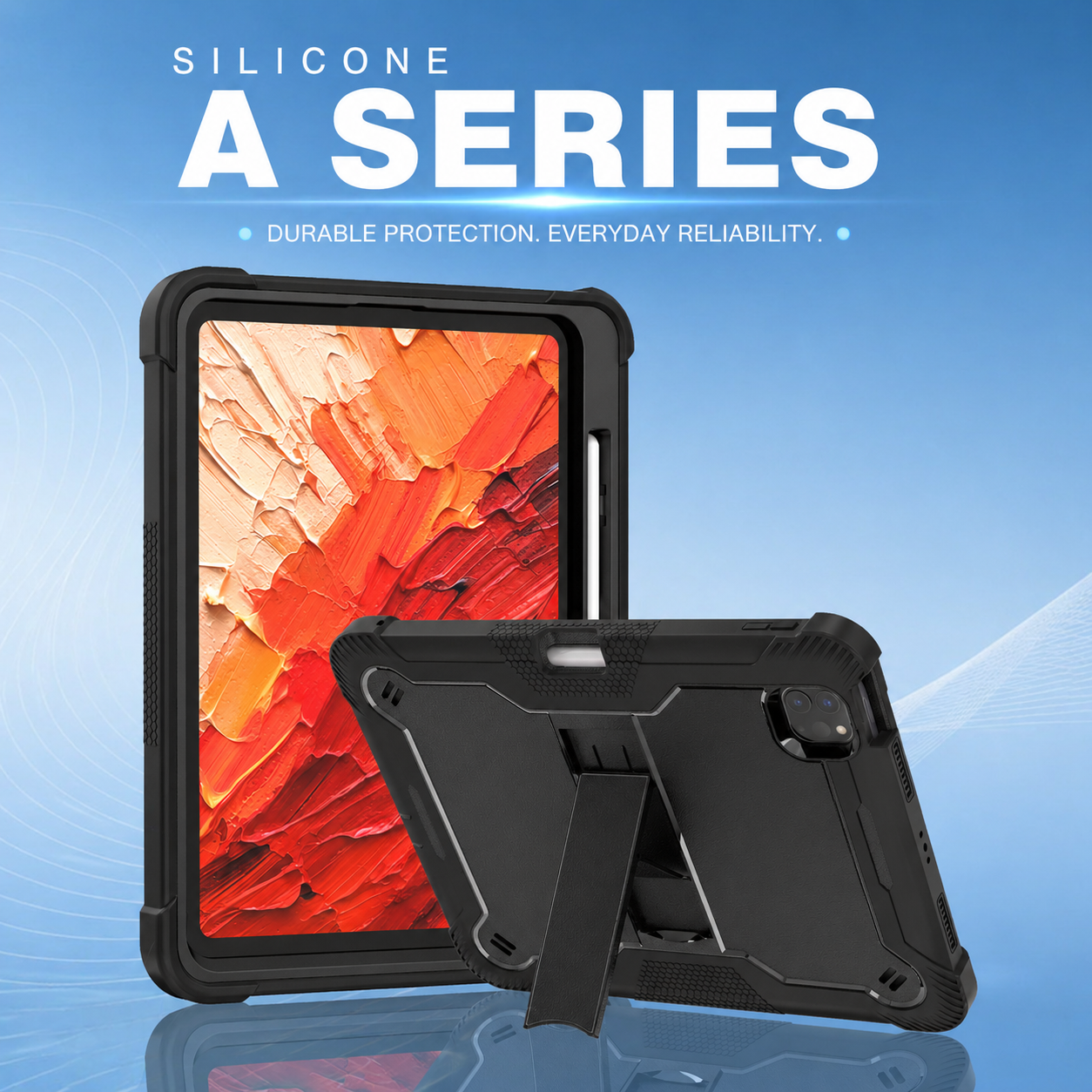
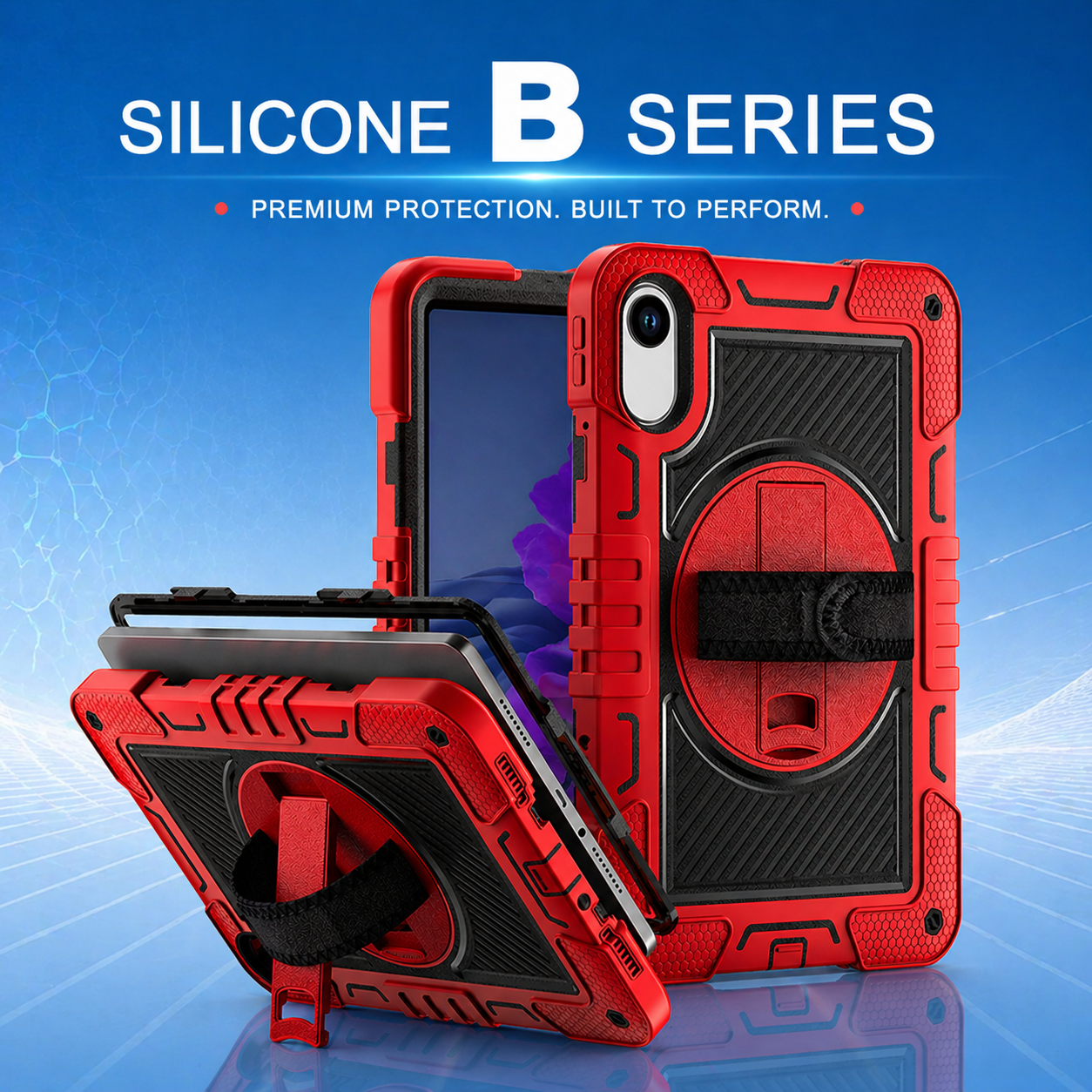
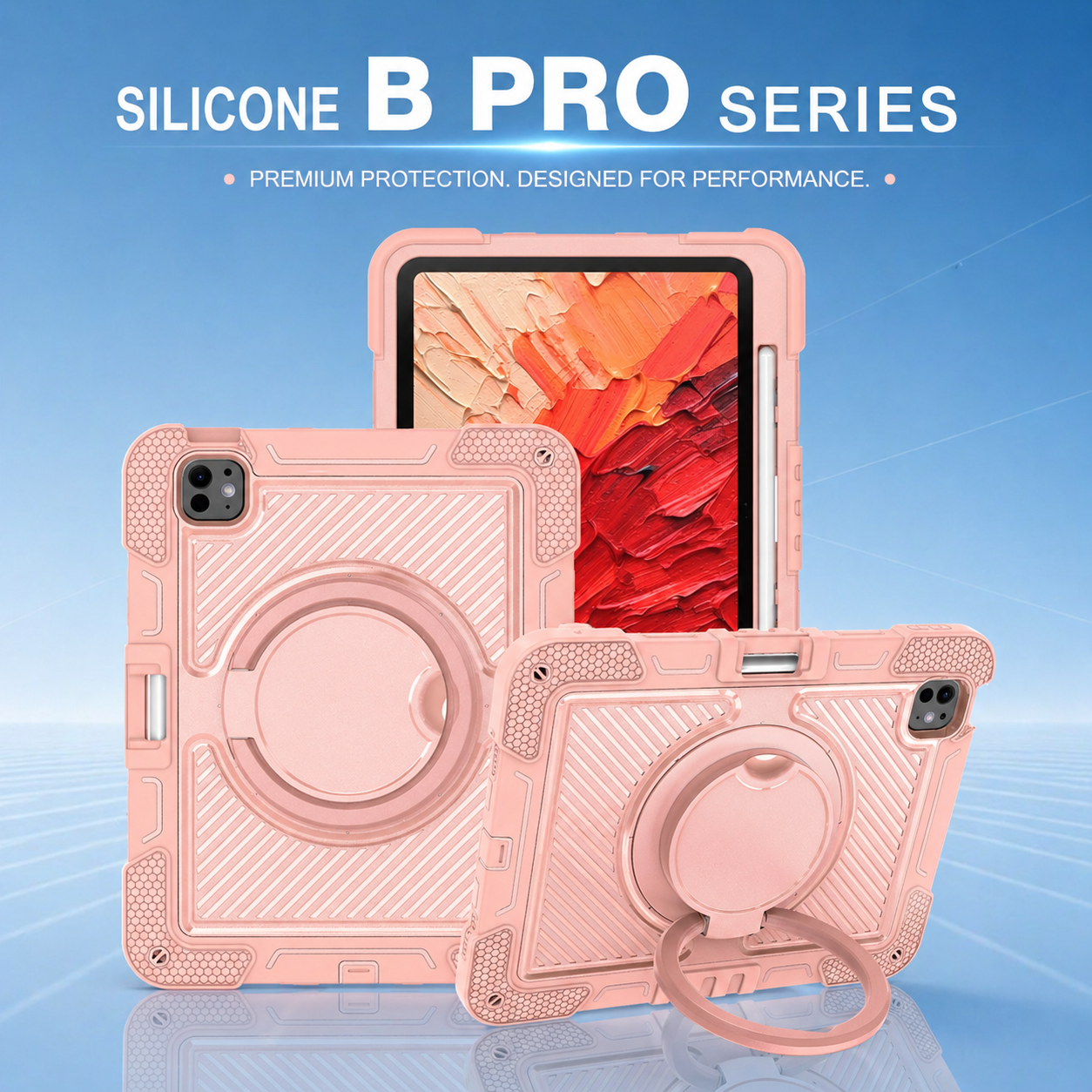
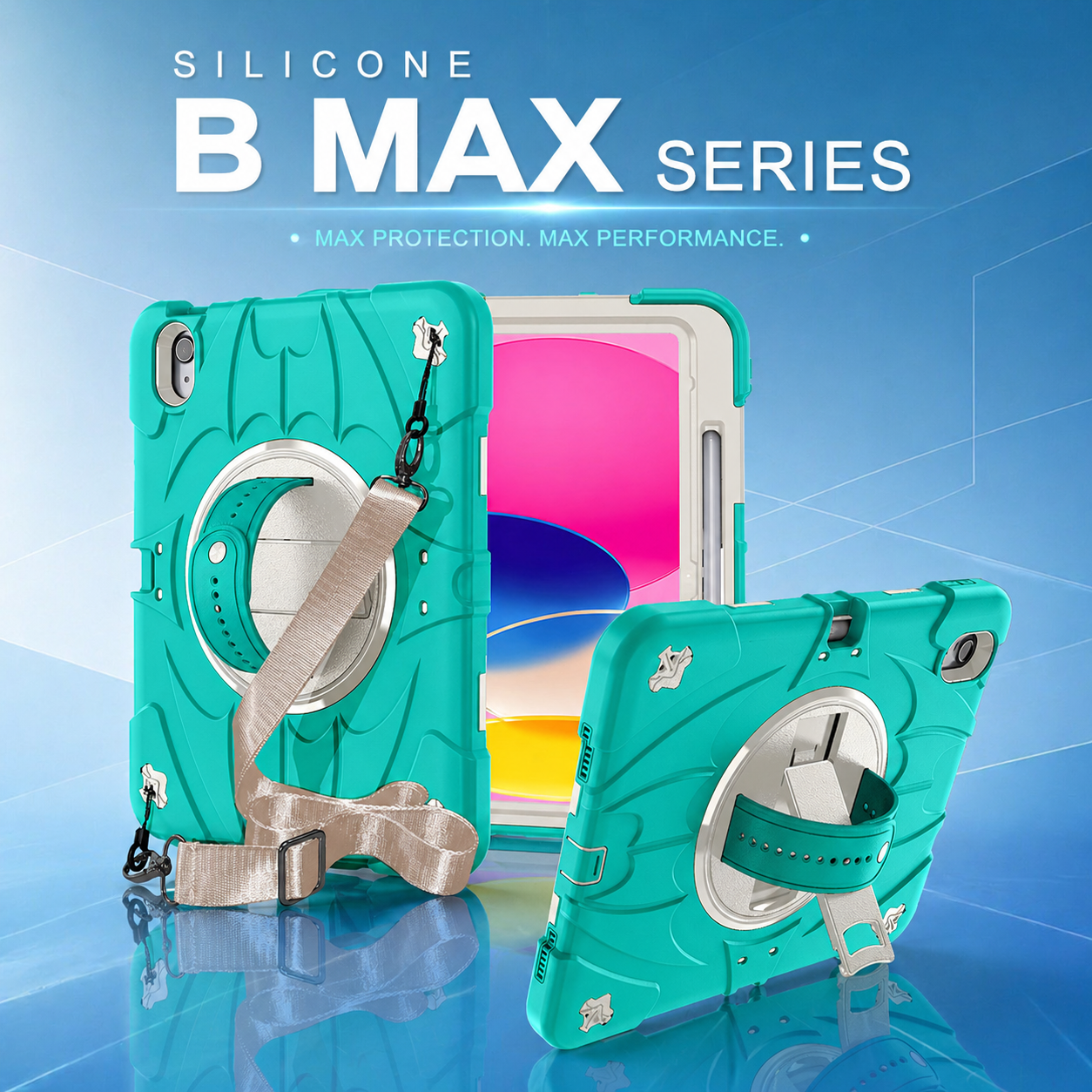
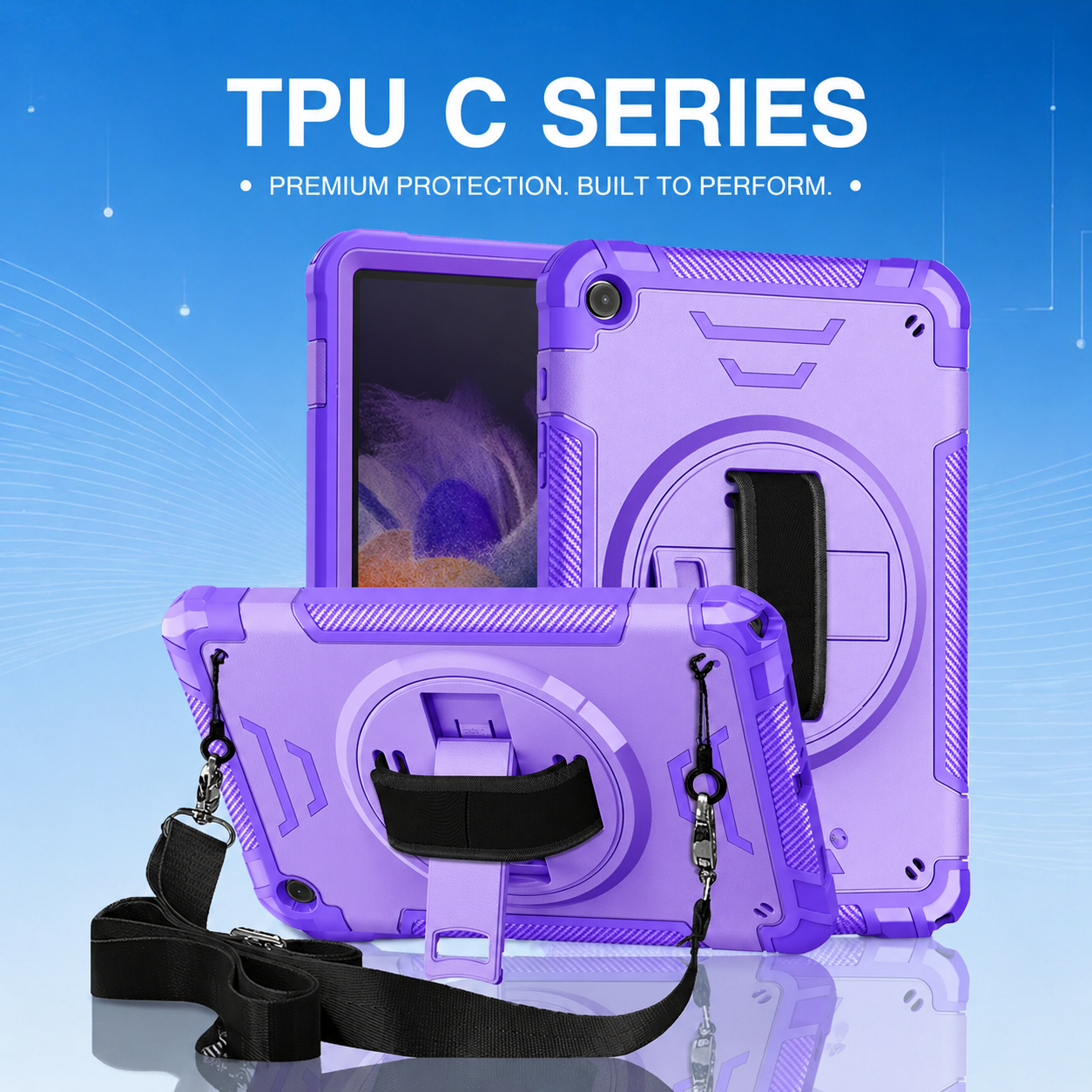
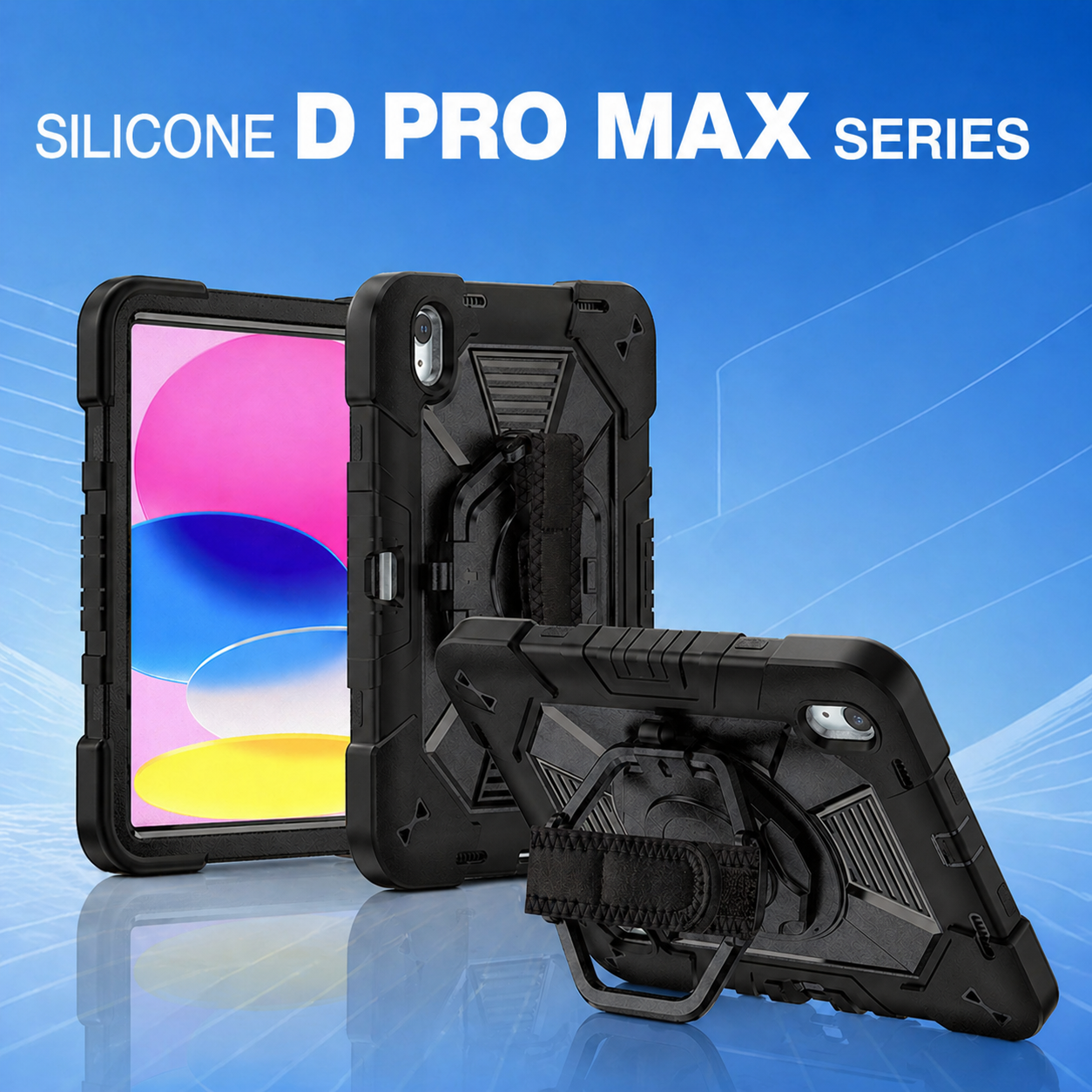
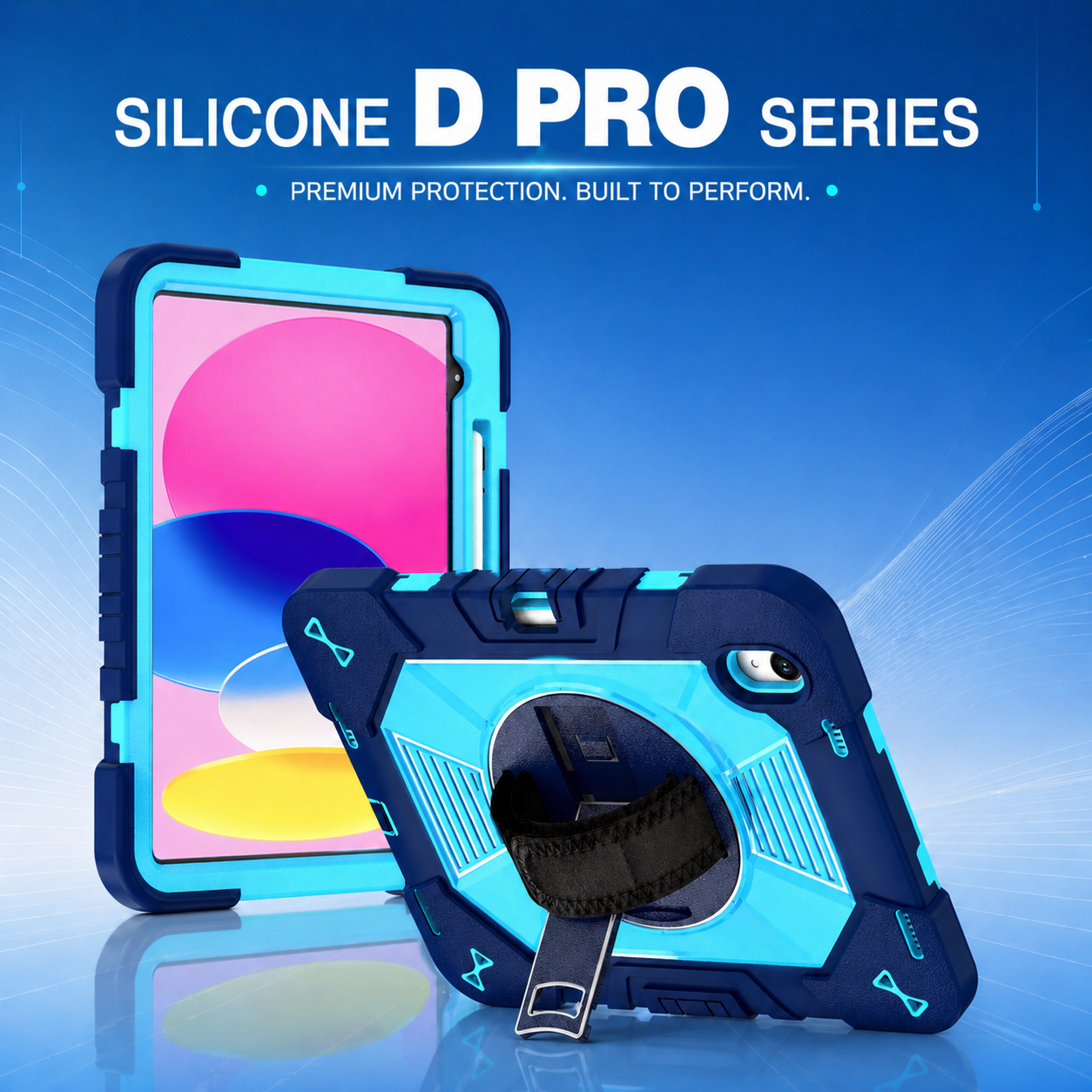
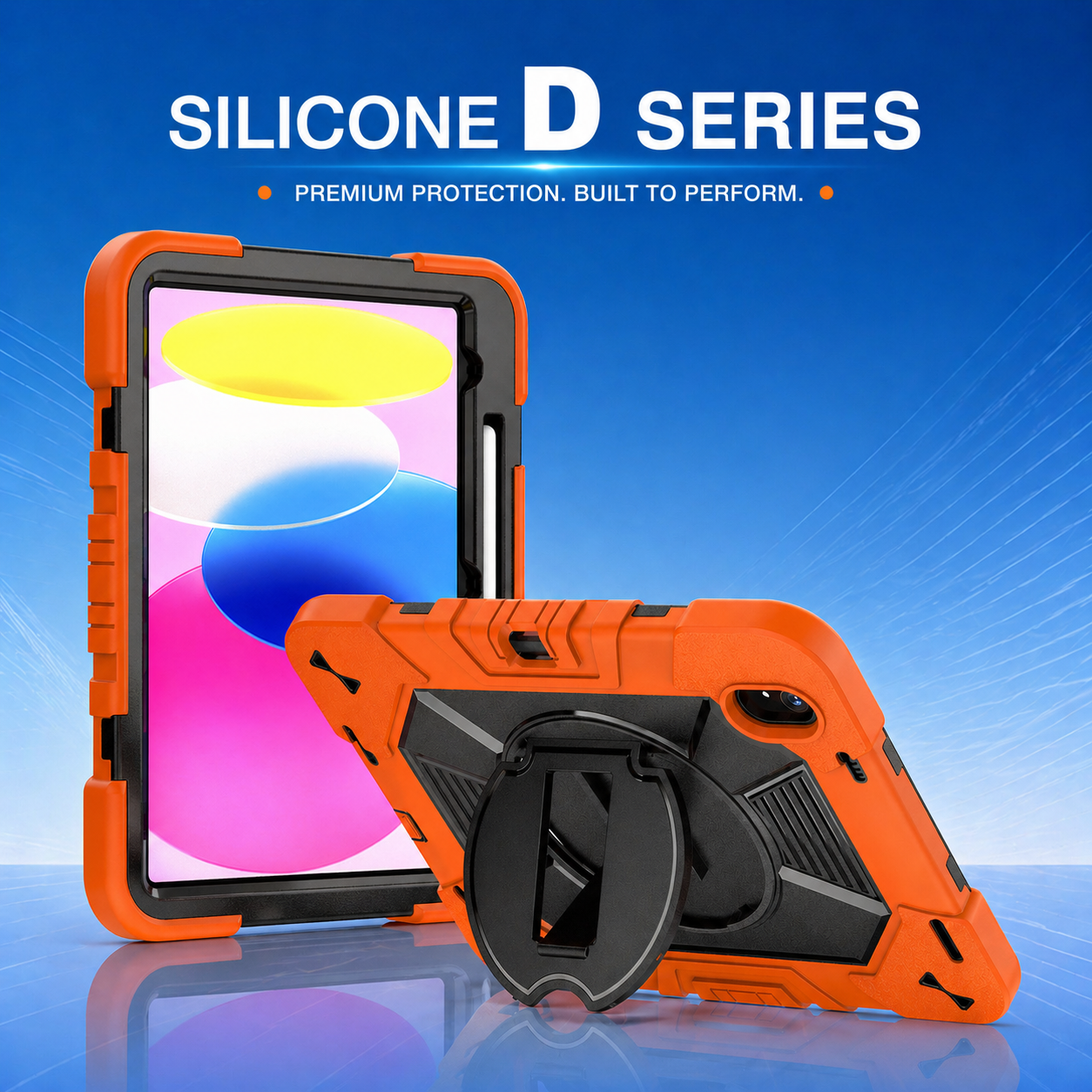

Custom Tablet Case Manufacturing: From Mold Development to Injection Molding
A custom tablet case looks simple from the outside, but reliable mass production depends on a long chain of engineering decisions. Device measurements, CAD geometry, material behavior, mold construction, injection settings, assembly tolerances, and inspection standards all influence the final result. This is especially important when the target product is a rugged tablet case for education, warehouses, field service, healthcare, retail, logistics, or industrial use. A protective case that fits perfectly in a rendering can still fail in production if its tooling and molding strategy are not planned correctly.
1. Start with the Tablet and the Real Use Environment
Capture critical device dimensions
The first step is to build an accurate device model. Engineers need the tablet length, width, thickness, corner radii, camera position, speaker openings, microphones, charging port, buttons, sensors, and accessory interfaces. Small errors can affect installation force or cause buttons and ports to feel misaligned. For custom projects, the case should be validated against the real tablet or a verified 3D model before mold cutting begins.
Define protection and accessory requirements
The use environment determines the design strategy. A classroom case may need a pencil holder and easy-clean surfaces. A warehouse product may require a rotating hand strap, shoulder strap, kickstand, or mounting interface. A rugged tablet case designed for repeated handling should also consider raised screen edges, reinforced corners, anti-slip textures, and stable device retention. These functions should be documented before the tooling quotation because each feature can change mold complexity.
2. Convert the Product Concept into Mold-Ready CAD
Design for molding, not only appearance
Production CAD must account for draft angles, parting lines, undercuts, snap structures, wall thickness, ribs, bosses, ejection, shrinkage, and assembly clearances. A decorative feature that looks attractive may create a difficult undercut. A thick reinforced corner may cool much more slowly than the surrounding wall. Thin button covers may feel responsive but become difficult to mold consistently. Design-for-manufacturing reviews identify these risks early, when changes are still inexpensive.
Balance protection and manufacturability
Protective geometry should distribute impact without creating unnecessary mass. For a rugged tablet case, corners often need additional material or energy-absorbing structures, but simply making every wall thicker can increase weight, cooling time, sink risk, and material consumption. Ribs, local reinforcement, flexible bumpers, and hybrid structures can often deliver better performance than uniform thickness.
3. Mold Development Controls Repeatability
Choose the right mold architecture
The mold determines how material enters the cavity, how trapped gas escapes, how the part cools, and how it is removed. Engineers choose cavity count according to expected volume and capacity. Gate type and location affect filling balance and visible flow marks. Venting helps avoid trapped air and burn defects. Cooling channels must remove heat evenly so the part keeps its intended dimensions after ejection.
Protect critical fit zones
Camera rings, connector openings, button areas, snap interfaces, corner retention points, and accessory mounting features deserve tighter attention than nonfunctional cosmetic zones. During sampling, these areas should be measured and compared with the approved CAD. Stable mold construction allows every production shot to reproduce the geometry needed for reliable tablet fit.
4. Select Materials Before Final Tool Approval
TPU for flexible impact protection
Thermoplastic polyurethane is common in protective cases because it combines flexibility, grip, and shock absorption. Different hardness grades change hand feel, installation force, button response, and shape retention. TPU is often used as a flexible bumper or outer layer in a hybrid protective structure.
PC and rigid materials for structure
Polycarbonate and other rigid polymers can provide a stable shell for stands, clips, rotating mechanisms, and mounting features. A hybrid design may combine a rigid frame with a flexible protective layer. This can improve structural support but requires more tooling, more assembly planning, and tighter interface tolerances. Silicone may also be considered for specific tactile or environmental requirements, but the material choice should always be matched to the product geometry and process.
5. Injection Molding Turns Tooling into a Repeatable Product
Establish a stable process window
After the mold is installed, technicians adjust melt temperature, injection speed, pressure, holding time, cooling time, and ejection. The objective is not to make one perfect sample; it is to define a repeatable process that can produce thousands of acceptable parts. Short shots, flash, sink marks, deformation, flow lines, and inconsistent dimensions indicate that product design, tooling, or molding parameters need correction.
Control cooling and ejection
Cooling usually occupies a major part of the molding cycle. Thick corners and structural sections must cool enough to hold their shape before ejection. If ejection occurs too early, warpage can affect fit and accessory assembly. If cooling is excessive, production cost rises. Ejector placement and draft angles should also prevent drag marks or stretching, particularly on flexible components.
6. Sampling Should Validate the Entire User Experience
Test fit and function
Pre-production samples should be installed on the actual device. Check button response, camera clearance, charging access, speaker alignment, screen edge protection, grip, removal force, stand stability, hand strap security, pencil retention, and any shoulder strap connection. A rugged tablet case should also be evaluated for the protection level expected in its real working environment.
Freeze measurable acceptance standards
Quality approval should include critical dimensions, appearance limits, color, texture, assembly performance, accessory function, packaging, and inspection frequency. These standards become the factory reference during mass production and future repeat orders. Clear criteria reduce subjective disagreements and make it easier to identify process drift before a large quantity is affected.
7. Build the Program for Mass Production, Not Just Sampling
A successful custom tablet case project connects design, tooling, material, molding, assembly, and inspection from the beginning. Early engineering decisions have a direct impact on defect rate, cycle stability, unit cost, and delivery reliability. Buyers should therefore evaluate a supplier not only by sample appearance, but also by its ability to control molds, molding parameters, critical dimensions, accessory assembly, and production documentation.
For OEM and ODM programs, the best result is a product that can be reproduced consistently across thousands of units. That is the real purpose of disciplined mold development and injection molding engineering.
How Injection Molding Quality Control for Custom Rugged Tablet Cases
Next article: rugged tablet case mold engineering.
40 Related SEO Terms: custom tablet cases; custom tablet case manufacturer; custom tablet case mold; tablet case injection molding; rugged tablet case; rugged tablet case manufacturer; protective tablet case; shockproof tablet case; heavy duty tablet case; industrial tablet case; TPU tablet case; polycarbonate tablet case; silicone tablet case; hybrid armor tablet case; tablet case tooling; injection mold design; mold development; mold flow analysis; gate design; cooling channel design; draft angle design; overmolding tablet case; two shot molding; tablet case prototype; tablet case sample; tablet case OEM; tablet case ODM; custom tablet cover; tablet shell manufacturing; drop protection tablet case; reinforced corner tablet case; tablet case with stand; kickstand tablet case; tablet case with hand strap; tablet case with pencil holder; anti slip tablet case; multi angle tablet case; enterprise grade tablet cover; warehouse worker tablet case; outdoor protective tablet case.
Tag (SEO Keywords): custom tablet cases, custom tablet case manufacturer, custom tablet case mold, tablet case injection molding, rugged tablet case, rugged tablet case manufacturer, protective tablet case, shockproof tablet case, heavy duty tablet case, industrial tablet case, TPU tablet case, polycarbonate tablet case, silicone tablet case, hybrid armor tablet case, tablet case tooling, injection mold design, mold development, mold flow analysis, gate design, cooling channel design, draft angle design, overmolding tablet case, two shot molding, tablet case prototype, tablet case sample, tablet case OEM, tablet case ODM, custom tablet cover, tablet shell manufacturing, drop protection tablet case, reinforced corner tablet case, tablet case with stand, kickstand tablet case, tablet case with hand strap, tablet case with pencil holder, anti slip tablet case, multi angle tablet case, enterprise grade tablet cover, warehouse worker tablet case, outdoor protective tablet case.






.png)
+86 13422271740
.png)
info@tongmeitech.com
.png)
No. 34, Mashe Section, Guihe Road, Lishui Town, Foshan, Guangdong, China