- 1
- BLACKL
- TABLETAPPLE iPad Mini 8NEW iPad A16(2025) iPad 10.9" 10th (2022) iPad 10.2" (7th/8th/9th) iPad Air 13" (M2/M3/M4)(2024/2025/2026)NEW iPad Air 11" (M2/M3/M4)(2024/2025/2026)NEW iPad Mini 8.3" (A7 Pro/6th Gen) iPad Pro13"(M4/M5)(2024/2025) iPad Pro11"(M4/M5)(2026) iPad 9.7" (5th/6th Gen) iPad Pro 12.9"(2018-2022) iPad Pro 11"(2018-2022) iPad 9.7"(2th/3th/4th) iPad Air 10.9"(4th/5th Gen) iPad Mini 7.9"(4th/5th Gen)SAMSUNG Galaxy Tab A11 Galaxy Tab A11 Plus Galaxy Tab S11 Galaxy Tab S12 PlusNEW Galaxy Tab S12 UltraNEW Galaxy Tab A9+ Galaxy Tab A9 Galaxy Tab A8 Galaxy Tab A7 Galaxy Tab A7 Lite Galaxy Tab S11 Ultra/S10 Ultra/S9 Ultra/S8 Ultra Galaxy Tab S10+/S9+/S9 FE+ Galaxy Tab S10Lite/S10 FE/S9 FE/S9 Galaxy Tab S8+/S7+/S7 FE Galaxy Tab S8/S7 Galaxy Tab S6 lite Galaxy Tab A10.1 Galaxy Tab A8.4 Galaxy Tab A8.0 Galaxy Tab S10 FE+LENOVO iDea tab 11/Tab K11 Gen 2 /Xiaoxin Pad 11 2025 Lenovo Tab K9 (Tab One) 2025 Lenovo Tab M10 10.1"(2025) Lenovo Tab M10 Plus 10.6" (3rd Gen) Lenovo Tab M10 HD 10.1" (3rd Gen) Lenovo K10/M10 Plus 10.3" (2nd Gen) Lenovo Tab M10 HD 10.1" (2nd Gen)XIAOMI Redmi Pad 2 9.7 InchNEW Xiaomi Pad8/8Pro 11.2" Redmi Pad2/Pad2.4G Xiaomi Pad 6/6 Pro 11" Redmi Pad 10.61" Redmi Pad Se 11" Redmi pad Se 4G 8.7" Xiaomi Pad7/7 Pro 11.2" Redmi Pad Pro/Xiaomi Poco Pad/Redmi Pad2 Pro 12.1HUAWEI Huawei Matepad Se 10.4" Huawei Matepad 11" Huawei Matepad 11.5" Huawei Matepad SE 11" Huawei Matepad T8 8" Huawei Matepad T10 9.7"
- CATEGORIES
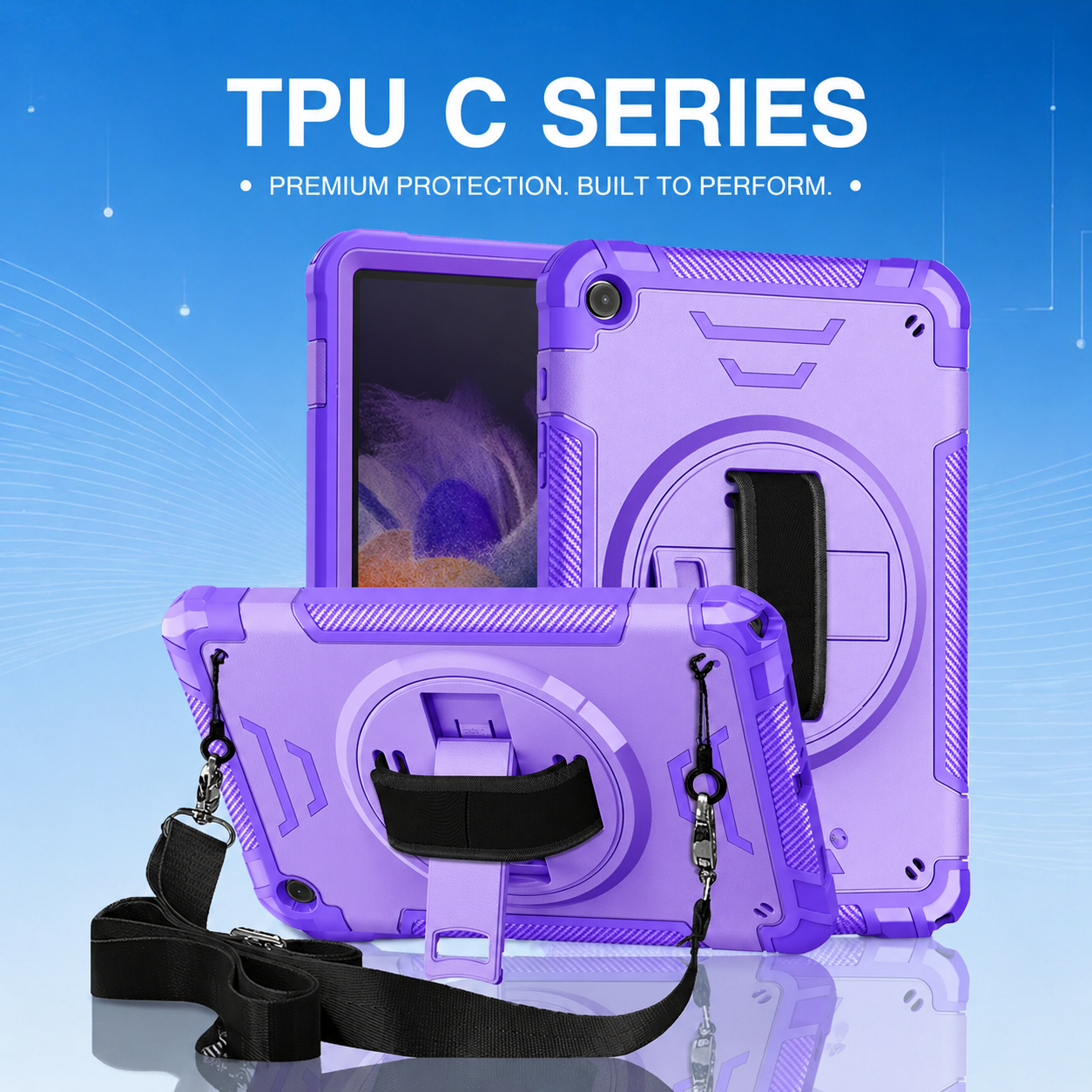
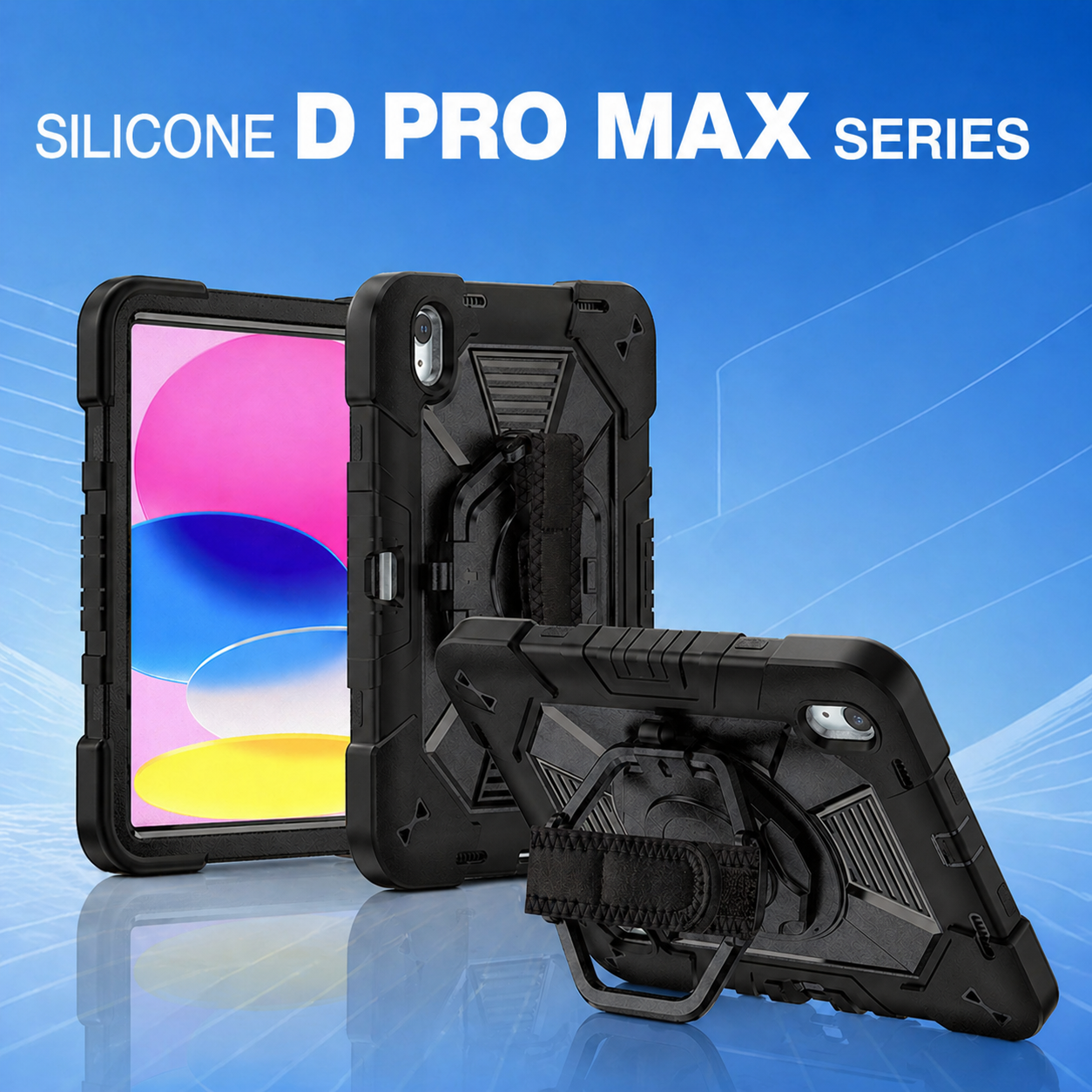
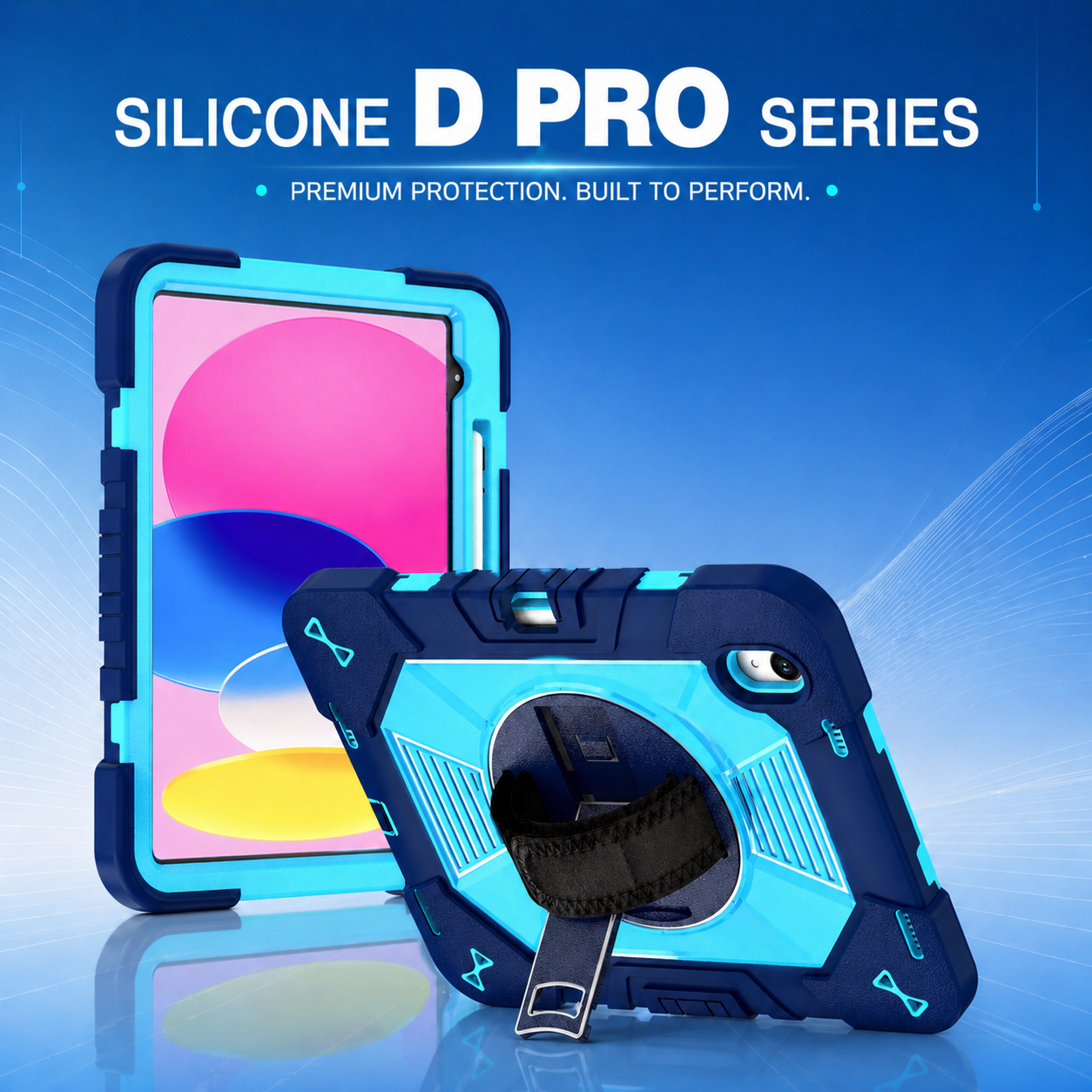
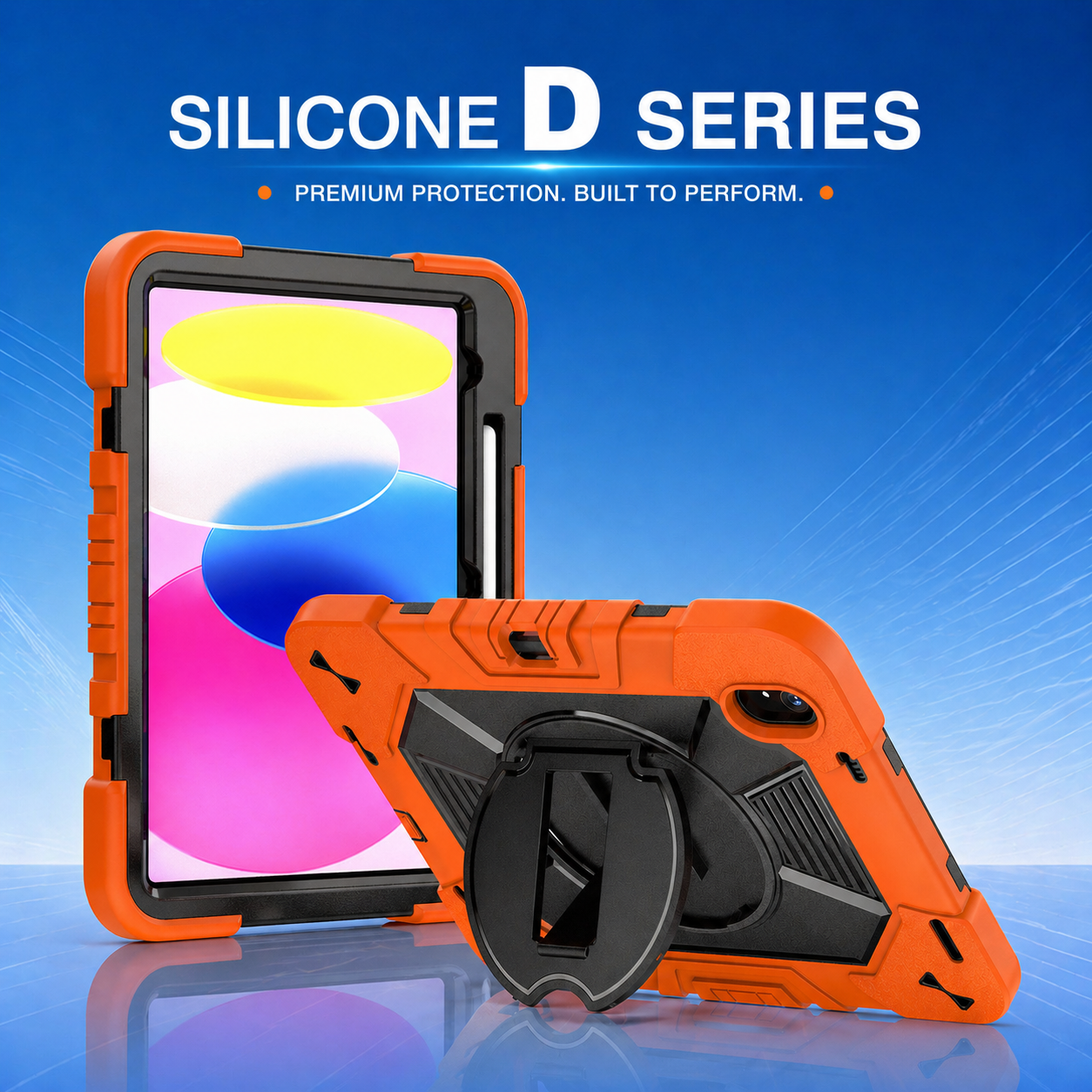

OEM and ODM Rugged Tablet Case Programs for Logistics Fleets
Large logistics fleets rarely have identical requirements across every site. One operation may use tablets on forklifts, another may issue them to delivery drivers, and a third may attach them to mobile workstations. Standard accessories can cover basic needs, but growing deployments often require a coordinated OEM or ODM program. The goal is not customization for its own sake. It is to create a repeatable protection platform that fits the device, workflow, brand, packaging, and supply plan.
Choose the right development path
An OEM program generally starts with an established design that can be adapted through branding, color, packaging, or limited component changes. This route can reduce tooling cost and shorten the schedule. An ODM program goes further, allowing the supplier to change structure, materials, accessories, or the complete industrial design. The best path depends on device volume, required differentiation, launch timing, and how unusual the operating environment is.
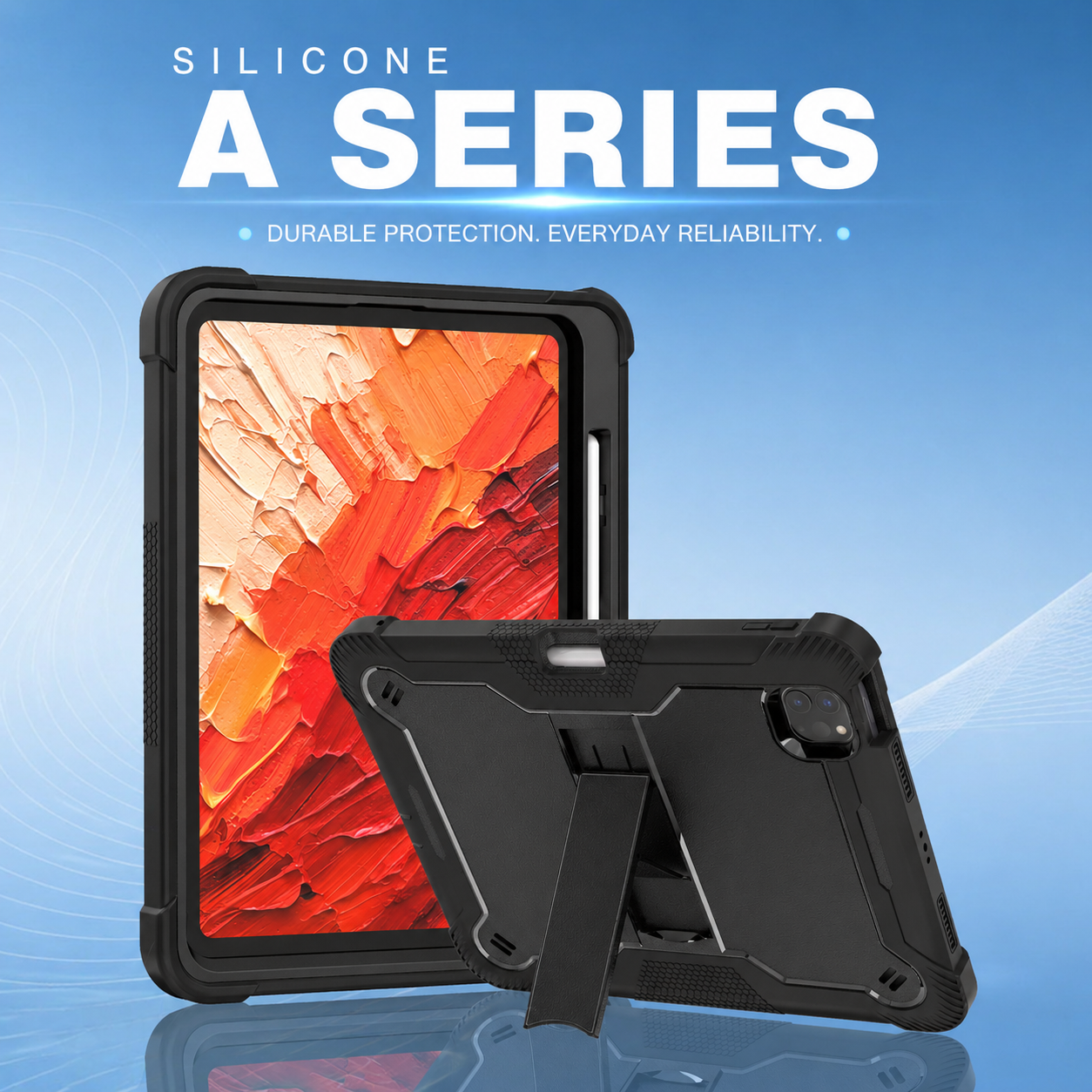
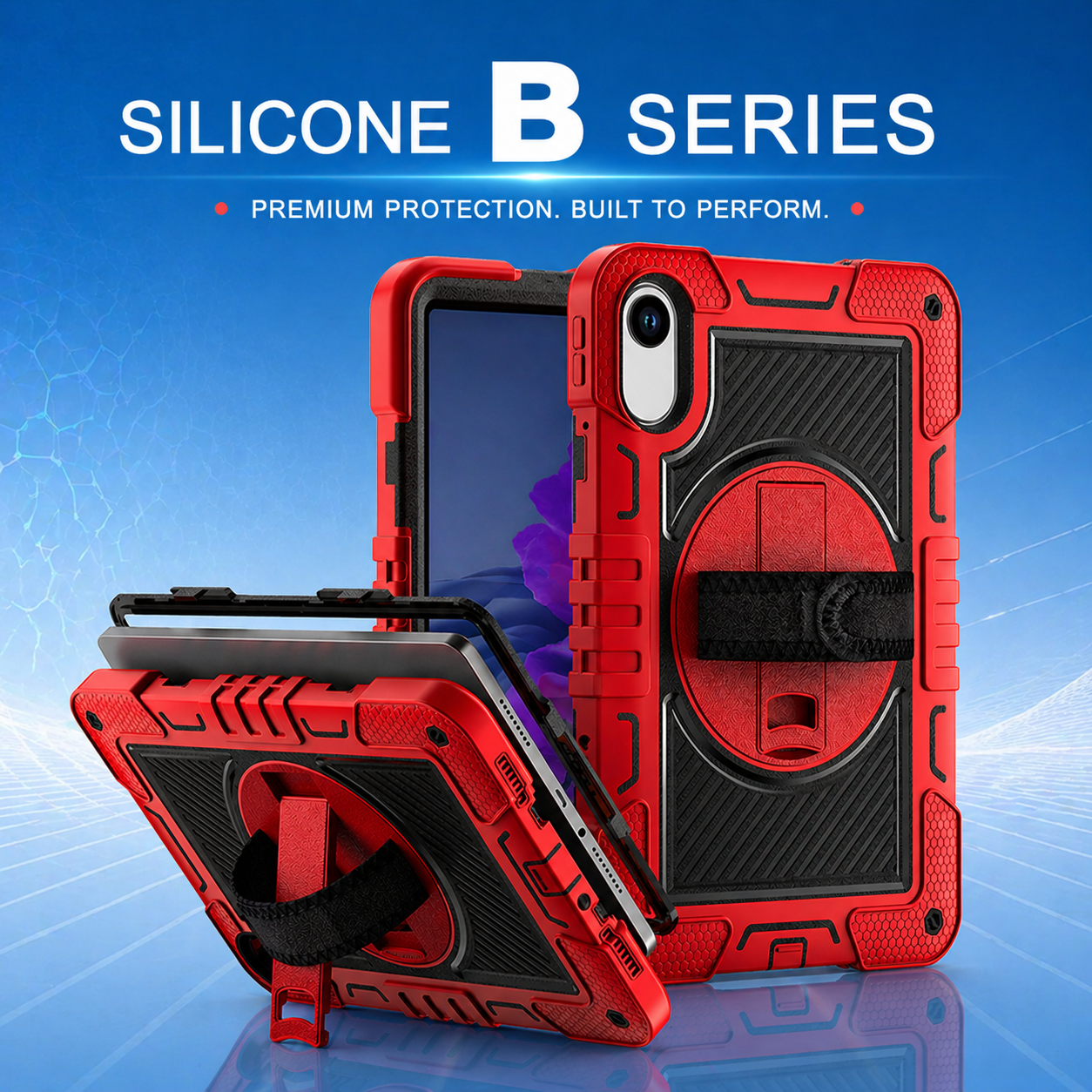
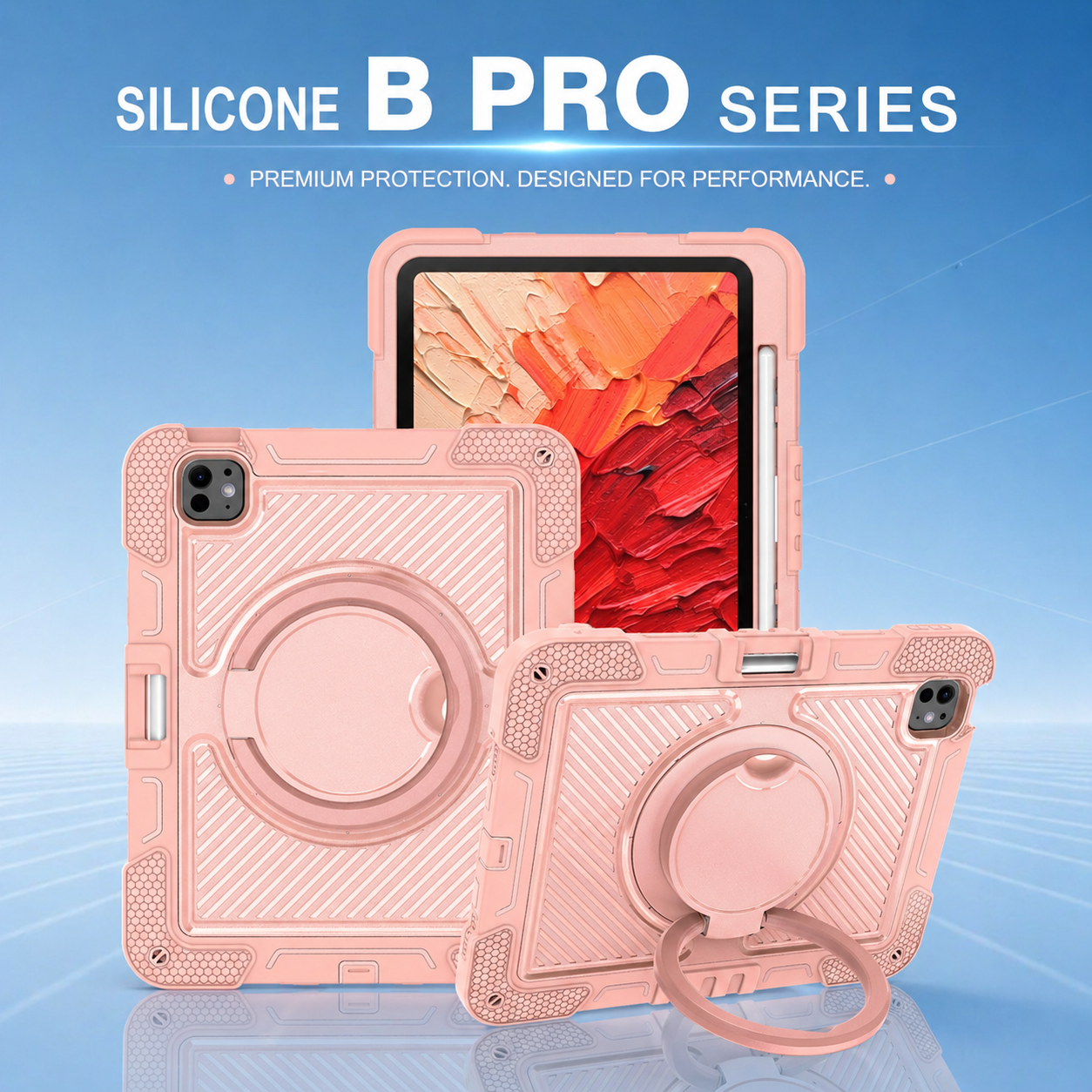
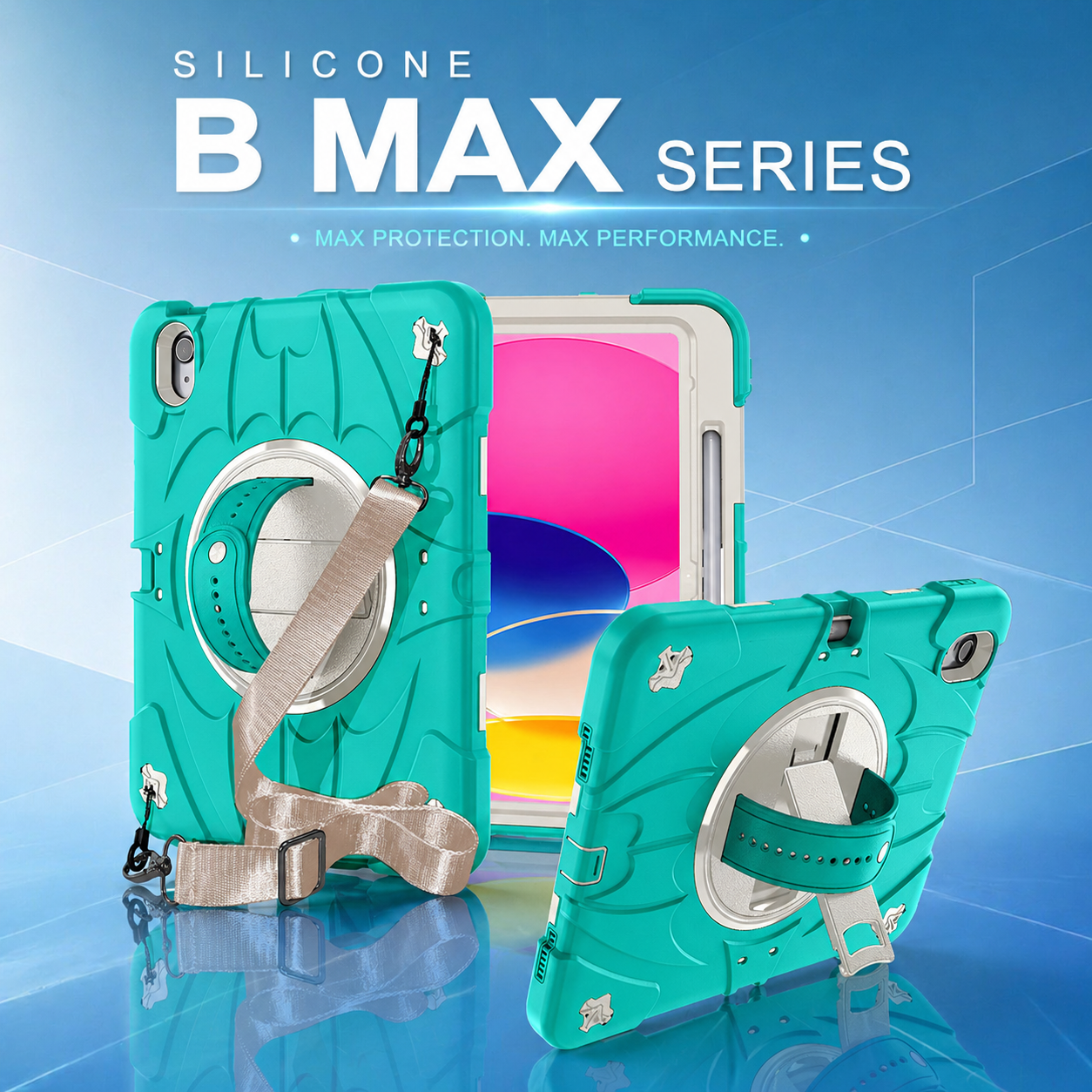
A PC+Silicone tablet case platform may be suitable when the buyer needs a rigid body, impact-absorbing outer layer, and several accessory options. A custom tablet case becomes more valuable when the deployment requires special scanner clearance, vehicle mounting, sealed controls, branded geometry, or an uncommon device model. For high-risk workflows, a 3 layers heavy duty rugged tablet case can separate structural support, impact absorption, and surface grip into dedicated components.
Write a complete product requirement document
Development quality depends on the clarity of the brief. The buyer should specify the exact tablet model, dimensions, regional variants, ports, buttons, cameras, microphones, speakers, sensors, and charging method. Operational requirements should cover target drop height, likely impact surfaces, temperature, dust, cleaning chemicals, glove use, mounting, carrying method, and expected service life. Include packaging, labeling, logo, color, regulatory, and documentation needs from the beginning.
Prioritize requirements rather than declaring every feature mandatory. Maximum protection, minimum weight, the lowest cost, and the fastest schedule may conflict. A ranked list allows the manufacturer to propose sensible tradeoffs. For example, a thicker corner may improve impact performance but prevent use with an existing dock. A sealed port cover may reduce dust exposure but slow frequent charging. These decisions should be made with operations and IT teams, not by purchasing alone.
Use prototypes to remove risk
Early three-dimensional models can confirm device fit, access, and overall geometry. Printed prototypes are useful for checking hand feel, port alignment, scanner clearance, and mounting concepts, although their material behavior may differ from molded production parts. Functional prototypes should then be tested with real tablets and accessories. The buyer should record findings, approve revisions, and maintain version control.
A pilot batch provides another level of confidence. Deploy units to several representative sites and gather structured feedback from workers, supervisors, IT support, and safety personnel. Observe installation and removal, charging, cleaning, strap comfort, kickstand stability, and accidental release from mounts. A signed golden sample should define the appearance, fit, function, packaging, and accessories expected in mass production.
Control tooling and production changes
Custom molds are a major project asset. Contracts should state who owns the tooling, where it is stored, how it is maintained, how many production cycles are expected, and what happens at the end of the program. Tooling modifications should require written approval, especially when they can affect fit or compatibility. Buyers should also understand which components are unique and which are shared with the supplier’s standard platform.
During production, quality controls should address material identity, color, dimensions, surface finish, assembly, accessory function, and packaging. Critical-to-quality dimensions should be listed on drawings and inspection reports. Drop testing should use a documented method with agreed sample quantities and pass criteria. If a material or sub-supplier changes, the manufacturer should notify the buyer and repeat relevant validation.
Design the supply program, not only the product
Enterprise deployments need predictable replenishment. Forecasts should include the initial launch, new employee kits, breakage replacement, site expansion, and device refresh cycles. Packaging can be configured by site, device serial range, or accessory bundle. Spare straps, kickstands, screen protectors, and mounting adapters may be stocked separately to reduce total replacement cost.
For private-label programs, confirm logo method, color standards, artwork approval, carton marks, manuals, and region-specific labels. The supplier should preserve approved files and reference samples so repeat orders remain consistent. It is also useful to agree on an end-of-life notice period for materials, components, or the tablet model itself.
Evaluate the partnership over time
A strong program uses regular performance reviews. Track defects, on-time delivery, response speed, corrective actions, user feedback, and field failure patterns. Share deployment data with the manufacturer so recurring issues can lead to design improvements. The supplier should be able to explain root causes and propose changes with cost, timing, and validation impacts clearly stated.
OEM and ODM development works best when both sides treat the case as part of a larger mobility system. The enclosure must integrate with devices, software workflows, mounts, chargers, packaging, and field support. Once the program structure is defined, material architecture becomes the next major decision. Continue with a comparison of TPU, PC plus silicone, and three-layer tablet case construction.





.png)
+86 13422271740
.png)
info@tongmeitech.com
.png)
No. 34, Mashe Section, Guihe Road, Lishui Town, Foshan, Guangdong, China