- 1
- BLACKL
- TABLETAPPLE iPad Mini 8NEW iPad A16(2025) iPad 10.9" 10th (2022) iPad 10.2" (7th/8th/9th) iPad Air 13" (M2/M3/M4)(2024/2025/2026)NEW iPad Air 11" (M2/M3/M4)(2024/2025/2026)NEW iPad Mini 8.3" (A7 Pro/6th Gen) iPad Pro13"(M4/M5)(2024/2025) iPad Pro11"(M4/M5)(2026) iPad 9.7" (5th/6th Gen) iPad Pro 12.9"(2018-2022) iPad Pro 11"(2018-2022) iPad 9.7"(2th/3th/4th) iPad Air 10.9"(4th/5th Gen) iPad Mini 7.9"(4th/5th Gen)SAMSUNG Galaxy Tab A11 Galaxy Tab A11 Plus Galaxy Tab S11 Galaxy Tab S12 PlusNEW Galaxy Tab S12 UltraNEW Galaxy Tab A9+ Galaxy Tab A9 Galaxy Tab A8 Galaxy Tab A7 Galaxy Tab A7 Lite Galaxy Tab S11 Ultra/S10 Ultra/S9 Ultra/S8 Ultra Galaxy Tab S10+/S9+/S9 FE+ Galaxy Tab S10Lite/S10 FE/S9 FE/S9 Galaxy Tab S8+/S7+/S7 FE Galaxy Tab S8/S7 Galaxy Tab S6 lite Galaxy Tab A10.1 Galaxy Tab A8.4 Galaxy Tab A8.0 Galaxy Tab S10 FE+LENOVO iDea tab 11/Tab K11 Gen 2 /Xiaoxin Pad 11 2025 Lenovo Tab K9 (Tab One) 2025 Lenovo Tab M10 10.1"(2025) Lenovo Tab M10 Plus 10.6" (3rd Gen) Lenovo Tab M10 HD 10.1" (3rd Gen) Lenovo K10/M10 Plus 10.3" (2nd Gen) Lenovo Tab M10 HD 10.1" (2nd Gen)XIAOMI Redmi Pad 2 9.7 InchNEW Xiaomi Pad8/8Pro 11.2" Redmi Pad2/Pad2.4G Xiaomi Pad 6/6 Pro 11" Redmi Pad 10.61" Redmi Pad Se 11" Redmi pad Se 4G 8.7" Xiaomi Pad7/7 Pro 11.2" Redmi Pad Pro/Xiaomi Poco Pad/Redmi Pad2 Pro 12.1HUAWEI Huawei Matepad Se 10.4" Huawei Matepad 11" Huawei Matepad 11.5" Huawei Matepad SE 11" Huawei Matepad T8 8" Huawei Matepad T10 9.7"
- CATEGORIES
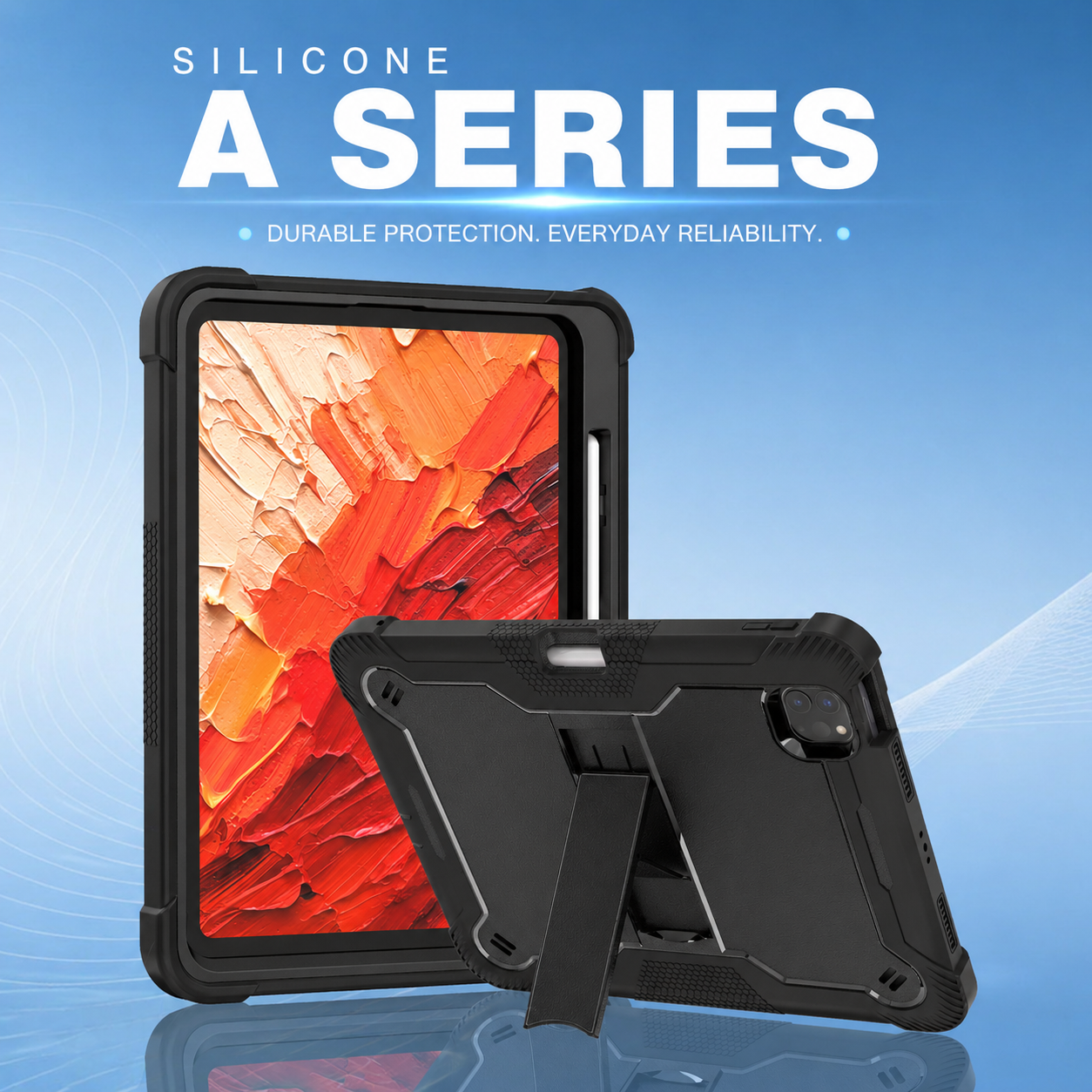
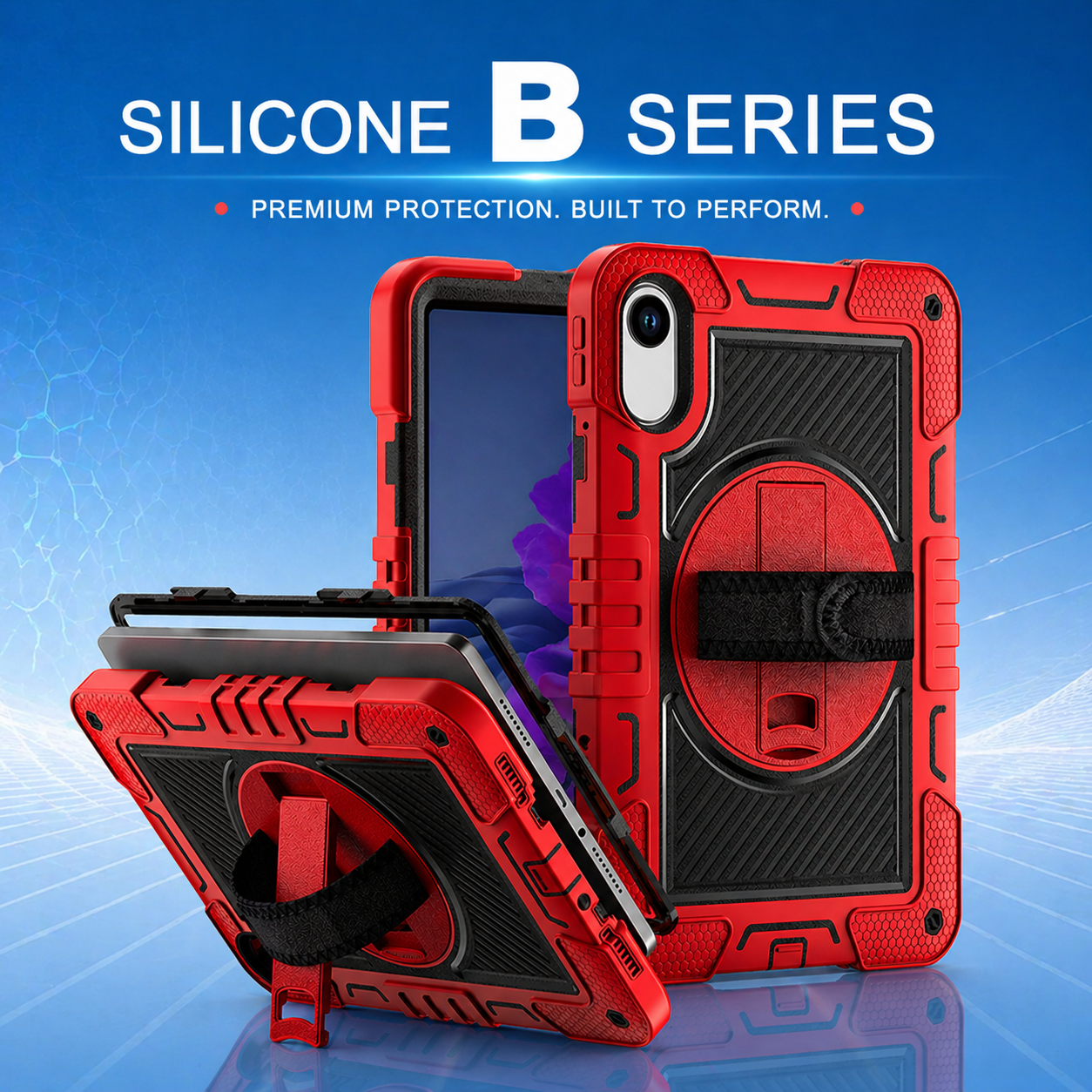
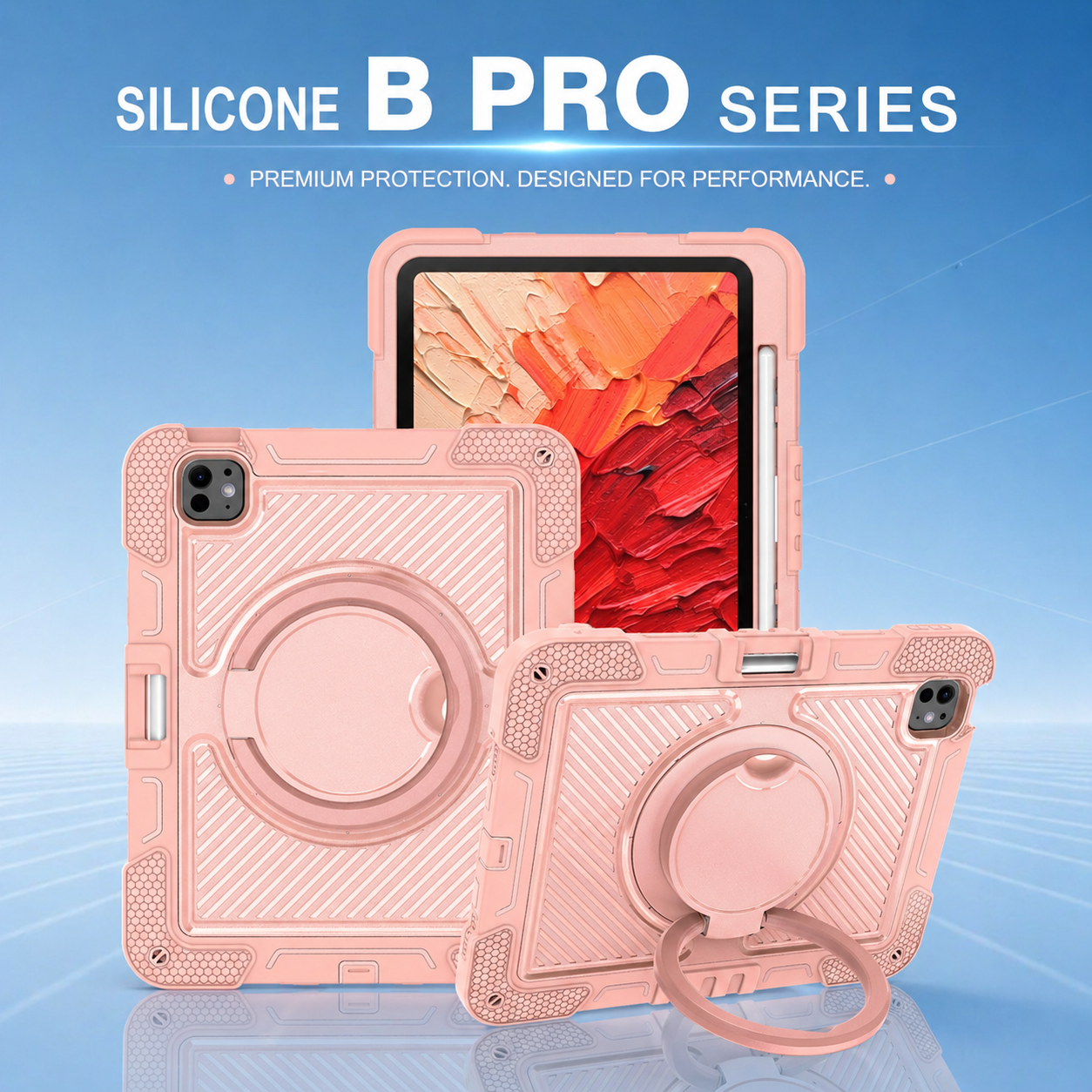
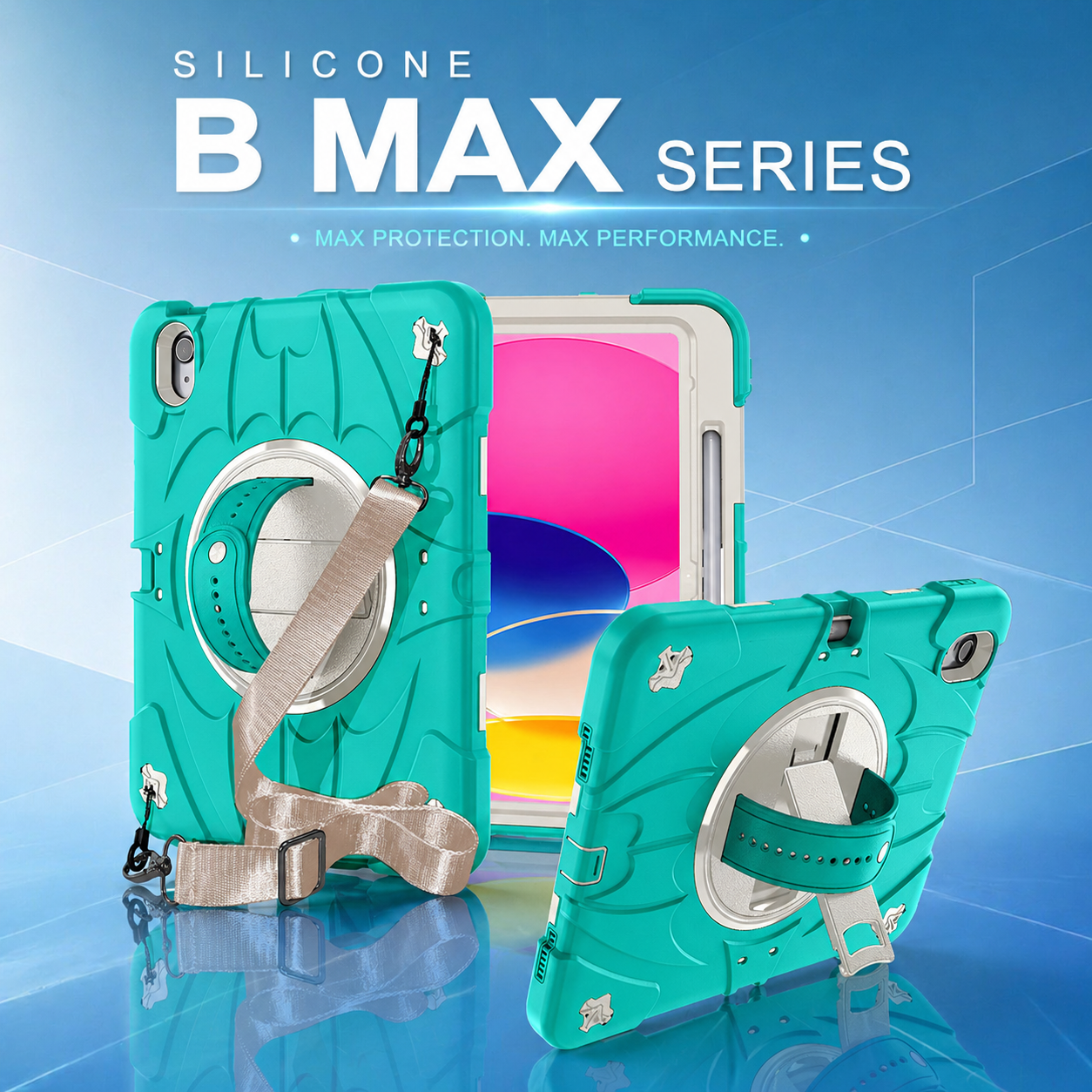

The Evolution of Rugged Tablet Cases in Smart Classrooms
The global education sector is entering a new phase of digital transformation. Smart classrooms, hybrid learning, and one-to-one tablet programs are driving unprecedented demand for advanced device protection solutions. Over the next five years, industry experts predict rapid growth in the adoption of the rugged tablet case market, especially among K-12 schools and educational institutions focused on long-term device sustainability.
As tablets become core learning tools, schools are realizing that device protection is no longer optional. The increasing use of interactive learning platforms, educational apps, and cloud-based collaboration has significantly increased daily tablet usage among students. Consequently, the need for durable accessories such as the heavy duty rugged Case has become critical.
Rising Demand for Educational Device Protection
Educational tablets face constant exposure to accidental drops, impacts, spills, and rough handling. Younger students in particular require stronger protective solutions due to the intensive nature of classroom activities. This is why the kids education tablet case segment is expected to experience one of the highest growth rates in the education accessories industry.
A growing number of school districts now include rugged protection as part of their standard procurement strategy. Decision-makers recognize that replacing damaged tablets repeatedly is far more expensive than investing in preventive protection solutions.
Several factors are contributing to this growing demand:
Expansion of digital classrooms
Increased student tablet ownership
Budget pressure to extend device lifespan
Remote and hybrid learning growth
Government investment in educational technology
Industry forecasts indicate that rugged protection accessories could become standard equipment for over 75% of educational tablets by 2031.
Advanced Materials Shaping Future Product Design
Modern rugged protection solutions are evolving beyond simple hard-shell covers. Manufacturers are now combining durability, flexibility, and comfort to improve the overall learning experience.
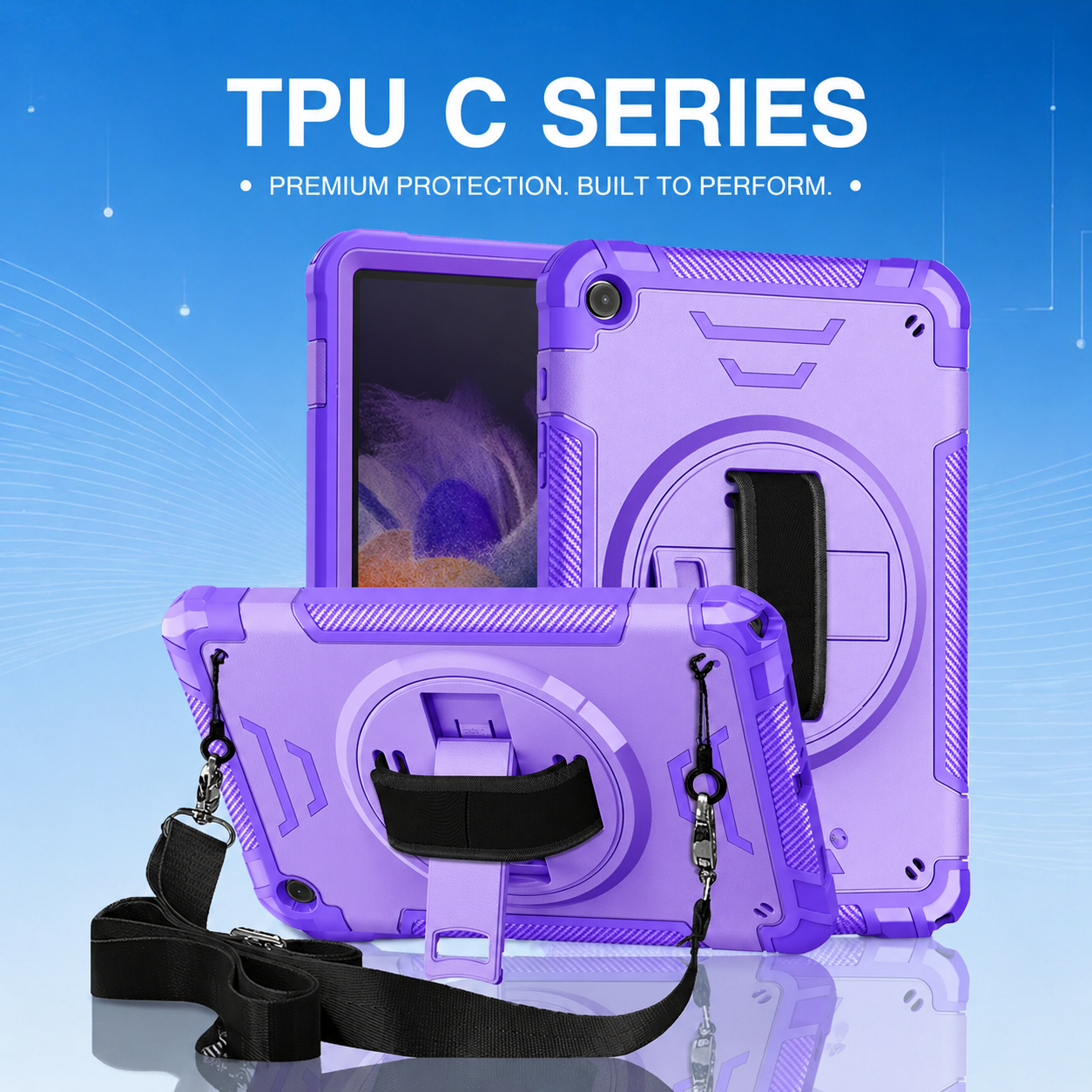
One of the most popular innovations is the TPU tablet case, which provides excellent shock absorption while maintaining a lightweight structure. TPU materials are especially suitable for educational environments because they offer flexibility, anti-slip grip, and improved impact resistance.
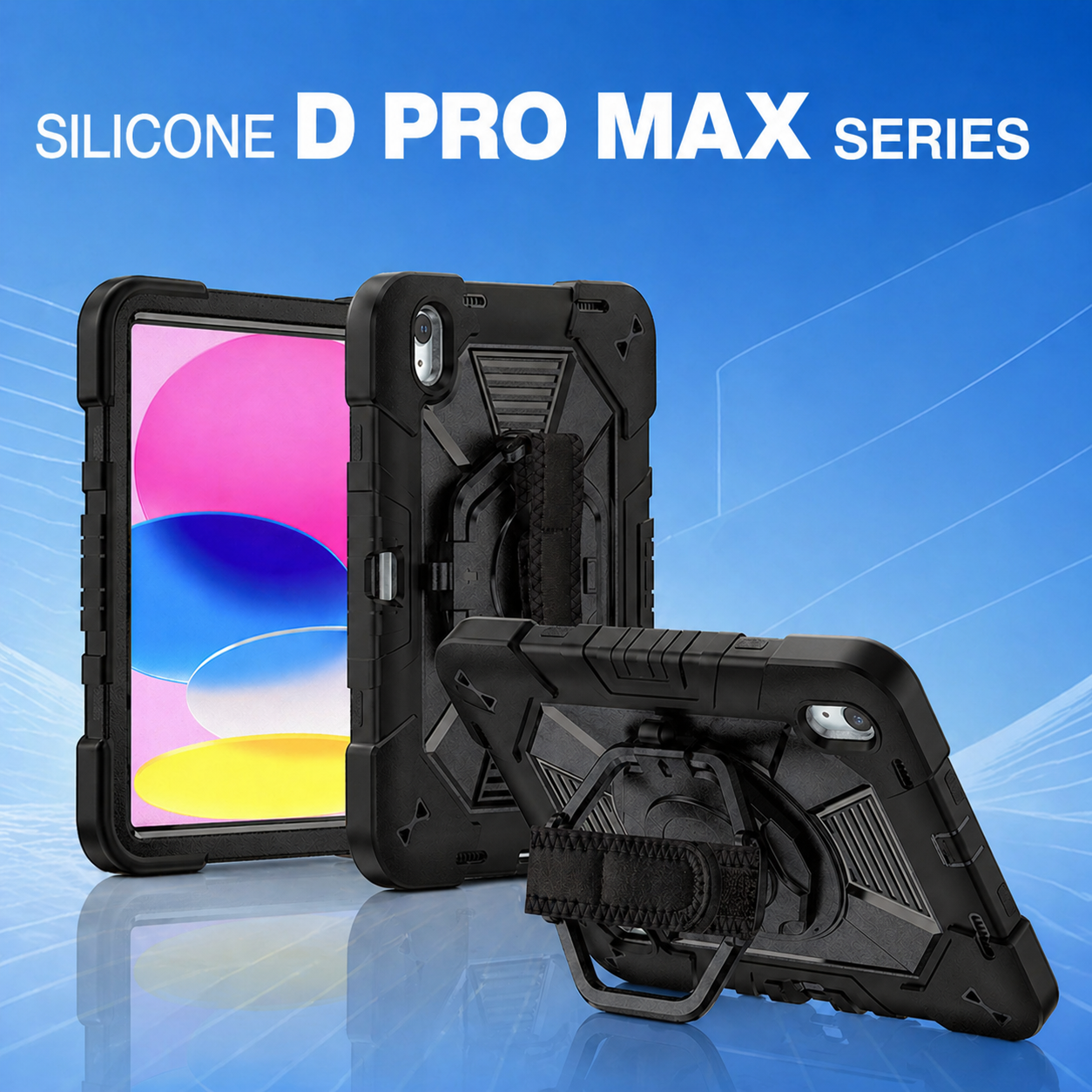
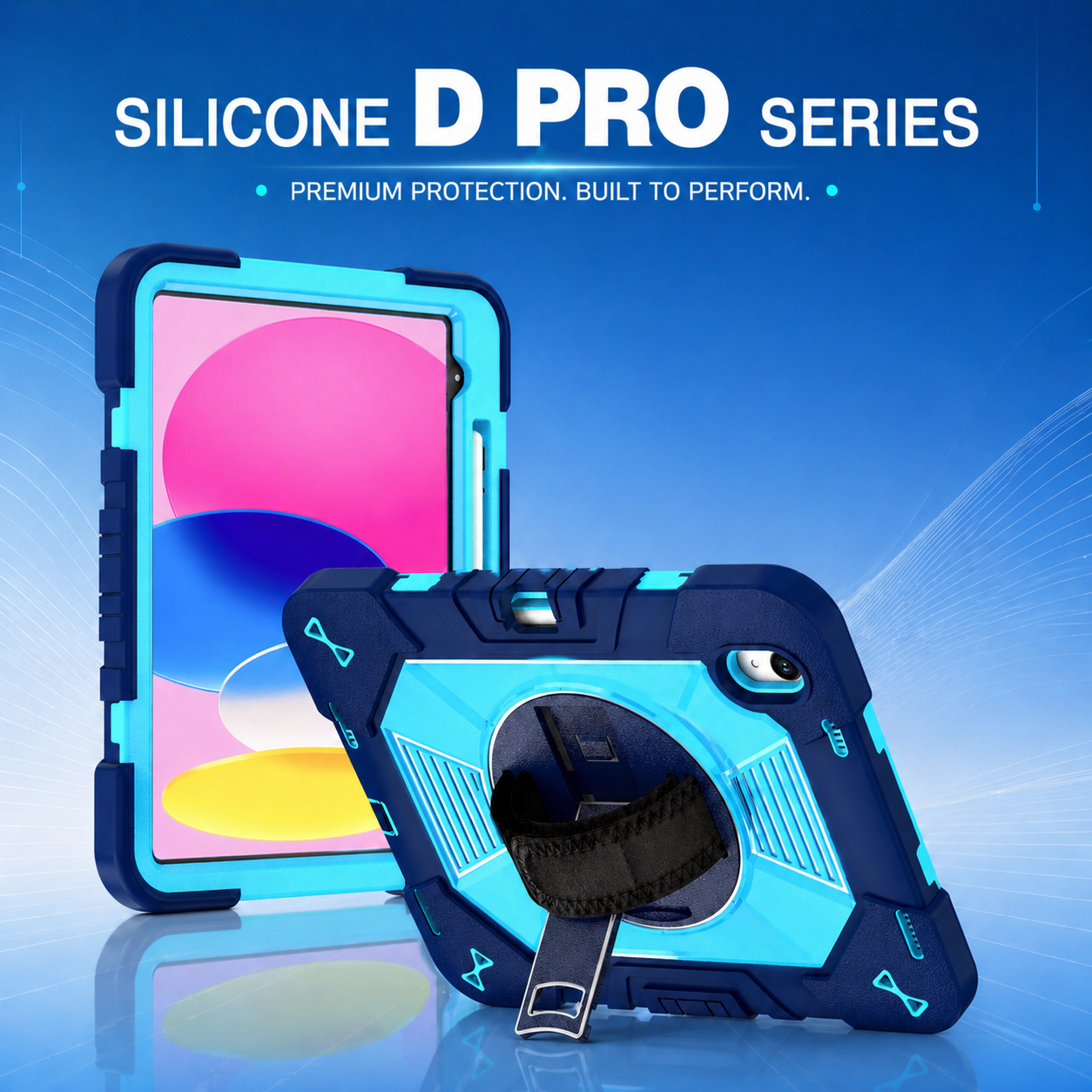
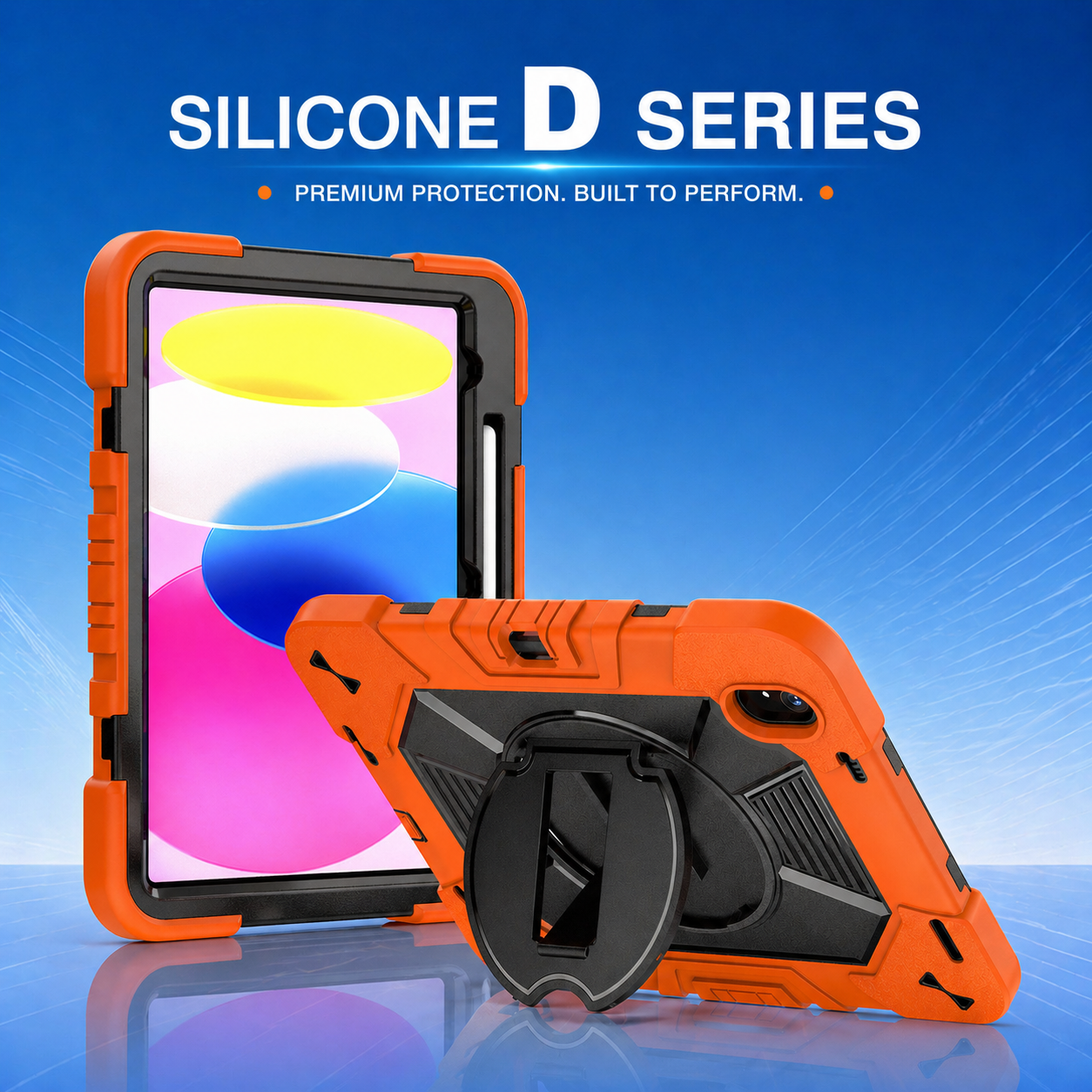
At the same time, the PC+Silicone tablet case category is gaining significant attention among schools and distributors. This hybrid structure combines the toughness of polycarbonate with the cushioning performance of silicone, creating a highly durable yet student-friendly solution.
These materials help schools achieve several objectives:
Reduced repair costs
Better tablet durability
Improved student safety
Easier daily cleaning
Longer product lifespan
As educational technology budgets continue expanding, schools are expected to prioritize products that combine durability with ergonomic design.
Why Multi-Layer Protection Matters
Educational environments are highly unpredictable. Tablets may fall from desks, be transported in crowded backpacks, or experience heavy daily use across multiple classrooms. As a result, many schools now favor the 3 layers heavy duty rugged tablet case design for maximum protection.
Triple-layer construction usually combines:
Hard polycarbonate shell
Shock-absorbing silicone layer
Reinforced outer bumper
This structure significantly improves drop resistance while protecting screens, corners, and ports from damage. Analysts predict that demand for full body protective tablet case products will continue increasing as schools prioritize total device coverage.
For iPad-focused educational programs, the shockproof iPad tablet case category remains especially strong because Apple devices dominate many school tablet deployments worldwide.
Functional Features Becoming Essential
Future classroom environments require more than just protection. Schools increasingly seek multifunctional accessories that improve productivity and learning flexibility.
This trend is driving strong demand for the multi angle kickstand tablet case category. Adjustable kickstands allow students to switch easily between typing, drawing, reading, and video conferencing positions without additional accessories.
Modern educational cases are also integrating:
Pencil holders
Adjustable hand straps
Shoulder straps
Charging compatibility
Keyboard support
Easy-access ports
These features improve classroom efficiency while helping schools maximize tablet functionality.
Market Growth Forecast by Region
North America currently dominates the educational rugged case market due to large-scale digital learning initiatives. However, Asia-Pacific is projected to become the fastest-growing region over the next five years.
Several regional trends are shaping future market expansion:
United States: Increased federal education technology funding
Europe: Rising demand for eco-friendly protective accessories
Asia-Pacific: Massive classroom digitization programs
Latin America: Growing low-cost tablet adoption
Industry experts believe global education rugged case demand may grow at an annual compound growth rate exceeding 12% through 2031.
Future Opportunities for Manufacturers
Manufacturers entering the educational protection market must focus on innovation, affordability, and customization. Schools increasingly prefer suppliers capable of offering branded solutions tailored to specific tablet models.
Companies specializing in rugged tablet case products can strengthen their competitive advantage by focusing on:
Sustainable materials
Child-safe certifications
Enhanced drop protection
Lightweight construction
Long-term durability testing
As classroom technology continues evolving, rugged tablet protection will become a critical part of educational infrastructure worldwide. The future of learning depends not only on digital devices themselves, but also on the ability to protect those devices in demanding educational environments.






.png)
+86 13422271740
.png)
info@tongmeitech.com
.png)
No. 34, Mashe Section, Guihe Road, Lishui Town, Foshan, Guangdong, China