- 1
- BLACKL
- TABLETAPPLE iPad Mini 8NEW iPad A16(2025) iPad 10.9" 10th (2022) iPad 10.2" (7th/8th/9th) iPad Air 13" (M2/M3/M4)(2024/2025/2026)NEW iPad Air 11" (M2/M3/M4)(2024/2025/2026)NEW iPad Mini 8.3" (A7 Pro/6th Gen) iPad Pro13"(M4/M5)(2024/2025) iPad Pro11"(M4/M5)(2026) iPad 9.7" (5th/6th Gen) iPad Pro 12.9"(2018-2022) iPad Pro 11"(2018-2022) iPad 9.7"(2th/3th/4th) iPad Air 10.9"(4th/5th Gen) iPad Mini 7.9"(4th/5th Gen)SAMSUNG Galaxy Tab A11 Galaxy Tab A11 Plus Galaxy Tab S11 Galaxy Tab S12 PlusNEW Galaxy Tab S12 UltraNEW Galaxy Tab A9+ Galaxy Tab A9 Galaxy Tab A8 Galaxy Tab A7 Galaxy Tab A7 Lite Galaxy Tab S11 Ultra/S10 Ultra/S9 Ultra/S8 Ultra Galaxy Tab S10+/S9+/S9 FE+ Galaxy Tab S10Lite/S10 FE/S9 FE/S9 Galaxy Tab S8+/S7+/S7 FE Galaxy Tab S8/S7 Galaxy Tab S6 lite Galaxy Tab A10.1 Galaxy Tab A8.4 Galaxy Tab A8.0 Galaxy Tab S10 FE+LENOVO iDea tab 11/Tab K11 Gen 2 /Xiaoxin Pad 11 2025 Lenovo Tab K9 (Tab One) 2025 Lenovo Tab M10 10.1"(2025) Lenovo Tab M10 Plus 10.6" (3rd Gen) Lenovo Tab M10 HD 10.1" (3rd Gen) Lenovo K10/M10 Plus 10.3" (2nd Gen) Lenovo Tab M10 HD 10.1" (2nd Gen)XIAOMI Redmi Pad 2 9.7 InchNEW Xiaomi Pad8/8Pro 11.2" Redmi Pad2/Pad2.4G Xiaomi Pad 6/6 Pro 11" Redmi Pad 10.61" Redmi Pad Se 11" Redmi pad Se 4G 8.7" Xiaomi Pad7/7 Pro 11.2" Redmi Pad Pro/Xiaomi Poco Pad/Redmi Pad2 Pro 12.1HUAWEI Huawei Matepad Se 10.4" Huawei Matepad 11" Huawei Matepad 11.5" Huawei Matepad SE 11" Huawei Matepad T8 8" Huawei Matepad T10 9.7"
- CATEGORIES
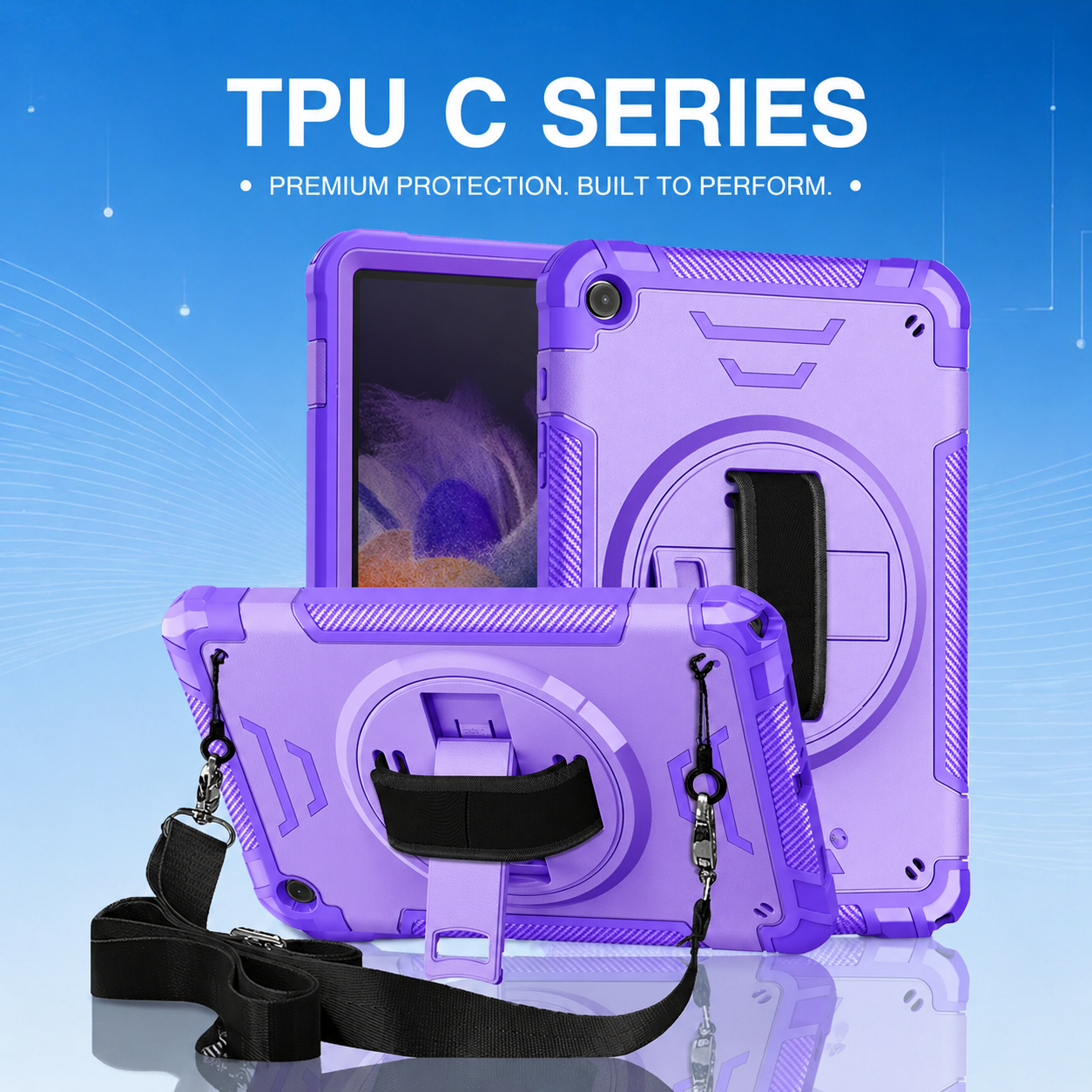
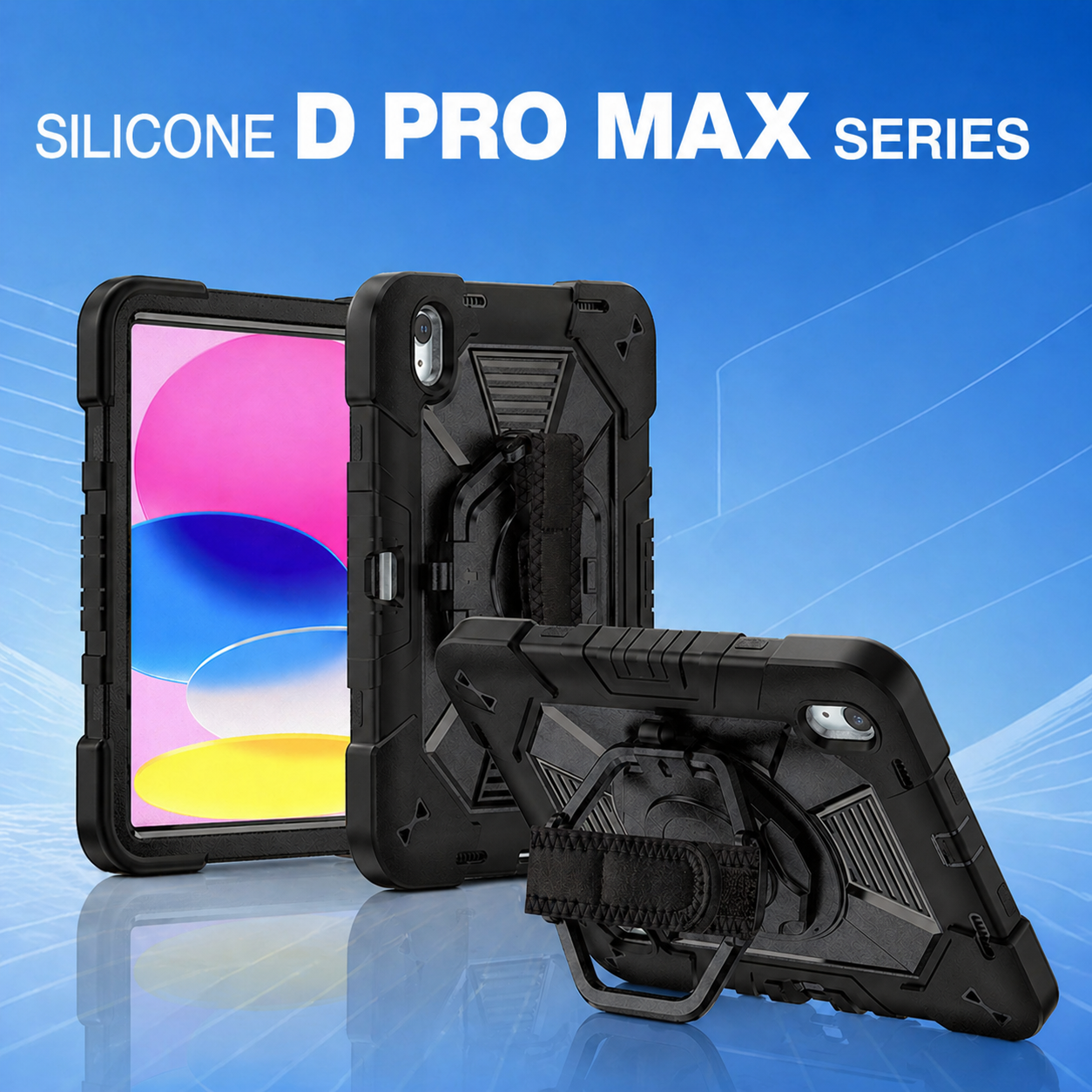
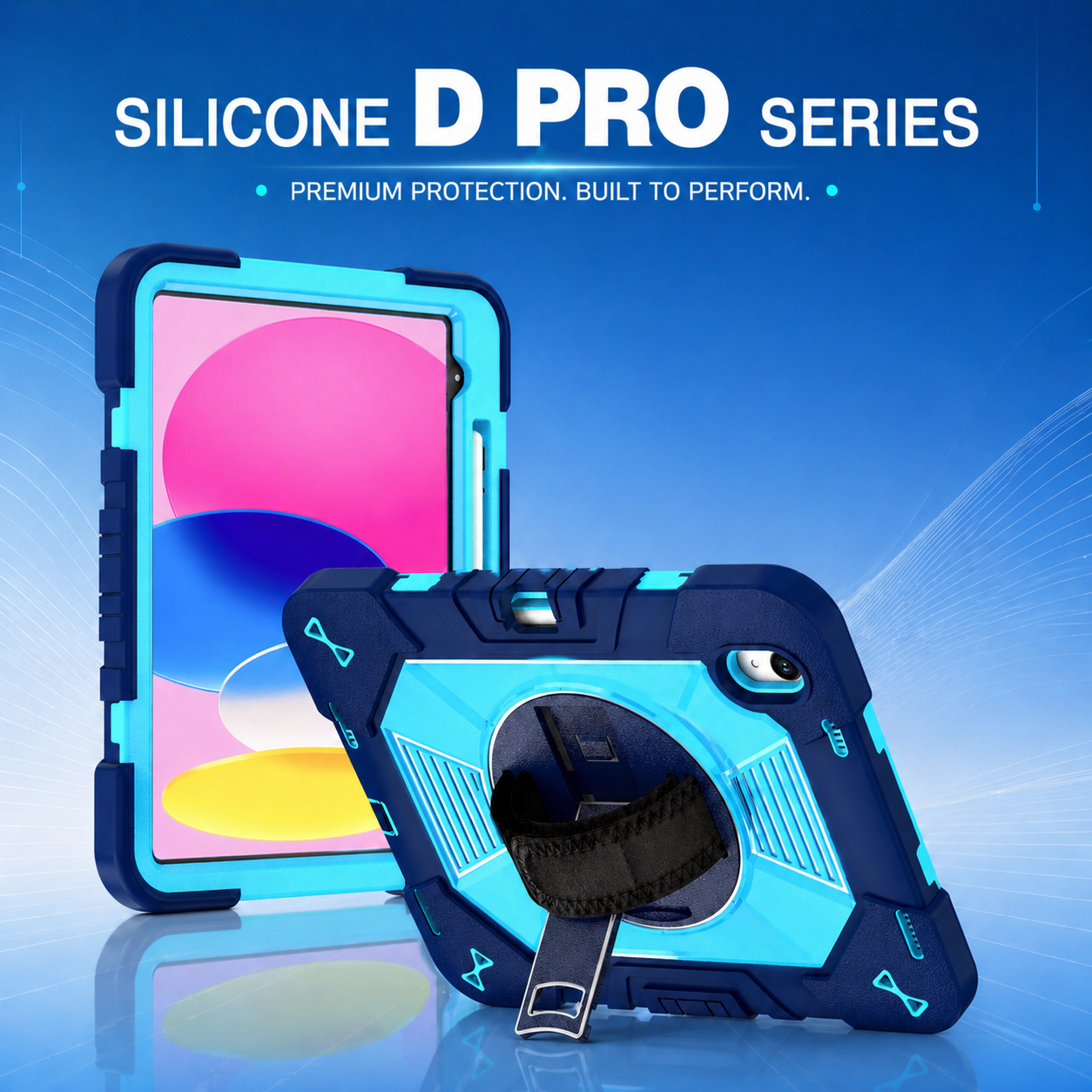
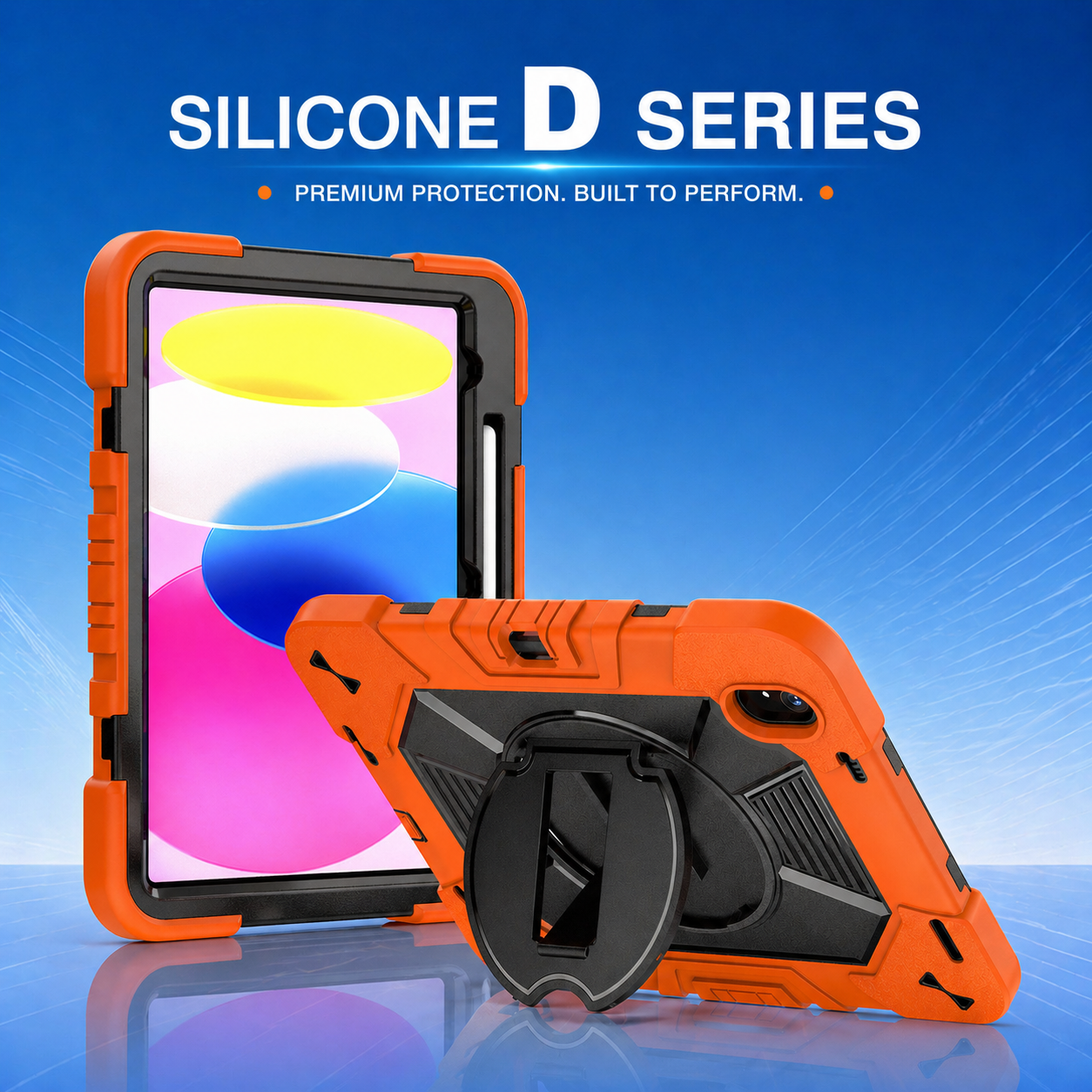

Material Engineering Trends in Protective Tablet Enclosure Manufacturing
Material selection has become one of the most important competitive decisions in protective tablet enclosure manufacturing. Enterprise buyers no longer judge protection only by thickness or appearance. They want a balanced product that absorbs impact, resists deformation, maintains accurate button response, supports repeated cleaning, and remains comfortable during a full work shift. Meeting those requirements requires a deliberate combination of polymers, structural geometry, tooling precision, and assembly control.
Why Hybrid Construction Leads the Market
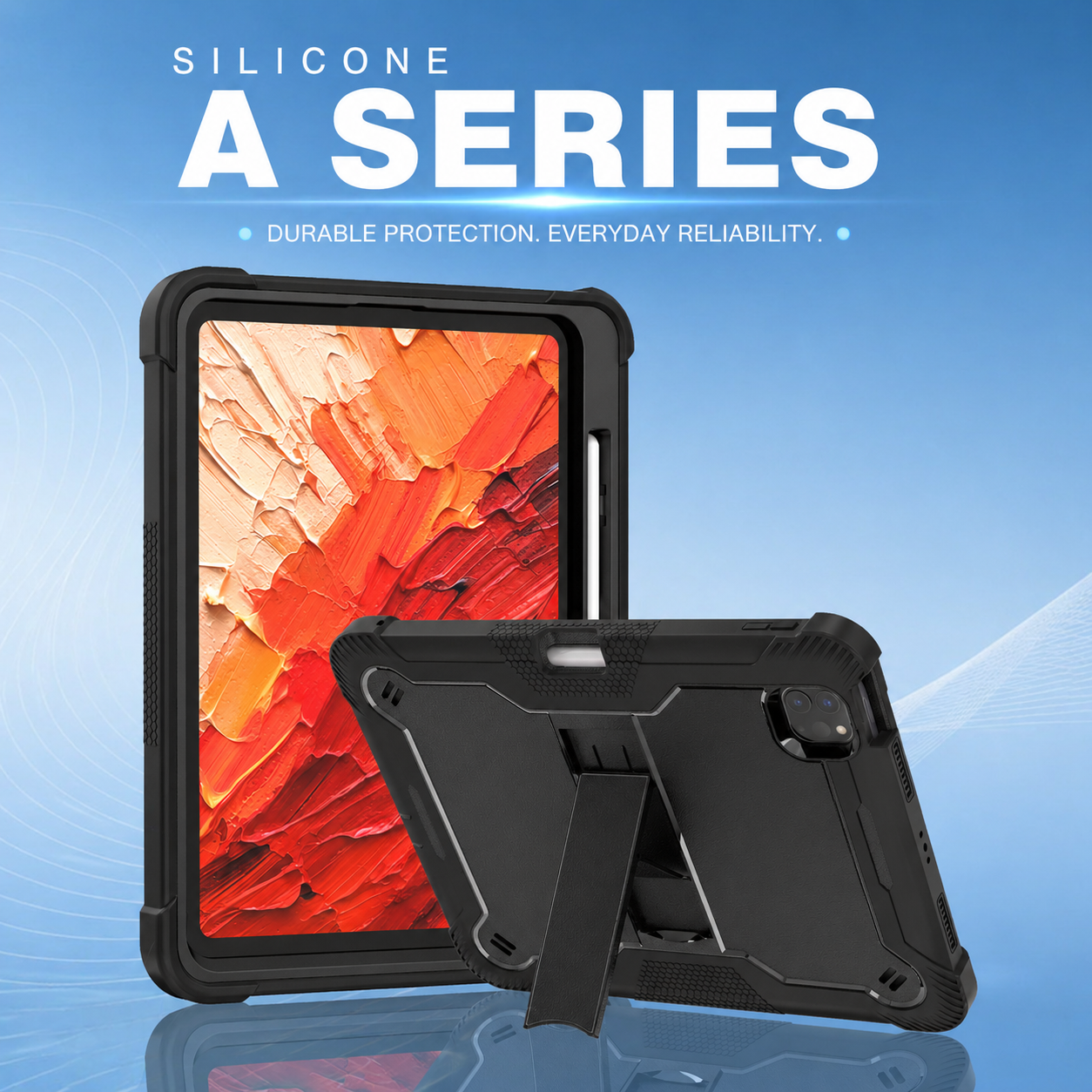
A PC+Silicone tablet case combines a rigid structural frame with a softer outer layer. Polycarbonate helps the case hold its shape and protect vulnerable edges, while silicone adds cushioning, grip, and surface comfort. The result can outperform a single-material shell when the layers are designed to work together. However, adding more material does not automatically create better protection. Engineers must control wall thickness, corner volume, interlocking features, and stress distribution so that impact energy is redirected away from the screen and internal electronics.
A well-designed full body protective tablet case also accounts for the front bezel, camera opening, speaker path, charging port, and buttons. Raised edges can reduce direct screen contact during a face-down drop, but an oversized frame may interfere with touch gestures or screen protectors. Port covers can block dust, yet they must remain easy to open and durable through repeated use. Good engineering is therefore a series of controlled compromises based on the customer’s actual environment.
Impact Protection Starts with Geometry
Corner design is especially important because many real-world drops concentrate force at a small point. Internal air pockets, ribs, flexible bridges, and reinforced bumpers can increase the distance over which the case decelerates the tablet. This reduces peak force without requiring excessive weight. Finite-element analysis can support early design decisions, but physical prototypes and repeated drop tests remain essential because polymer behavior changes with temperature, aging, molding conditions, and tablet fit.
For a shockproof iPad tablet case, dimensional control is critical. If the tablet fits too loosely, it can move inside the enclosure and strike the rigid frame. If the fit is too tight, assembly may damage the device or create constant stress around buttons and corners. Mold shrinkage, material grade, texture depth, and production temperature all influence the final dimensions. Manufacturers need stable process windows and clear inspection points rather than relying only on a successful first sample.
Surface, Grip, and Cleaning Requirements
Industrial and healthcare users often handle tablets with gloves or wet hands. Texture can improve grip, but deep patterns may collect dust, grease, or cleaning residue. Matte finishes can hide scratches while glossy surfaces may be easier to wipe. Silicone hardness affects both comfort and retention. Softer material provides cushioning but may attract lint or stretch over time; harder material improves shape stability but can feel less forgiving.
Material documentation is increasingly important for enterprise projects. Buyers may request information about restricted substances, odor, color stability, flame behavior, cleaning-agent compatibility, or recycled content. A supplier should confirm which requirements apply before tooling begins, because substituting a polymer after validation can alter shrinkage, flexibility, appearance, and impact performance.
Functional Components Need Separate Validation
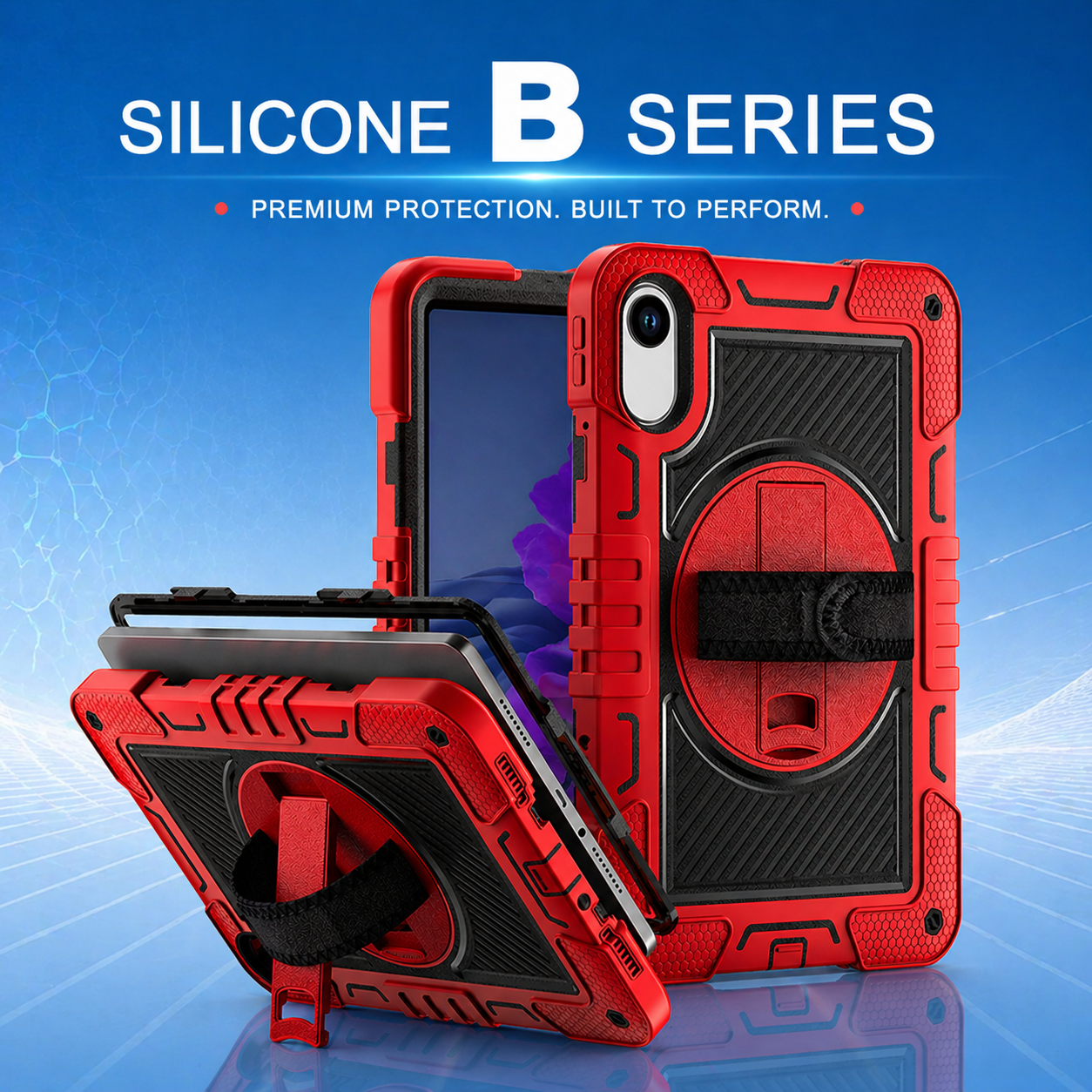
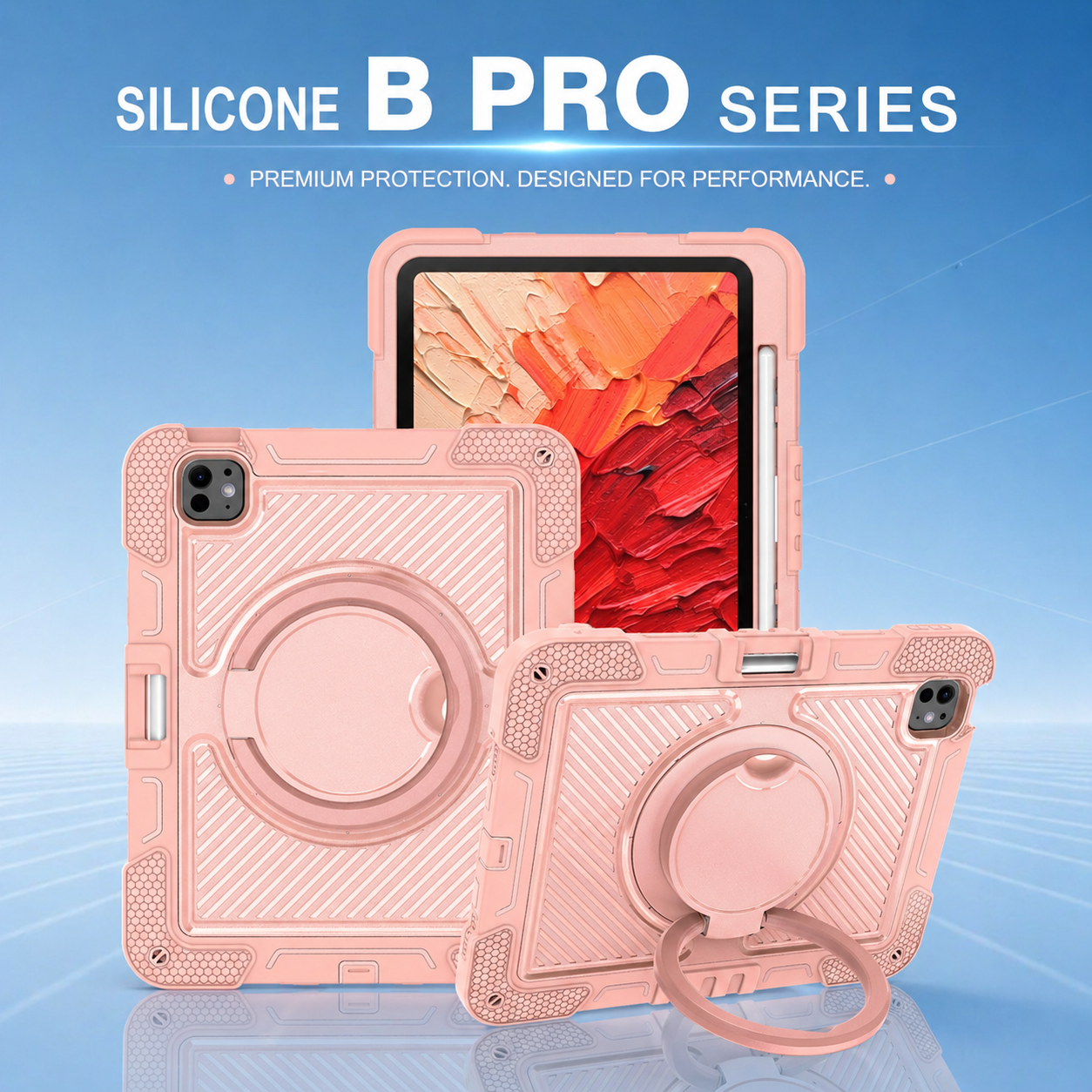
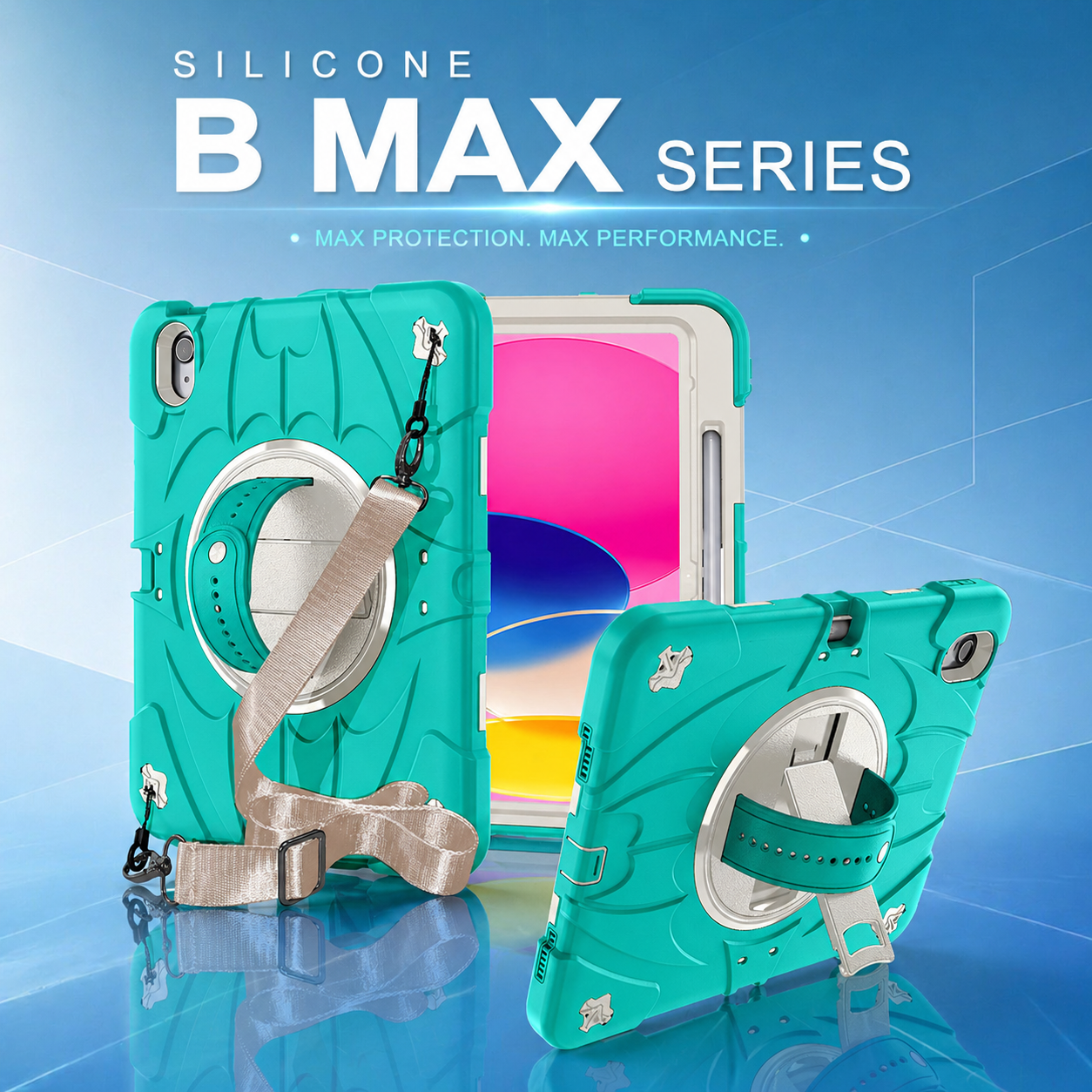
Kickstands, rotating grips, pencil holders, shoulder-strap anchors, and mounting interfaces introduce moving parts and concentrated loads. A stand that works during a showroom demonstration may loosen after thousands of cycles. A hand strap may feel secure but transfer excessive force to a small plastic boss. Each functional component should have its own test plan covering cycle life, torque, pull force, accidental loading, and user comfort.
Modularity can improve product economics. A common rear interface can support several stand, strap, or mount options, allowing one base case to serve education, warehousing, field service, and retail. Replaceable components also extend product life and simplify repair. This approach helps manufacturers reduce tooling duplication while giving distributors more configurations to sell.
Manufacturing Process and Quality Control
Reliable output begins with design-for-manufacturing review. Engineers should identify undercuts, thin walls, weld lines, difficult ejector locations, cosmetic risks, and assembly constraints before mold cutting. During production, incoming material control, drying conditions, injection parameters, silicone curing, surface inspection, and assembly fixtures all affect consistency. Finished products should be checked on real tablets or validated gauges, not only against drawings.
Color matching deserves special attention in private-label projects. Rigid and soft materials reflect light differently, so identical pigment formulas may not appear identical after molding. Approved master samples, controlled lighting, and acceptable tolerance ranges help avoid disputes. Packaging must also prevent deformation during transport, especially when soft components are compressed for long periods.
Where Material Innovation Is Heading
Future development will focus on lighter protective structures, lower-impact materials, easier disassembly, and surfaces designed for demanding cleaning routines. Manufacturers will also use shared platforms to support multiple tablet models while preserving access to cameras, scanners, and docking systems. The winning products will not be the thickest. They will be the ones that deliver verified protection with the least interference to everyday work.
This material-led approach connects directly to application-specific protection for education, healthcare, warehouses, and field teams, where the same tablet can require very different case features.






.png)
+86 13422271740
.png)
info@tongmeitech.com
.png)
No. 34, Mashe Section, Guihe Road, Lishui Town, Foshan, Guangdong, China