- 1
- BLACKL
- TABLETAPPLE iPad Mini 8NEW iPad A16(2025) iPad 10.9" 10th (2022) iPad 10.2" (7th/8th/9th) iPad Air 13" (M2/M3/M4)(2024/2025/2026)NEW iPad Air 11" (M2/M3/M4)(2024/2025/2026)NEW iPad Mini 8.3" (A7 Pro/6th Gen) iPad Pro13"(M4/M5)(2024/2025) iPad Pro11"(M4/M5)(2026) iPad 9.7" (5th/6th Gen) iPad Pro 12.9"(2018-2022) iPad Pro 11"(2018-2022) iPad 9.7"(2th/3th/4th) iPad Air 10.9"(4th/5th Gen) iPad Mini 7.9"(4th/5th Gen)SAMSUNG Galaxy Tab A11 Galaxy Tab A11 Plus Galaxy Tab S11 Galaxy Tab S12 PlusNEW Galaxy Tab S12 UltraNEW Galaxy Tab A9+ Galaxy Tab A9 Galaxy Tab A8 Galaxy Tab A7 Galaxy Tab A7 Lite Galaxy Tab S11 Ultra/S10 Ultra/S9 Ultra/S8 Ultra Galaxy Tab S10+/S9+/S9 FE+ Galaxy Tab S10Lite/S10 FE/S9 FE/S9 Galaxy Tab S8+/S7+/S7 FE Galaxy Tab S8/S7 Galaxy Tab S6 lite Galaxy Tab A10.1 Galaxy Tab A8.4 Galaxy Tab A8.0 Galaxy Tab S10 FE+LENOVO iDea tab 11/Tab K11 Gen 2 /Xiaoxin Pad 11 2025 Lenovo Tab K9 (Tab One) 2025 Lenovo Tab M10 10.1"(2025) Lenovo Tab M10 Plus 10.6" (3rd Gen) Lenovo Tab M10 HD 10.1" (3rd Gen) Lenovo K10/M10 Plus 10.3" (2nd Gen) Lenovo Tab M10 HD 10.1" (2nd Gen)XIAOMI Redmi Pad 2 9.7 InchNEW Xiaomi Pad8/8Pro 11.2" Redmi Pad2/Pad2.4G Xiaomi Pad 6/6 Pro 11" Redmi Pad 10.61" Redmi Pad Se 11" Redmi pad Se 4G 8.7" Xiaomi Pad7/7 Pro 11.2" Redmi Pad Pro/Xiaomi Poco Pad/Redmi Pad2 Pro 12.1HUAWEI Huawei Matepad Se 10.4" Huawei Matepad 11" Huawei Matepad 11.5" Huawei Matepad SE 11" Huawei Matepad T8 8" Huawei Matepad T10 9.7"
- CATEGORIES
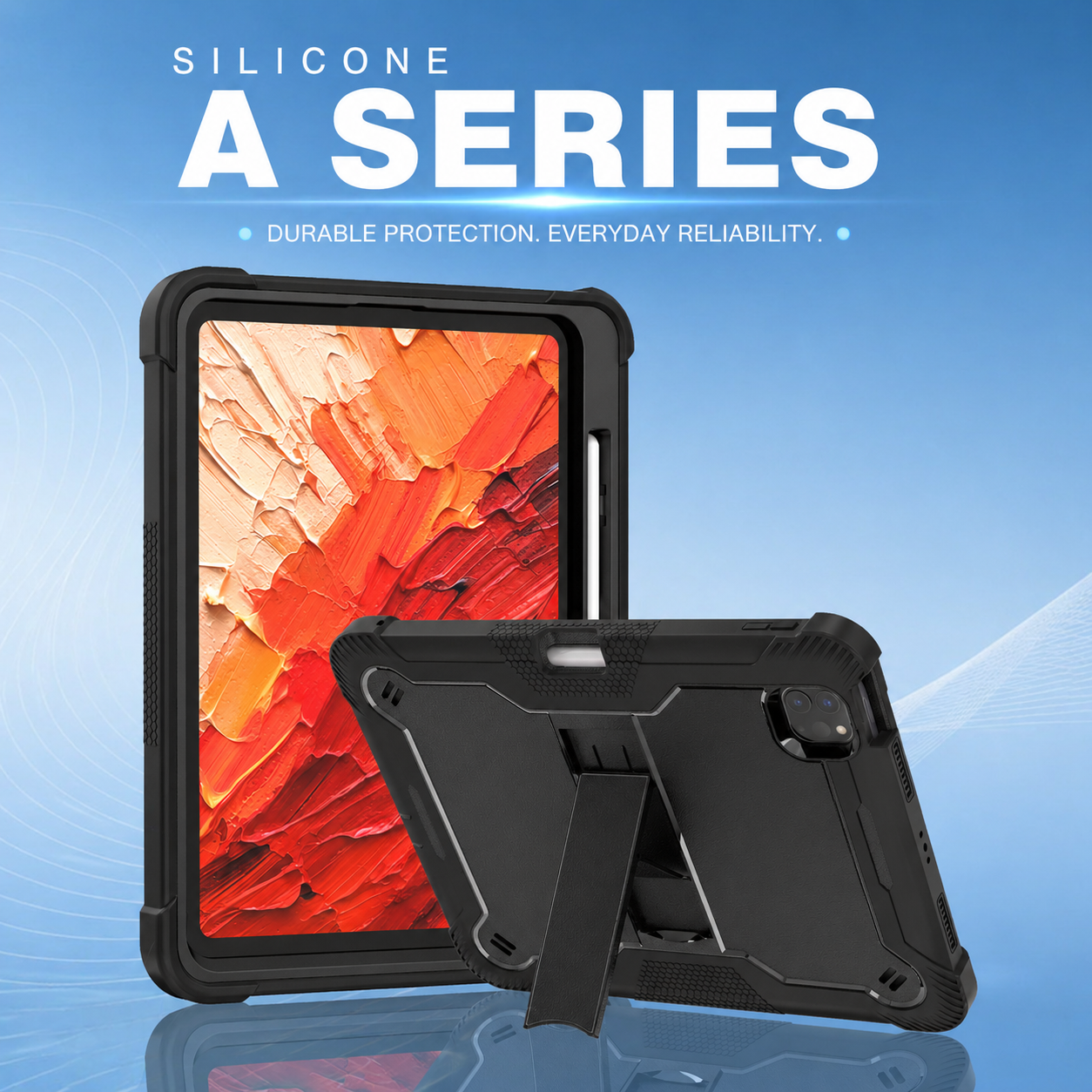
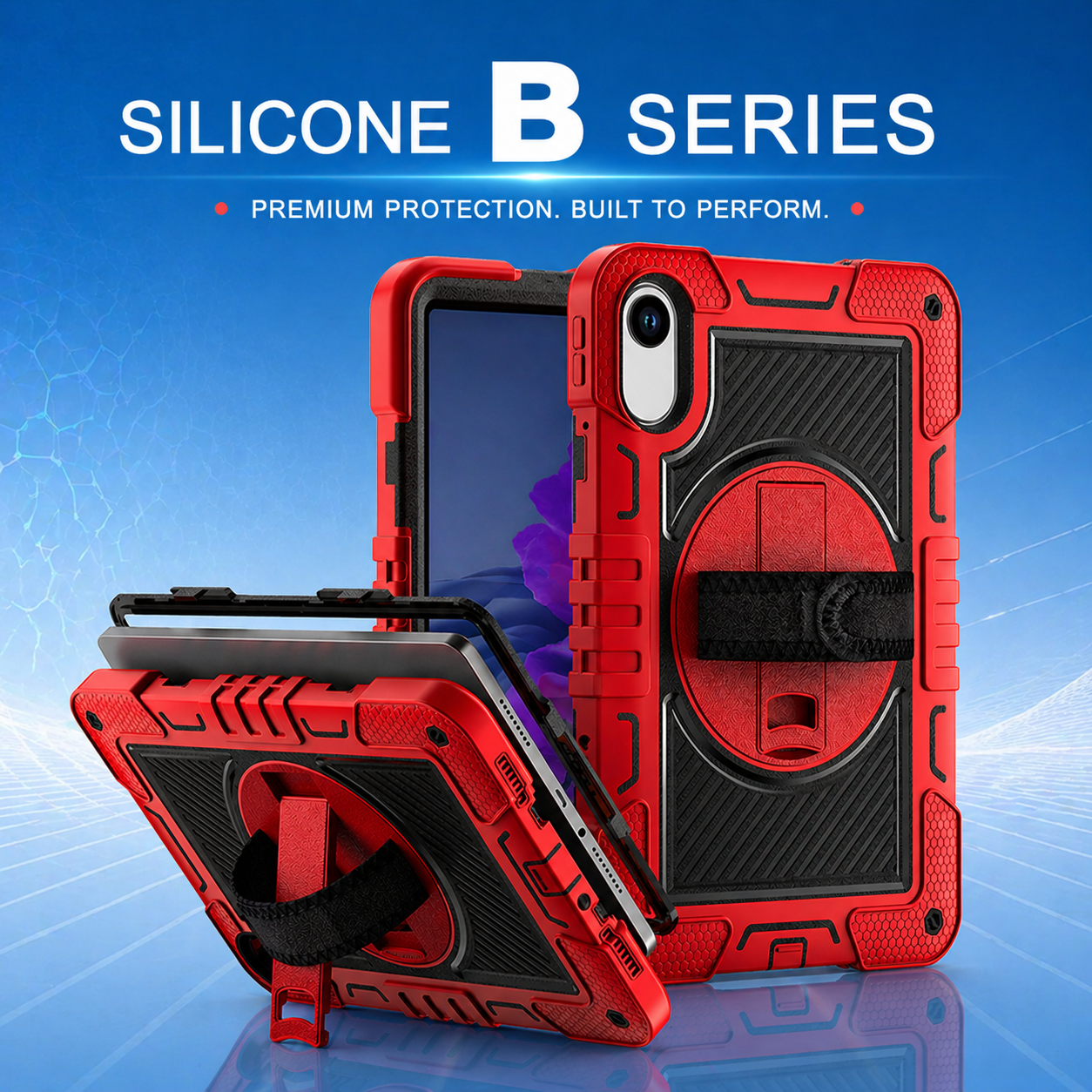
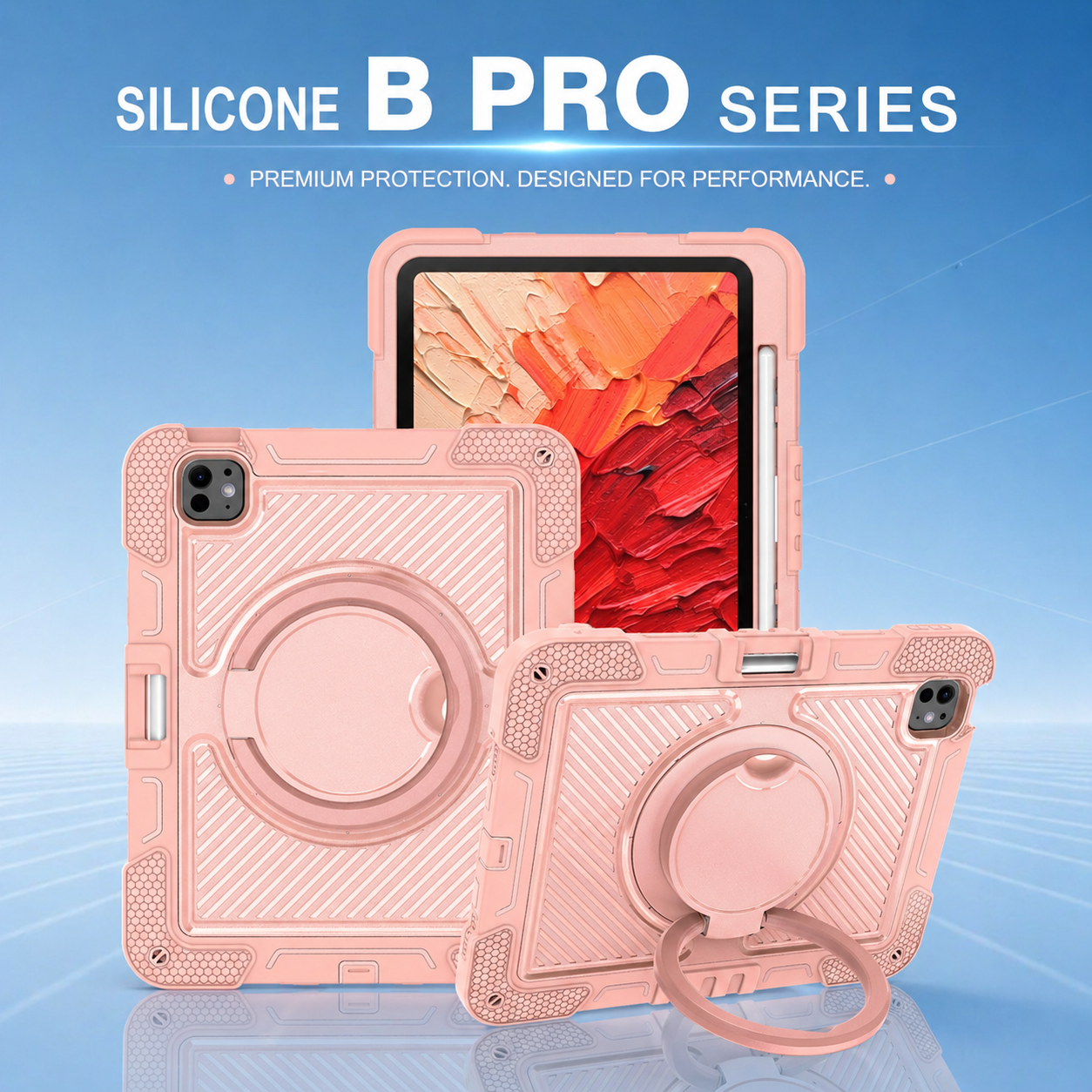
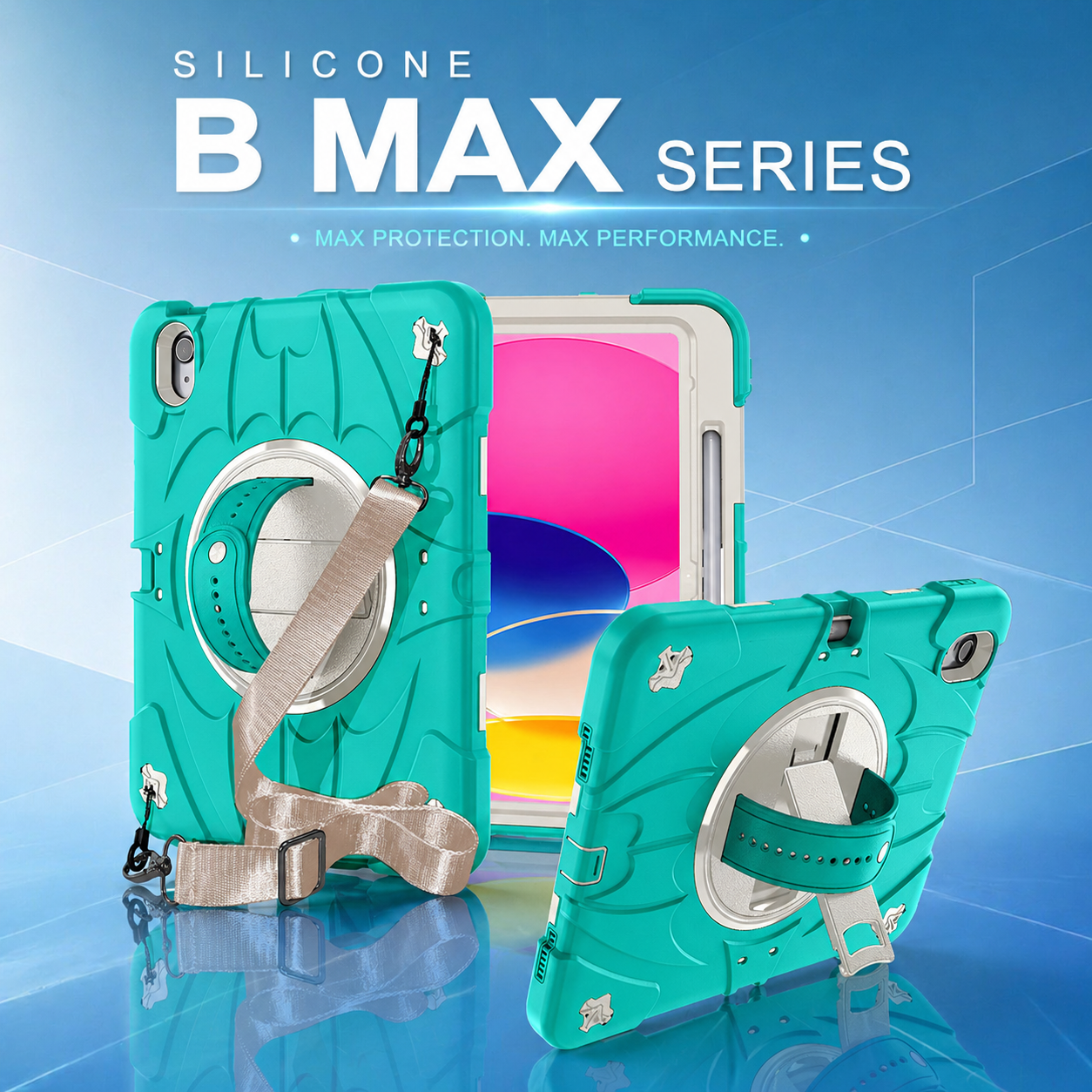
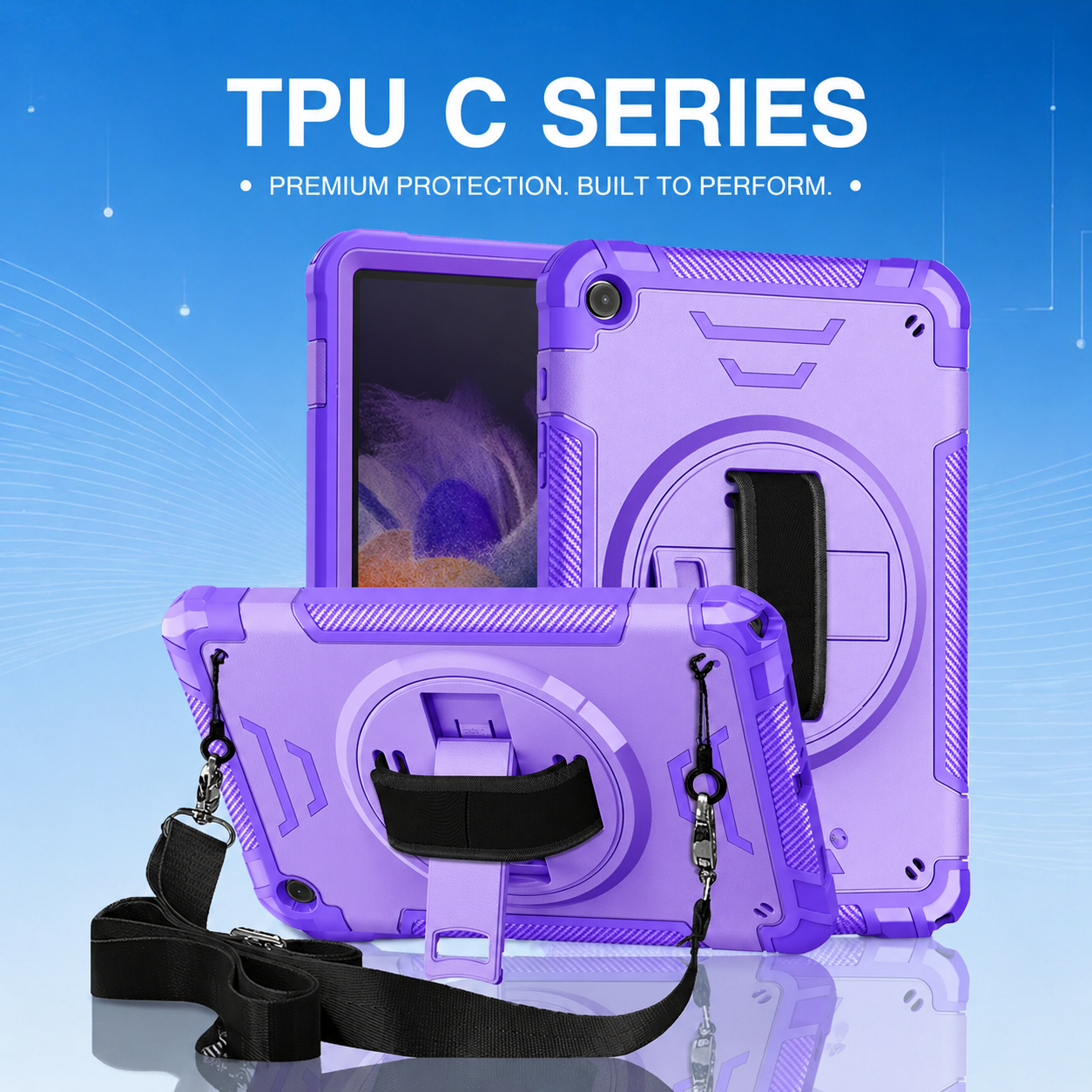
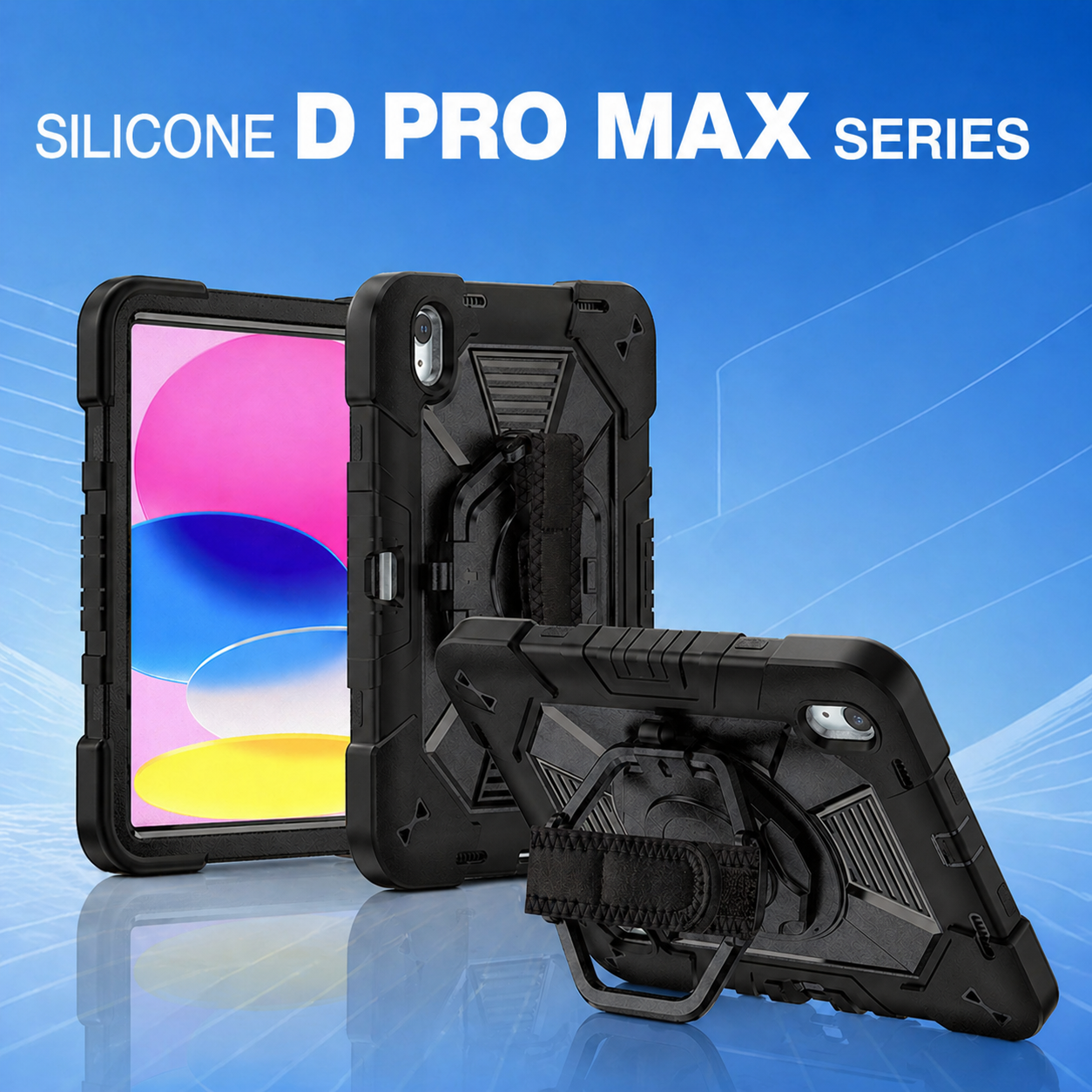
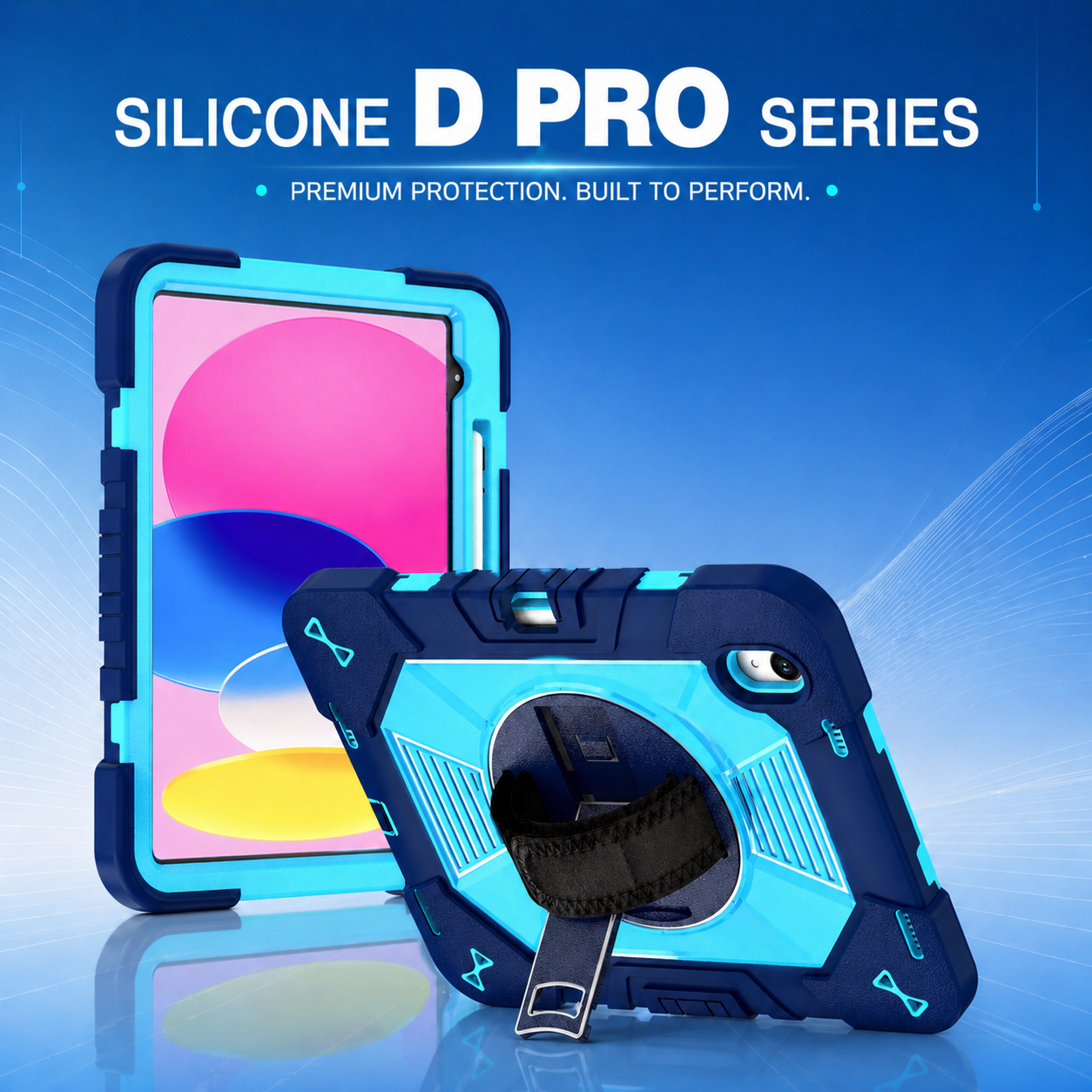
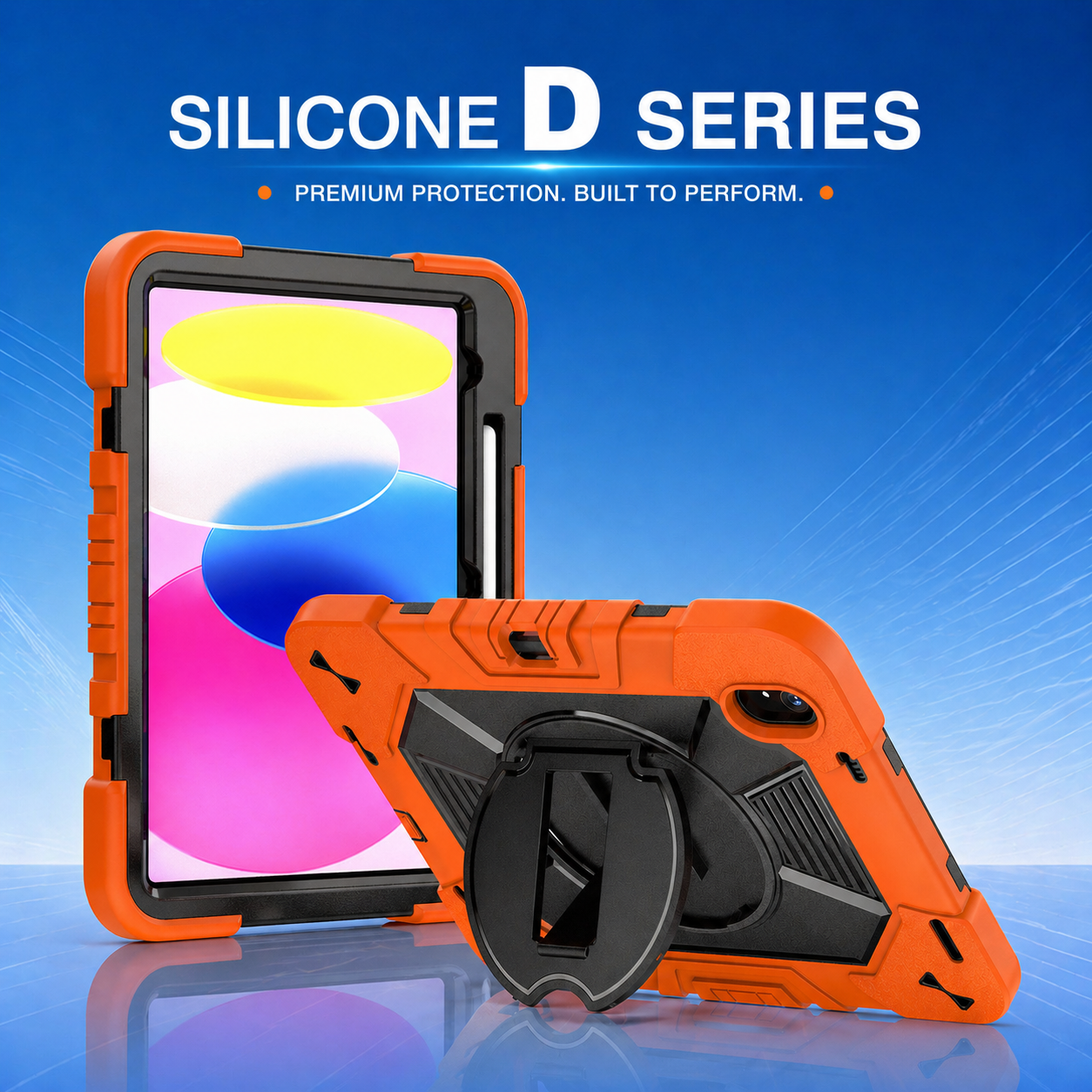

Industry-Specific Quality Testing for Tablet Protection Cases
A tablet protection case should be evaluated for the environment in which it will actually work. A product that performs well in an office may not meet the demands of a classroom, clinic, warehouse, or field-service operation. Different users create different risks: repeated drops, disinfectant exposure, glove use, cart vibration, dust, shared-device handling, and continuous stand movement. Strong factories therefore build industry-specific tests into development and production quality control.
1. Education: Repeated Handling and Child-Friendly Use
A kids education tablet case must support frequent movement between desks, backpacks, charging carts, and home use. Children may hold the device by the stand, pull on handles, press buttons forcefully, or drop it from different heights. Testing should therefore include repeated corner drops, handle pull tests, stand cycles, button cycles, and checks for sharp edges or small detachable parts.
Cleaning is also important. Schools often wipe shared equipment regularly, so the material should be tested against the approved cleaning methods. Inspectors look for fading, swelling, cracking, sticky surfaces, weakened printing, or loss of grip after repeated wiping. A classroom product should remain easy to identify, carry, and operate throughout the school year.
2. Healthcare: Cleanability and Reliable Access
Healthcare environments require dependable function alongside frequent cleaning. Under a #HealthcareTechnology program, the factory should confirm which disinfectants or wipes the customer intends to use and develop a compatibility test. Samples are exposed repeatedly, then reviewed for material degradation, discoloration, odor, dimensional change, and weakened joints.
Port access, camera clearance, and button response must remain reliable because clinicians may need fast operation. Cases used on carts or in patient rooms may also need secure stands, straps, or mounting interfaces. Quality testing should verify that these features do not loosen after cleaning and repeated adjustment.
3. Warehousing: Concrete Floors, Gloves, and Fast Workflows
Warehouse devices face hard floors, racks, forklifts, carts, dust, and continuous scanning. Under a #WarehouseTechnology deployment, impact tests should reflect the weight of the installed device and the typical working height. Corner, edge, and face drops onto a hard surface provide more meaningful evidence than a light sample dropped onto a soft floor.
Factories should also test usability with gloves. Buttons, port covers, straps, and stands must be easy to operate without fine finger movement. Grip texture should reduce slipping without collecting excessive dirt. If the case includes a hand strap or shoulder strap, load and cycle tests should confirm the anchors remain secure.
4. Logistics: Vibration, Carrying, and Vehicle Use
Logistics teams may carry tablets through loading areas, trucks, depots, and customer locations. Products can experience vibration, repeated mounting, temperature changes, and impact against equipment. Validation may include vibration testing, strap loading, stand cycling, and hot-cold conditioning.
Vehicle exposure deserves special attention. Heat inside a parked vehicle can soften some materials, change fit, or weaken adhesive. Cold conditions can make other materials less flexible. After conditioning, the factory should repeat key fit and impact checks rather than judging the sample only by appearance.
5. Field Service: Outdoor Conditions and Mobile Work
Technicians working at construction sites, utilities, maintenance locations, or customer premises need secure handling and flexible viewing positions. Quality teams should test grip, rotation mechanisms, stand stability, and carrying accessories under repeated use. Dust and moisture exposure may be relevant depending on the design and the level of protection claimed.
Outdoor visibility can also influence design validation. A stable stand should hold the screen at useful angles, while raised edges should protect the device without blocking gestures or cameras. Cold-weather operation, glove use, and repeated removal for charging or maintenance can be included in the test plan.
6. Retail and Hospitality: Appearance Under Continuous Use
Retail counters, restaurants, and hotel check-in areas often use tablets in public view. The case must protect the device while maintaining a clean appearance. Abrasion tests, logo adhesion, stand stability, cable access, and anti-slip performance are important. Surfaces should tolerate repeated wiping and contact with counters without becoming glossy, scratched, or discolored too quickly.
If the product functions as a kiosk or point-of-sale enclosure, stability and tamper resistance may matter more than portability. Factories should adapt the validation plan to the mounting method and daily interaction pattern.
7. Enterprise Fleets: Consistency Across Large Deployments
Large organizations need every unit to fit, function, and package consistently. Factory control should include device fit fixtures, approved limit samples, defined inspection levels, and batch traceability. Accessories must be counted correctly, labels must match deployment requirements, and cartons should support distribution to multiple sites.
Pilot deployment feedback can improve the final production standard. A small group of users may identify practical issues such as difficult charging access, unstable stands, strap discomfort, or cleaning problems. The factory can then adjust the design and repeat relevant tests before the main rollout.
8. Creating a Validation Matrix
A useful approach is to build a matrix that links each industry risk to a test, sample quantity, cycle count, and pass criterion. For example, classroom handling may link to repeated drops and handle pulls; clinical cleaning may link to chemical exposure; warehouse work may link to hard-surface impact and glove-use checks.
This matrix makes expectations visible to engineering, production, quality, and the buyer. It also prevents teams from applying the same generic test package to every project. Results can be recorded by product revision and compared across future batches.
9. From Test Results to Production Control
Industry-specific testing should influence drawings, materials, work instructions, inspection points, and packaging. A failed handle test may require reinforcement. Cleaning damage may require a different material or printing method. Glove-use problems may require larger buttons or revised port covers.
By matching validation to real operating conditions, factories reduce field failures and improve user acceptance. The result is not simply a stronger case. It is a product whose durability, usability, and maintenance characteristics support the customer’s daily workflow.





.png)
+86 13422271740
.png)
info@tongmeitech.com
.png)
No. 34, Mashe Section, Guihe Road, Lishui Town, Foshan, Guangdong, China