- 1
- BLACKL
- TABLETAPPLE iPad Mini 8NEW iPad A16(2025) iPad 10.9" 10th (2022) iPad 10.2" (7th/8th/9th) iPad Air 13" (M2/M3/M4)(2024/2025/2026)NEW iPad Air 11" (M2/M3/M4)(2024/2025/2026)NEW iPad Mini 8.3" (A7 Pro/6th Gen) iPad Pro13"(M4/M5)(2024/2025) iPad Pro11"(M4/M5)(2026) iPad 9.7" (5th/6th Gen) iPad Pro 12.9"(2018-2022) iPad Pro 11"(2018-2022) iPad 9.7"(2th/3th/4th) iPad Air 10.9"(4th/5th Gen) iPad Mini 7.9"(4th/5th Gen)SAMSUNG Galaxy Tab A11 Galaxy Tab A11 Plus Galaxy Tab S11 Galaxy Tab S12 PlusNEW Galaxy Tab S12 UltraNEW Galaxy Tab A9+ Galaxy Tab A9 Galaxy Tab A8 Galaxy Tab A7 Galaxy Tab A7 Lite Galaxy Tab S11 Ultra/S10 Ultra/S9 Ultra/S8 Ultra Galaxy Tab S10+/S9+/S9 FE+ Galaxy Tab S10Lite/S10 FE/S9 FE/S9 Galaxy Tab S8+/S7+/S7 FE Galaxy Tab S8/S7 Galaxy Tab S6 lite Galaxy Tab A10.1 Galaxy Tab A8.4 Galaxy Tab A8.0 Galaxy Tab S10 FE+LENOVO iDea tab 11/Tab K11 Gen 2 /Xiaoxin Pad 11 2025 Lenovo Tab K9 (Tab One) 2025 Lenovo Tab M10 10.1"(2025) Lenovo Tab M10 Plus 10.6" (3rd Gen) Lenovo Tab M10 HD 10.1" (3rd Gen) Lenovo K10/M10 Plus 10.3" (2nd Gen) Lenovo Tab M10 HD 10.1" (2nd Gen)XIAOMI Redmi Pad 2 9.7 InchNEW Xiaomi Pad8/8Pro 11.2" Redmi Pad2/Pad2.4G Xiaomi Pad 6/6 Pro 11" Redmi Pad 10.61" Redmi Pad Se 11" Redmi pad Se 4G 8.7" Xiaomi Pad7/7 Pro 11.2" Redmi Pad Pro/Xiaomi Poco Pad/Redmi Pad2 Pro 12.1HUAWEI Huawei Matepad Se 10.4" Huawei Matepad 11" Huawei Matepad 11.5" Huawei Matepad SE 11" Huawei Matepad T8 8" Huawei Matepad T10 9.7"
- CATEGORIES
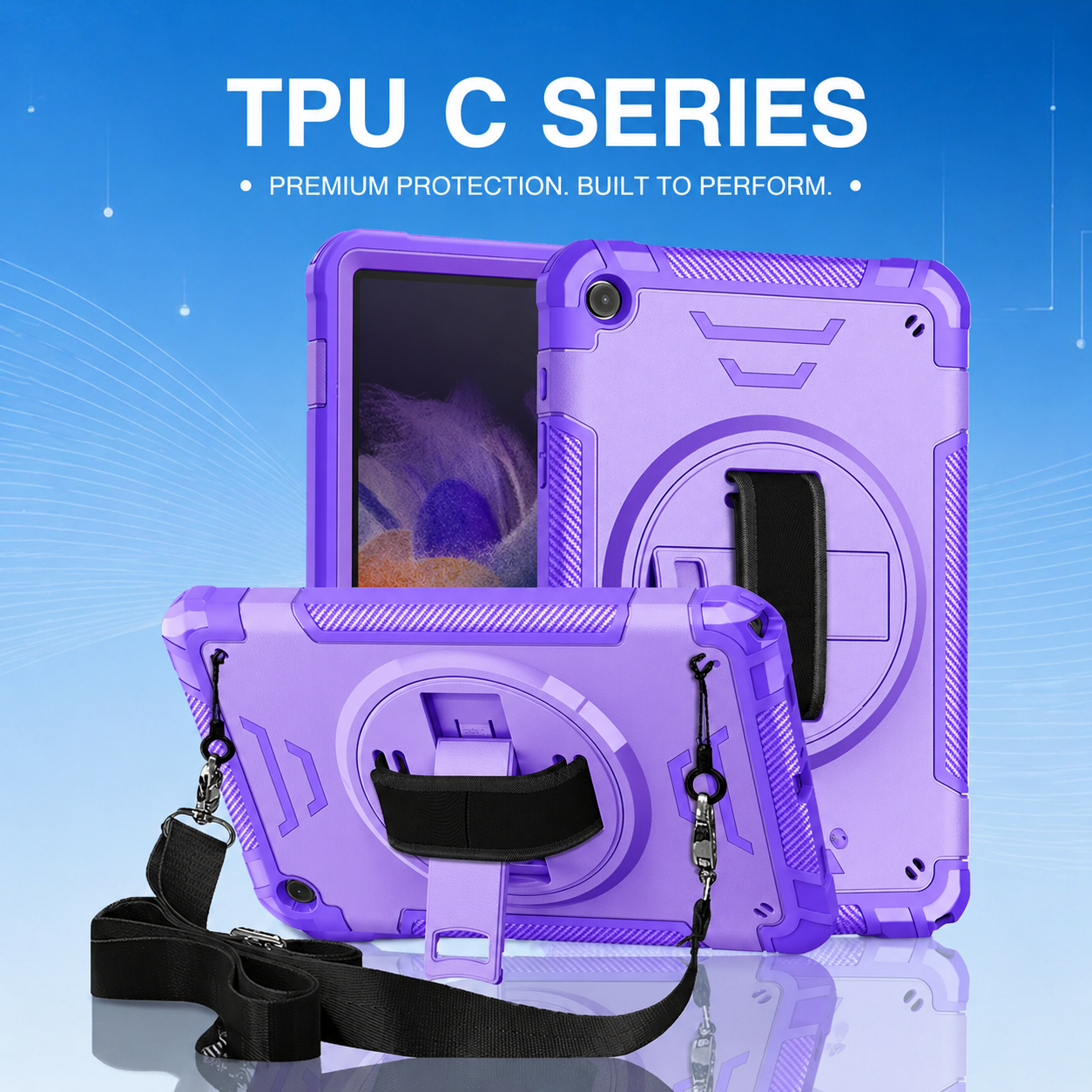
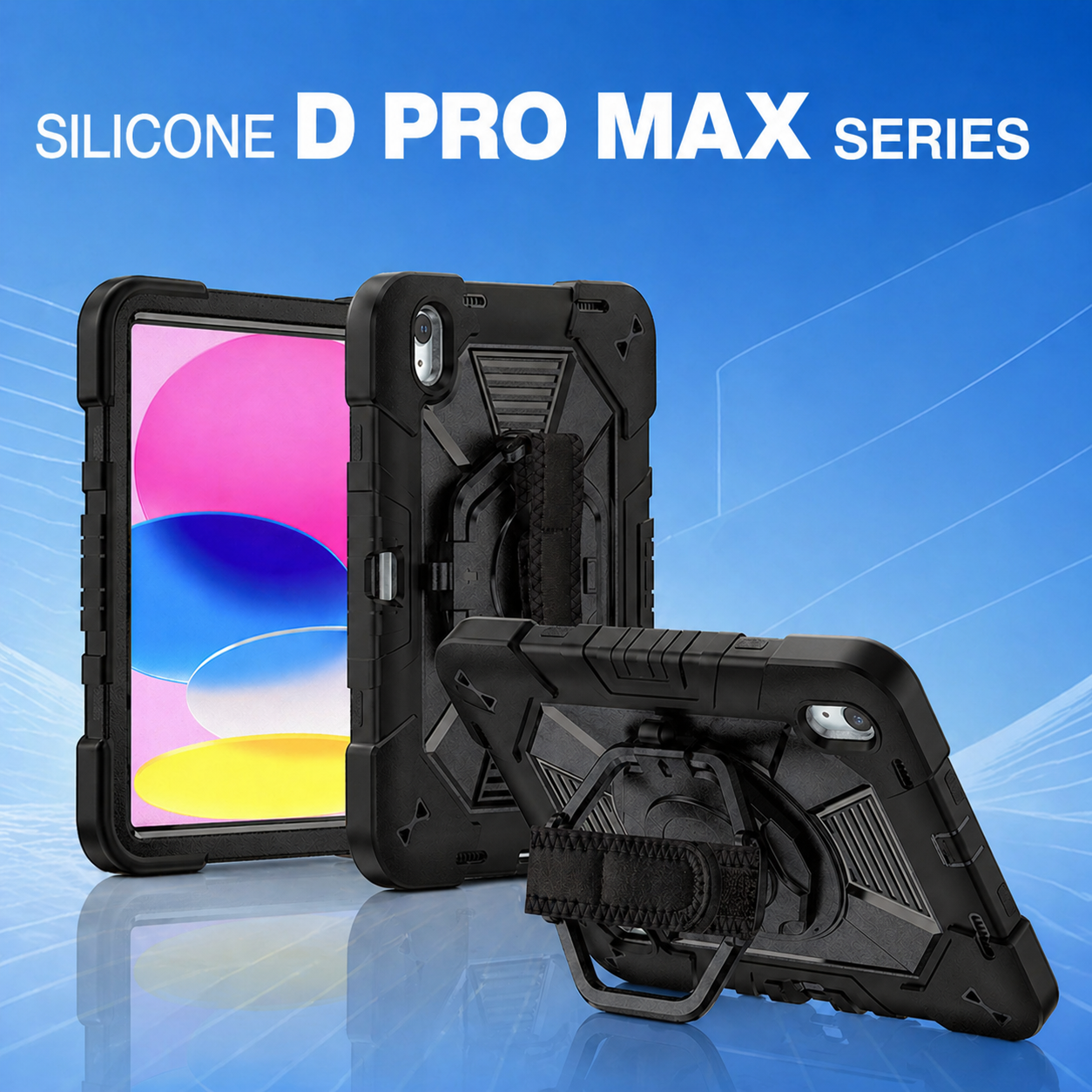
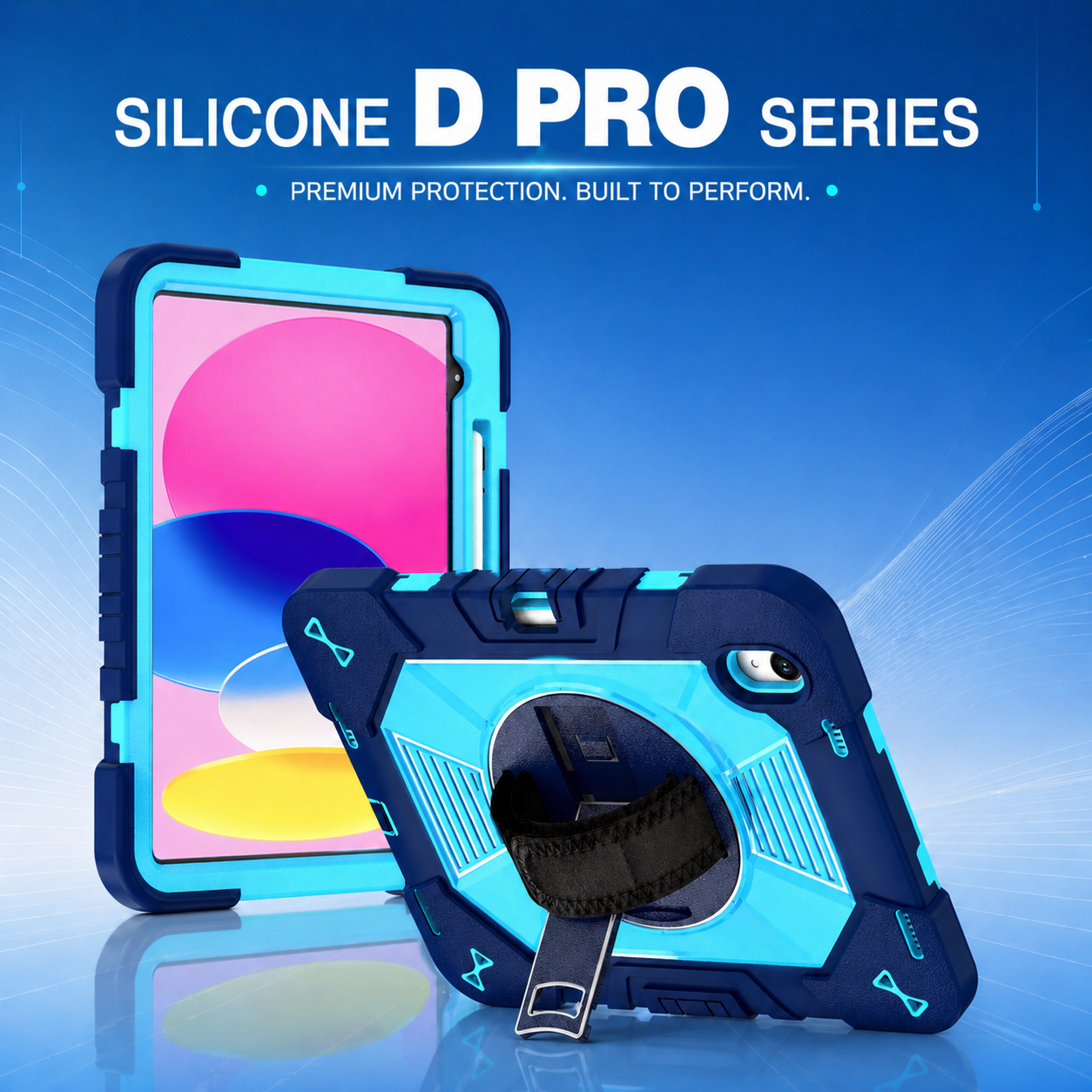
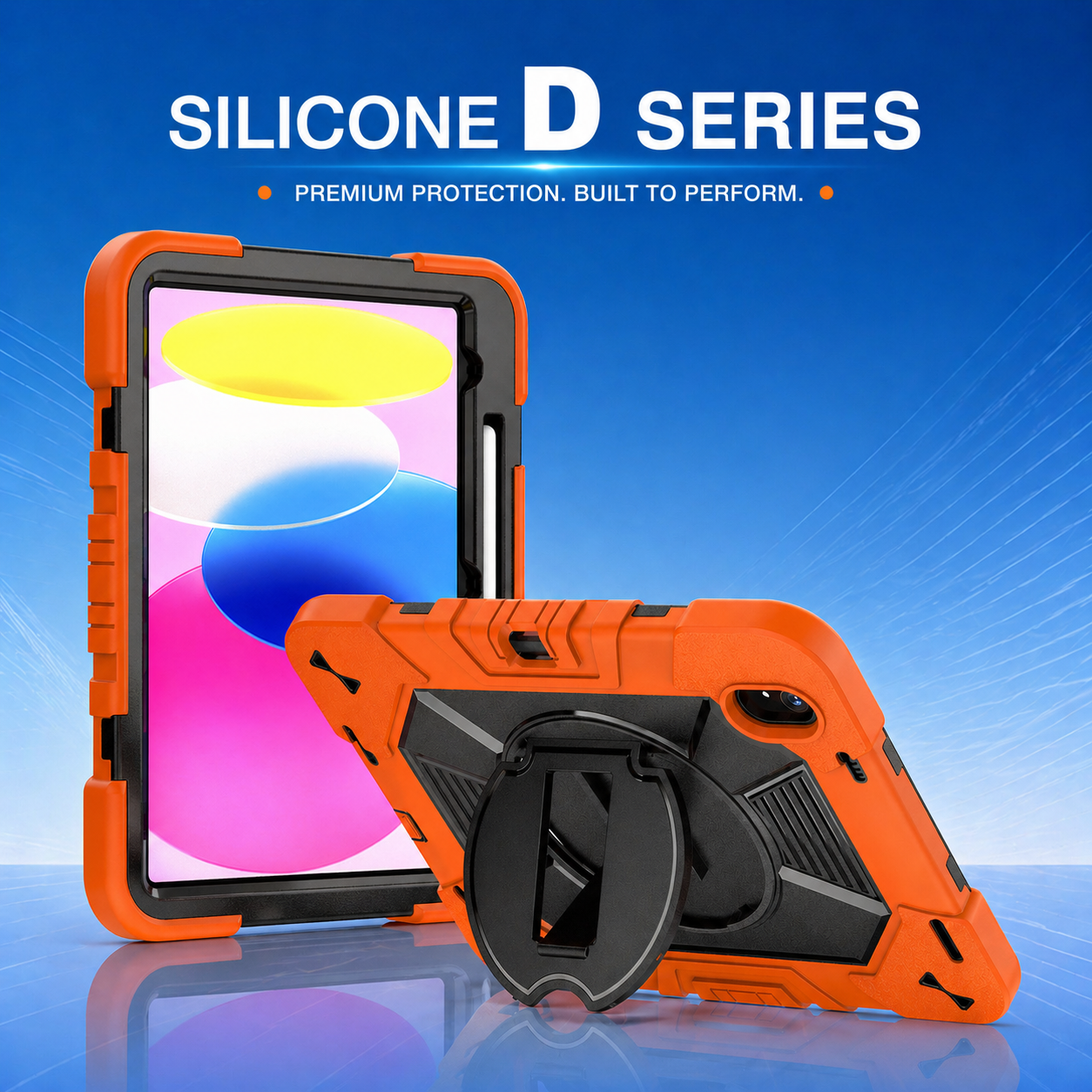

How Drop-Test Certification Defines a Reliable Shockproof Tablet Case
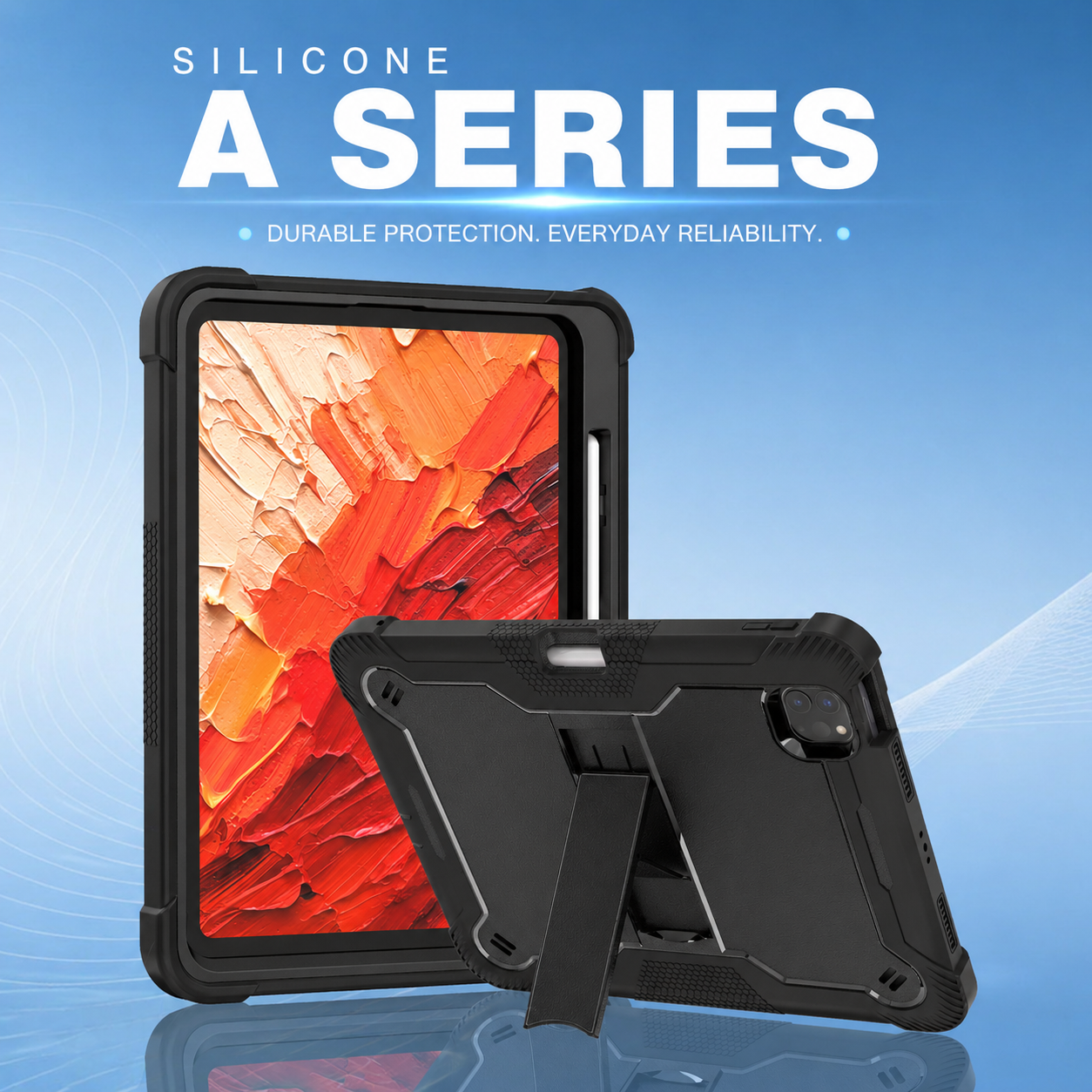
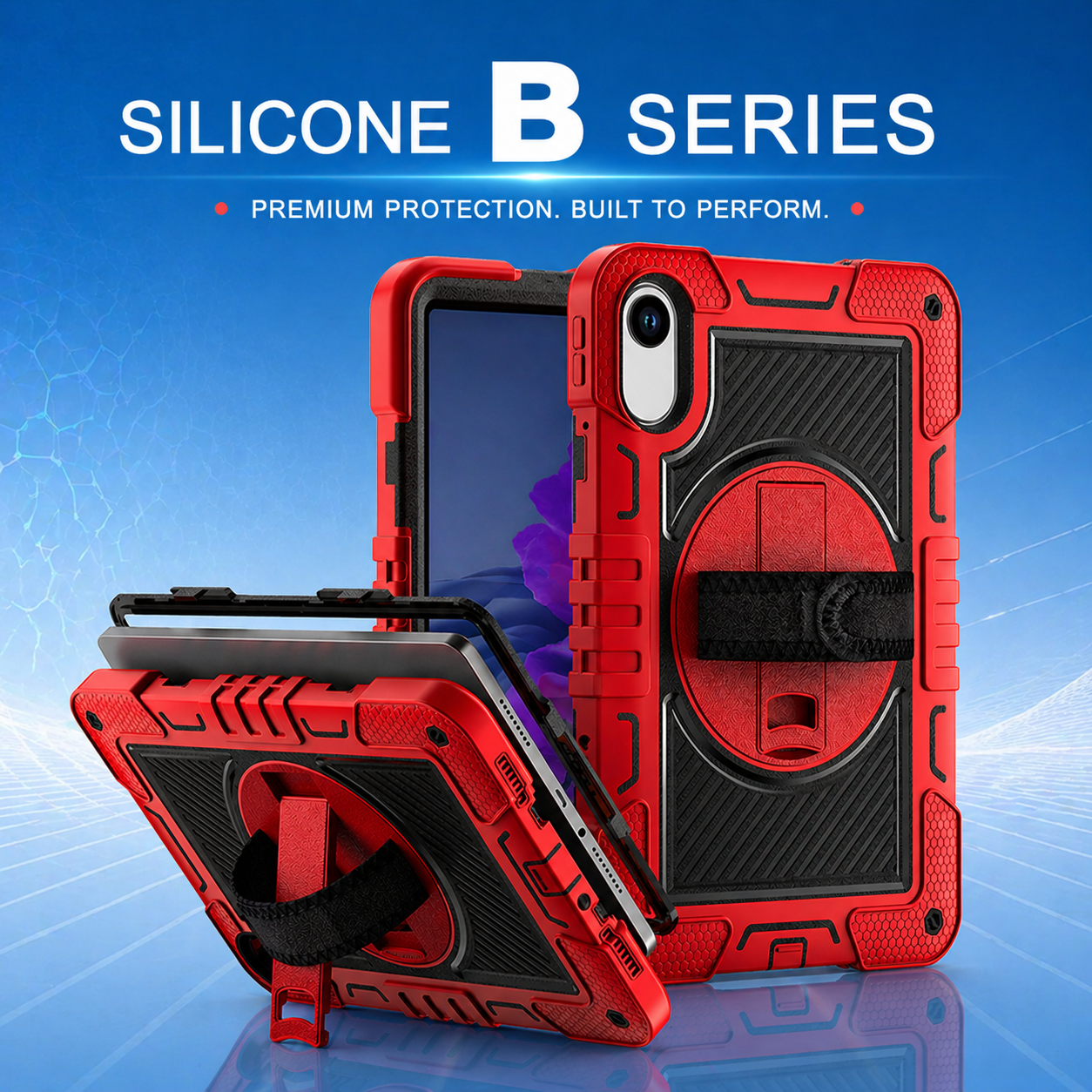
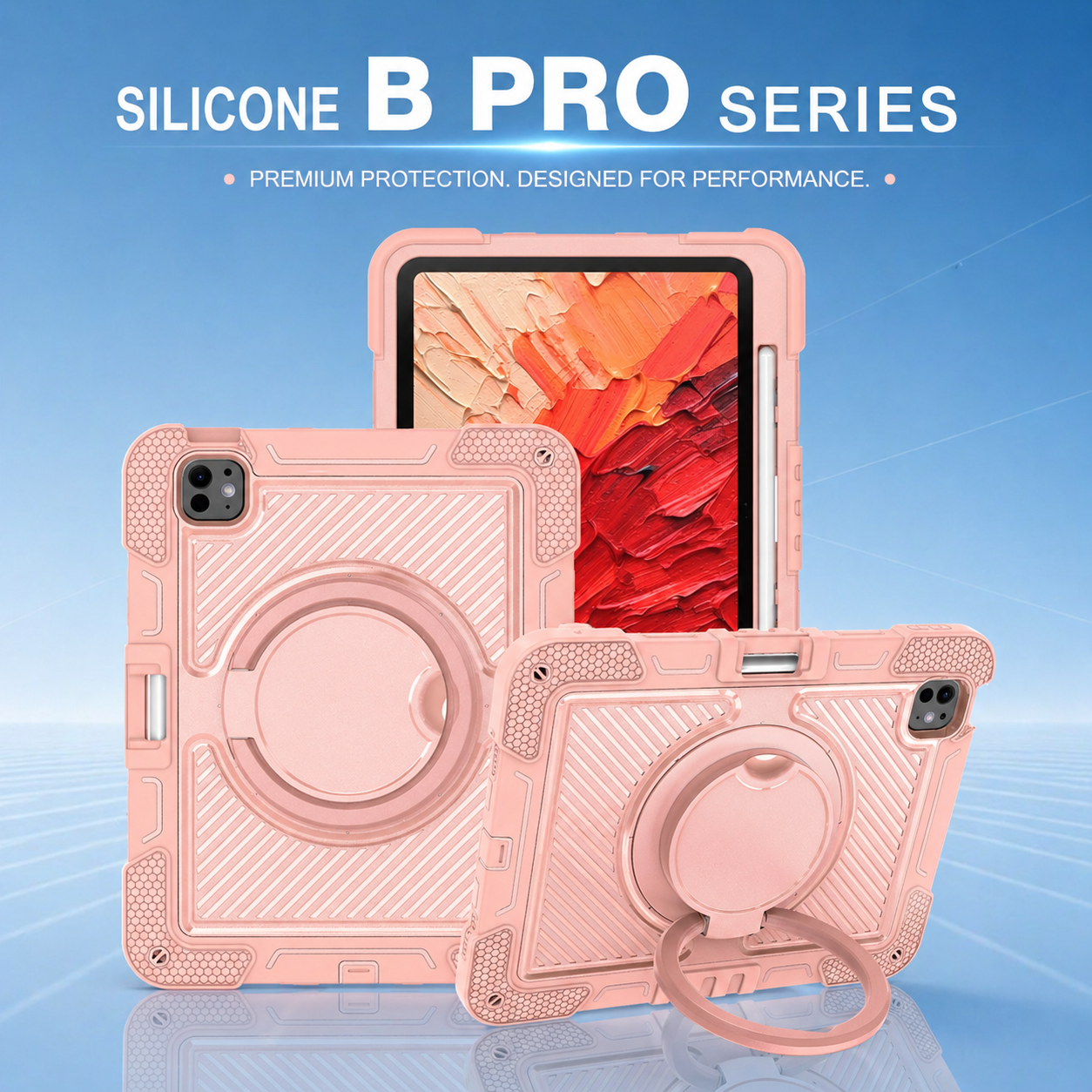
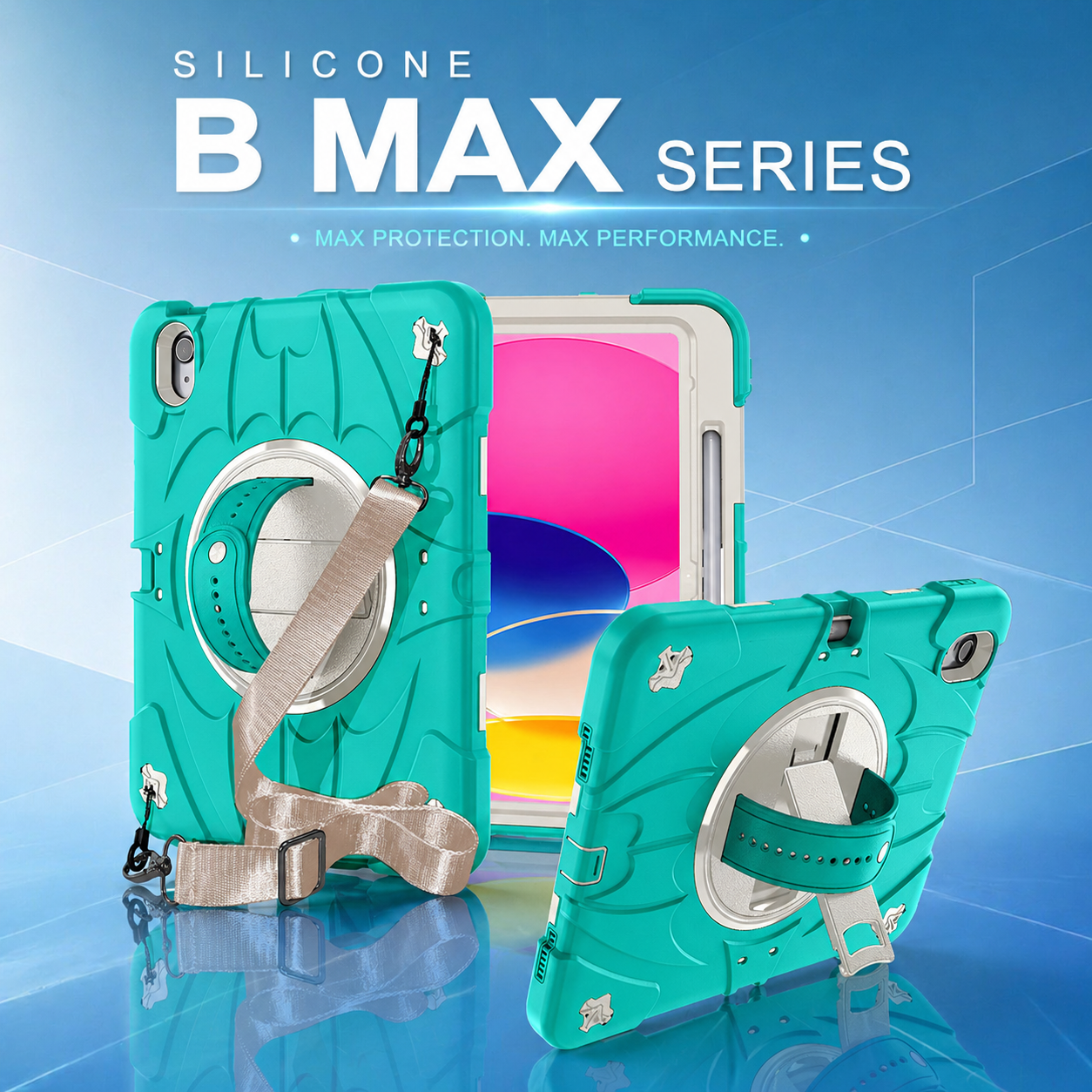
In a market flooded with tablet cases of all shapes and claims, how can consumers and businesses ensure that a shockproof tablet case actually offers superior protection? The answer lies in drop-test certification—a critical process that separates genuinely protective designs from marketing fluff.
This article explores the importance of drop-test certifications and how they shape the development and credibility of shockproof tablet cases.
What is Drop-Test Certification?
Drop-test certification refers to standardized testing protocols that assess a product’s ability to withstand physical impact. For shockproof tablet cases, the gold standard is the MIL-STD-810G test, originally developed by the U.S. military.
Key testing parameters:
Drop height: Typically 1.2 to 1.8 meters
Surfaces: Multiple angles and edges tested on hard surfaces
Cycles: Minimum of 26 drops from various orientations
Passing this test confirms that a shockproof tablet case can reliably protect a device in real-world drops.
Engineering Behind Drop-Test-Ready Tablet Cases
Achieving drop-test compliance requires thoughtful engineering and precision manufacturing:
Multi-Layer Construction
A typical rugged case includes a soft TPU inner layer, a rigid PC outer shell, and reinforced corners.
This configuration absorbs and redistributes impact forces.
Elevated Edges and Button Shields
Edges raised above the screen and camera help avoid direct impact.
Covered but responsive buttons protect internal components.
Internal Air Pockets
These are strategically placed in the corners or along the frame to act as shock absorbers.
Secure Fit and Anti-Vibration Design
A snug case minimizes movement inside the shell during a drop, reducing the chance of internal damage.
All these features must work in harmony to produce a truly drop-test-certified shockproof tablet case.
Certification and Branding: A Competitive Edge
Certification isn't just for protection—it's also a powerful branding asset.
Retailers can advertise tested claims to differentiate products.
Educational and government buyers often require proof of durability for procurement.
Private label brands benefit from associating with certified OEM products.
Being able to label a product as “MIL-STD-810G Certified” or “Drop-Test Approved” significantly boosts its marketability.
Manufacturing Considerations for Certified Cases
Working with experienced OEMs or ODMs is crucial for drop-test readiness. Top manufacturers provide:
In-house drop-test chambers
CAD-simulated stress tests during design
Ongoing batch testing to ensure consistency
Compliance documentation for enterprise buyers
These practices ensure that every shockproof tablet case shipped performs as promised.
Real Benefits in Real Scenarios
Warehouse workers using tablets with drop-certified cases experience fewer replacements and damages.
Students using devices with rugged cases can be less cautious, reducing accidental damage in classrooms.
Delivery personnel rely on durable cases in rain, snow, or when working outdoors.
SEO Keywords:
shockproof tablet case, drop test certified case, rugged tablet case, protective tablet case, tablet cover, tablet shell, MIL-STD-810G case, OEM tablet case, TPU tablet case, injection molding tablet case






.png)
+86 13422271740
.png)
info@tongmeitech.com
.png)
No. 34, Mashe Section, Guihe Road, Lishui Town, Foshan, Guangdong, China